
Loading, please wait...
LOT 1525
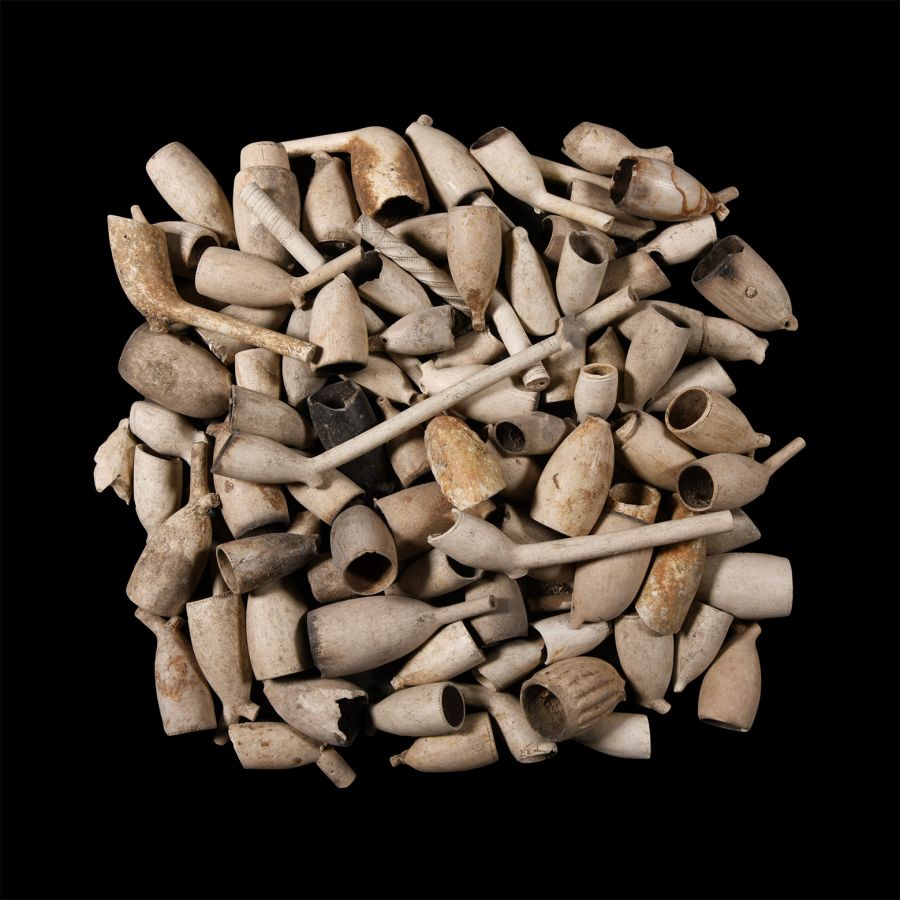
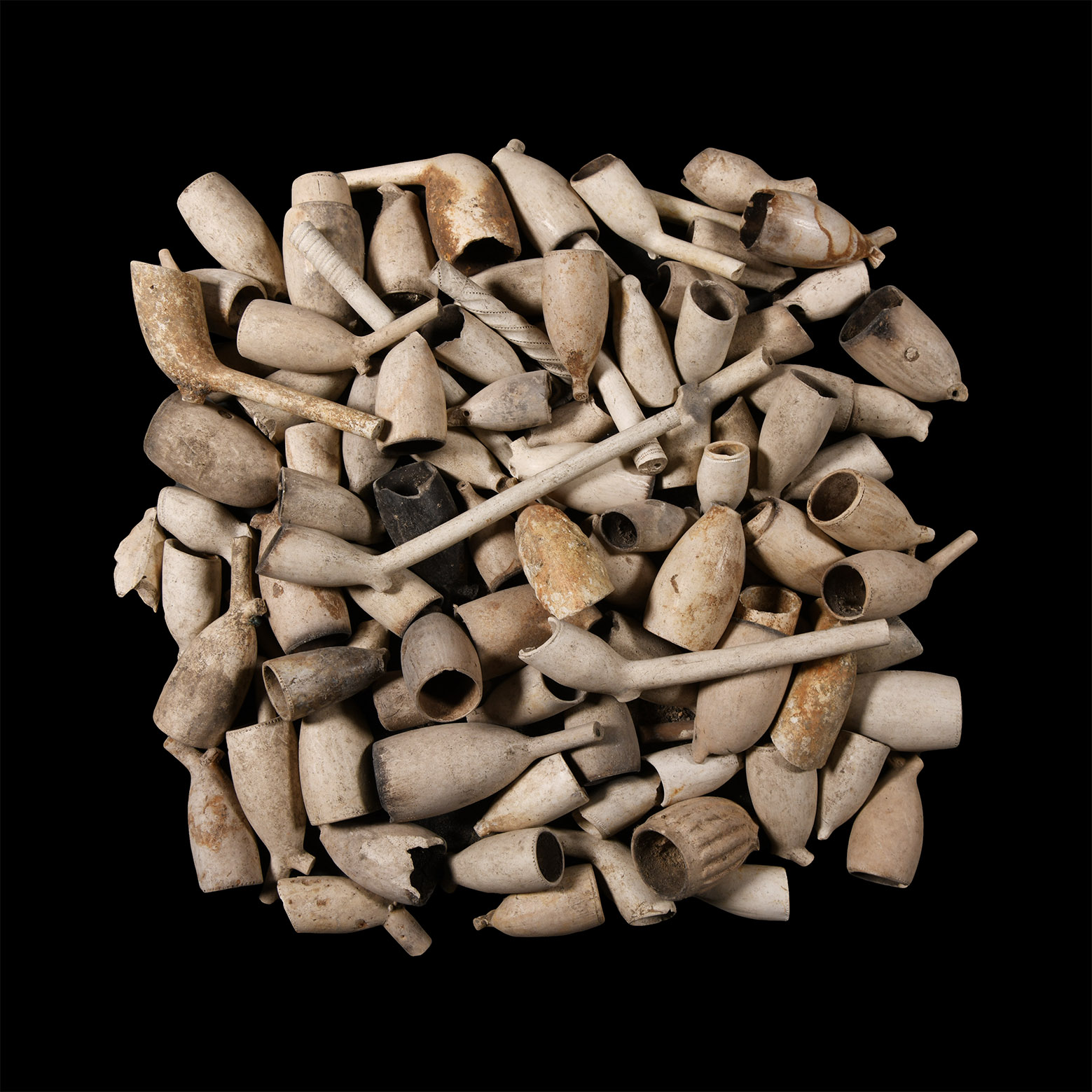
Post Medieval Clay Pipe Bowl Group Including Armorials
CIRCA 18TH CENTURY A.D.
1 3/8 - 5 7/8 in. (1.18 kg total, 3.6-15 cm).
Together with decorative designs, comprising bowls of various shapes and dates; together with a number of stems, some decorative. [90, No Reserve]
ProvenanceAcquired 1990s-early 2000s.
East Anglian private collection.
TimeLine Auctions follows a vetting process to ensure the authenticity and legality of all items, reinforcing our commitment to integrity and responsible trading. Each antiquity, antique, and coin lot undergoes thorough examination by a vetting committee of at least ten external specialists, professional trade association members, scientists, and archaeologists: Our Vetting Process
AUCTIONS:
TimeLine is a leading auction house specialising in antiquities, ancient art, collectables, natural history, coins, medals, and books. Our auctions offer museums, collectors, historians, and enthusiasts the opportunity to acquire unique and historically significant pieces.
-
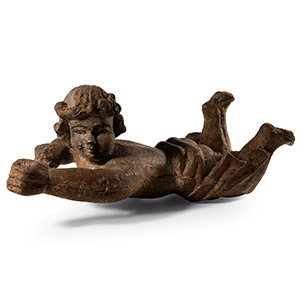
Baroque Moulded Putto
Circa 18th century A.D.Sold for (Inc. bp): £247
Modelled from wood pulp as a chubby boy in an active pose with rounded facial features, nude except for a folded cloth wrapped around his waist. 2.8 kg, 50.5 cm long
Property of a North Yorkshire, UK, private collector. -
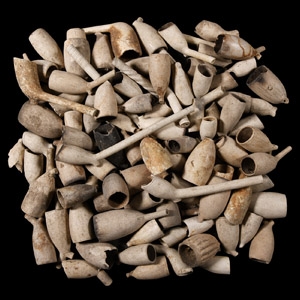
Post Medieval Clay Pipe Bowl Group Including Armorials
Circa 18th century A.D.Sold for (Inc. bp): £52
Together with decorative designs, comprising bowls of various shapes and dates; together with a number of stems, some decorative. 1.18 kg total, 3.6-15 cm
Acquired 1990s-early 2000s. East Anglian private collection. -
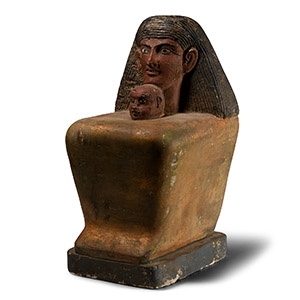
Large Egyptian Revival Painted Stone Statue
20th century A.D.Sold for (Inc. bp): £124
A substantial decorative designer figurine of a crouching figure in plain robe wearing a tripartite wig, with an infant on her lap; rectangular base; after the antique. 24.8 kg, 40 cm
From a French collection, Paris. Ex Parisian gallery, France; latterly with a London, UK, gallery.
