
Loading, please wait...
LOT 2081
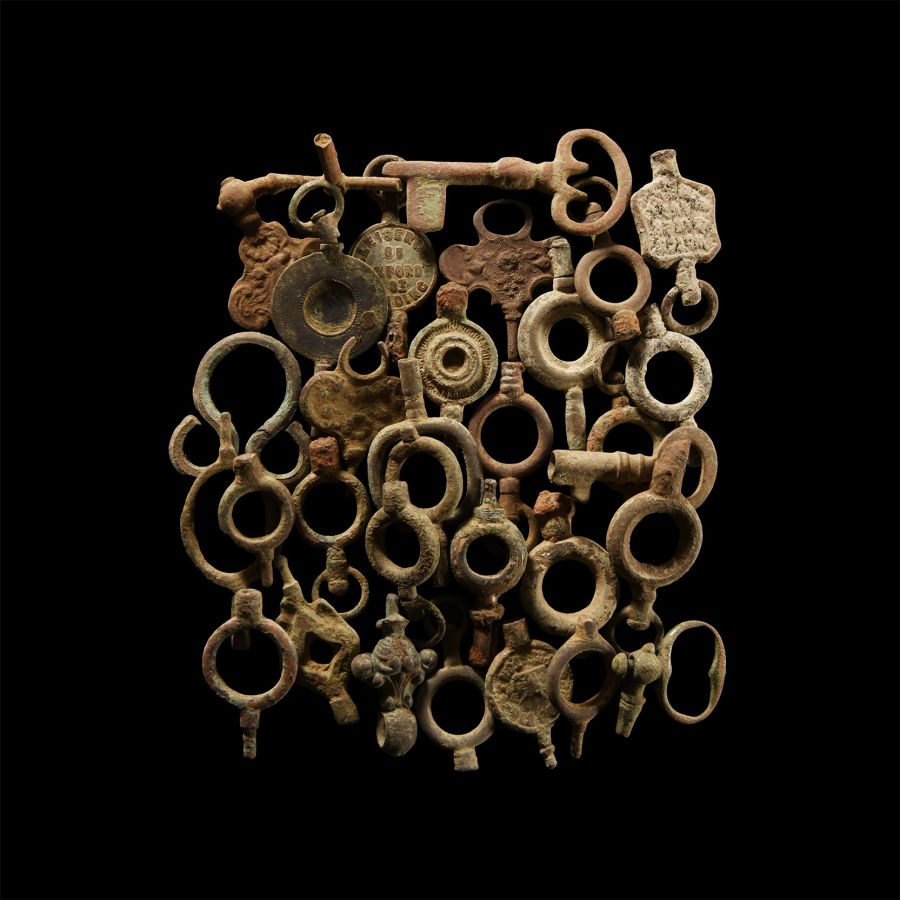
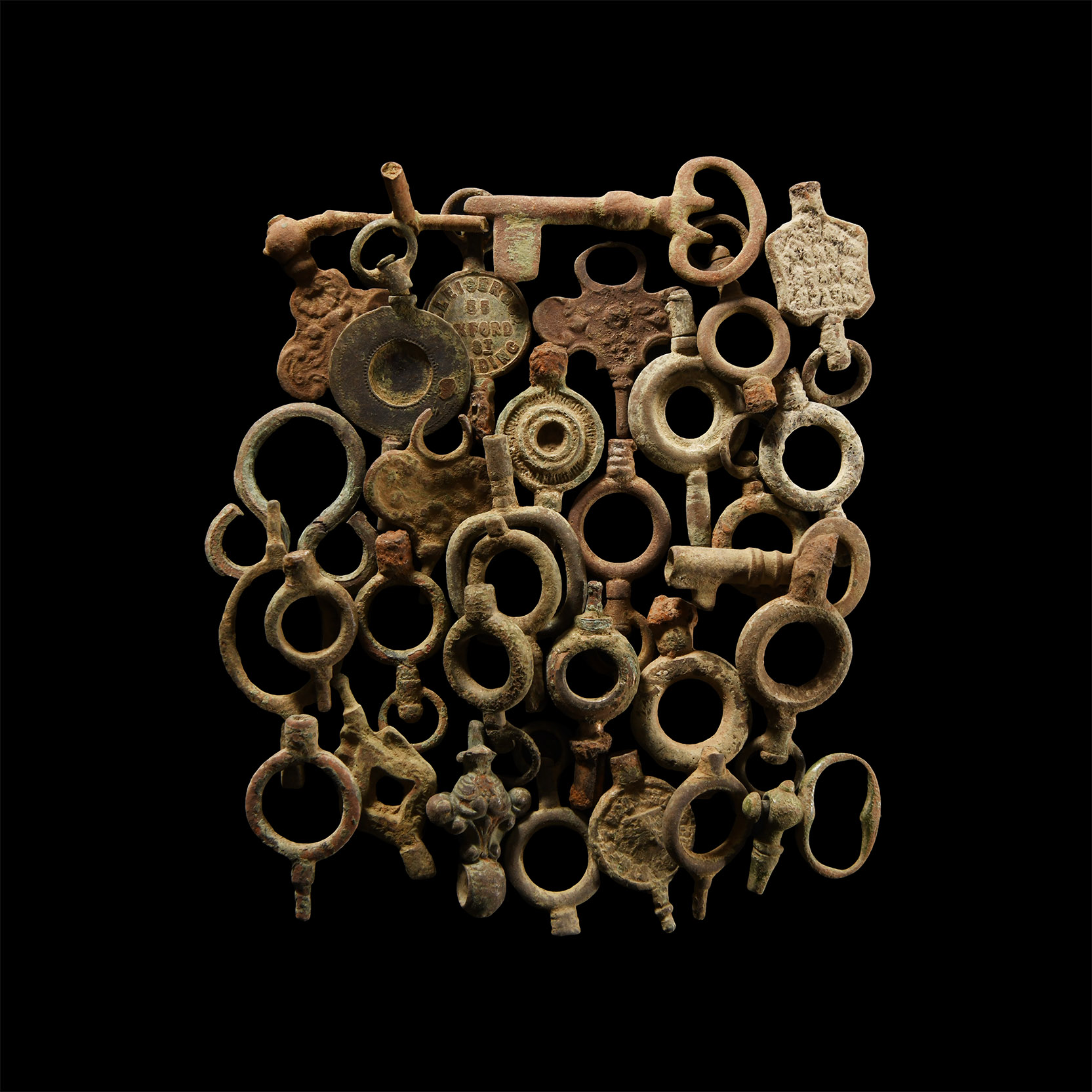
Post Medieval Bronze Watch Key Group
CIRCA 18TH-19TH CENTURY A.D.
3/4 - 1 3/8 in. (70.2 grams total, 20-35 mm).
Comprising watch keys of various types, including examples with trace remains of gilding and lettering. [31, No Reserve]
ProvenanceFound Berkshire, UK.
CONDITIONTimeLine Auctions follows a vetting process to ensure the authenticity and legality of all items, reinforcing our commitment to integrity and responsible trading. Each antiquity, antique, and coin lot undergoes thorough examination by a vetting committee of at least ten external specialists, professional trade association members, scientists, and archaeologists: Our Vetting Process
AUCTIONS:
TimeLine is a leading auction house specialising in antiquities, ancient art, collectables, natural history, coins, medals, and books. Our auctions offer museums, collectors, historians, and enthusiasts the opportunity to acquire unique and historically significant pieces.
-
.jpg)
Framed Watercolour Painting
India, 20th century A.D.Estimate: £80 - 100 (+bp*)
Opening Bid: £40
Showing two figures standing in a courtyard, the woman with her head covered, pointing towards the hills beyond, gold-coloured embellishments to their clothes, border around the whole, Indian workmanship; set in a glazed wooden frame. 370 grams, 25.5 x 19.5 cm
Very fine condition.
Acquired on the UK art market, 1980s-1990s. The Woodbridge collection of Indo-Persian art. -
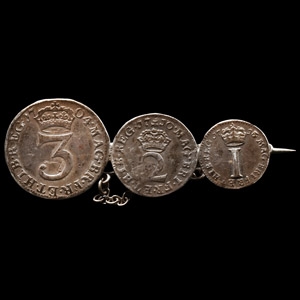
Silver Pin Brooch with Coins
19th century A.D.Sold for (Inc. bp): £39
Group of three silver coins of Queen Anne mounted reverse-outwards on a silver hinged pin: threepence dated 1704; twopence dated 1710; penny dated 1703; with safety chain and securing pin. 4.94 grams, 49 mm
Acquired 1960s-1990s. Late Alison Barker collection, a retired London barrister. Accompanied by an old dealer's ticket. -
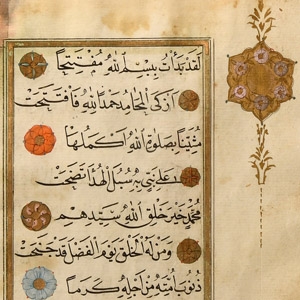
Framed Ottoman Qur'an Page
Circa 1800 A.D.Estimate: £80 - 100 (+bp*)
Opening Bid: £40
Adorned with stylised flower heads in polychrome and gold leaf, framed by a gold leaf border; mounted in a reveal and a glazed wooden frame. 412 grams, 24.5 x 20.4 cm
Fine condition.
Acquired on the UK art market, 1980s-1990s. The Woodbridge collection of Indo-Persian art.
