
Loading, please wait...
LOT 1983
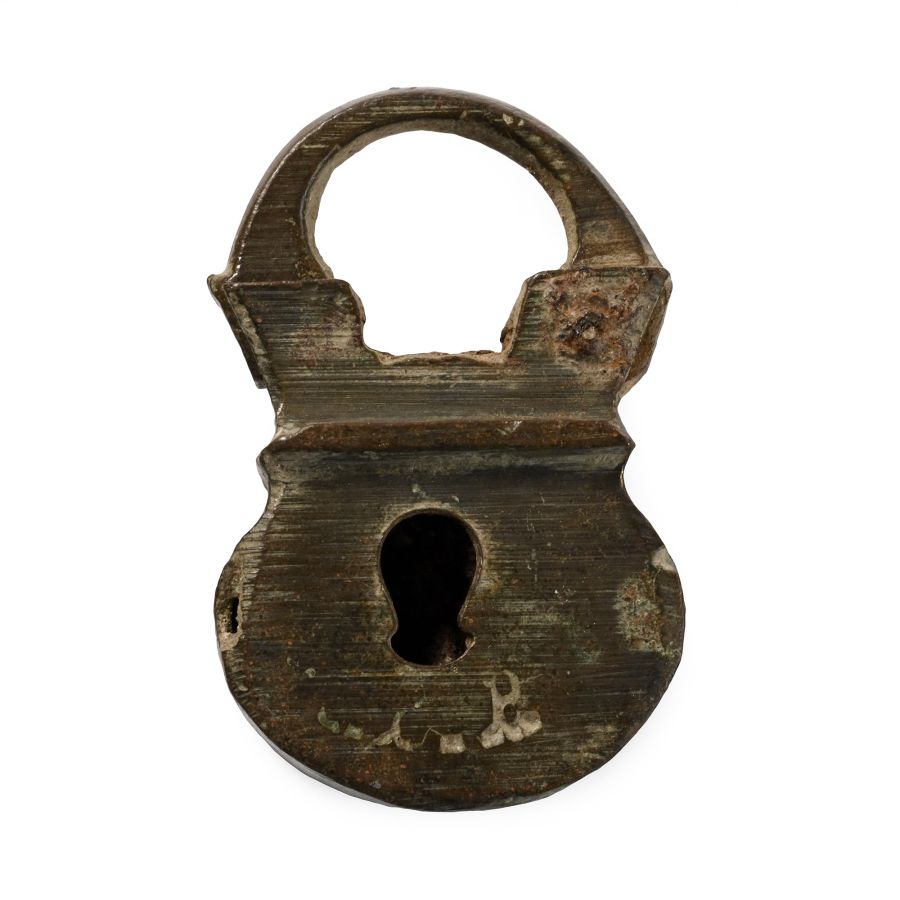
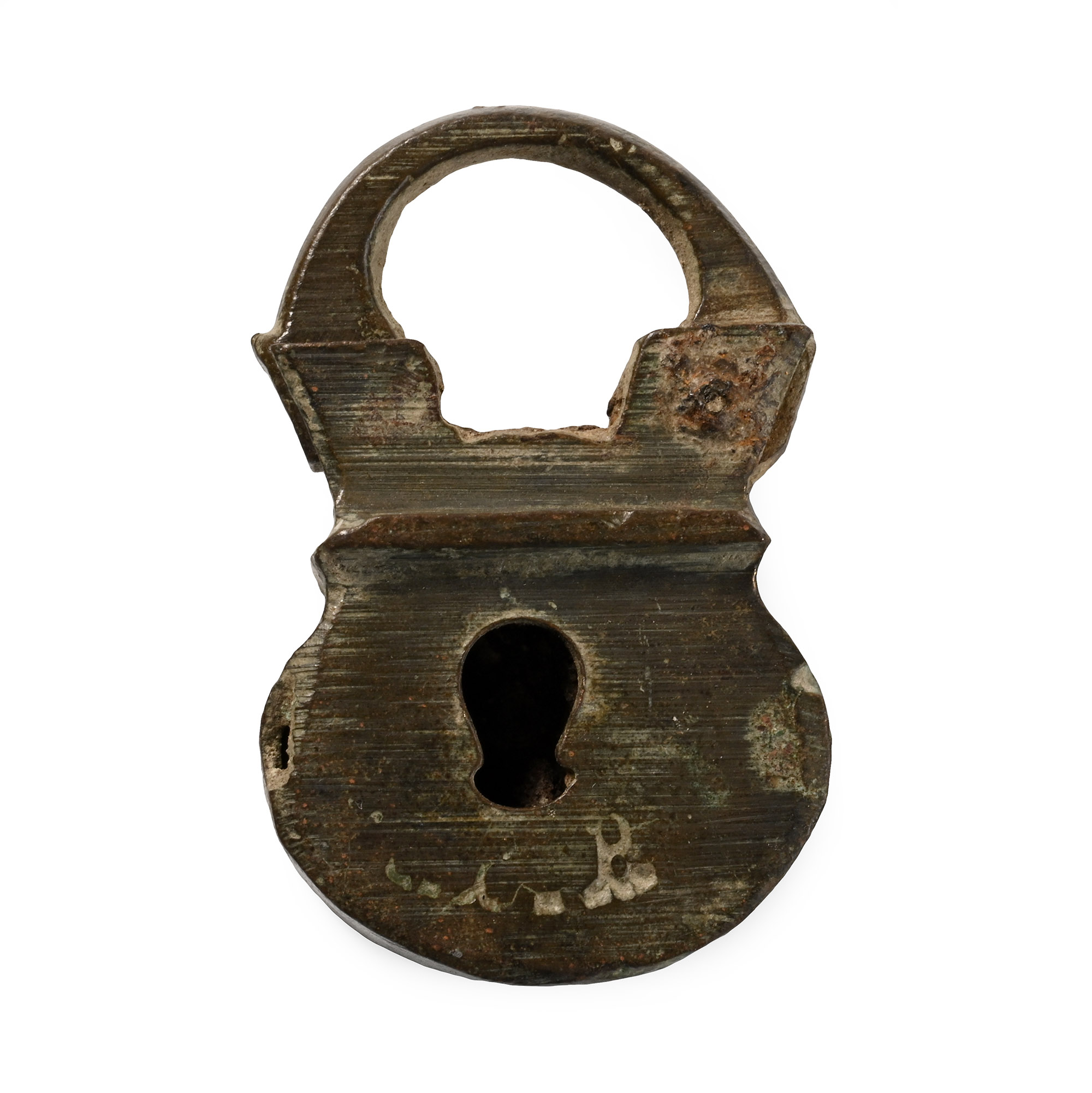
Post Medieval Bronze Padlock
16TH-17TH CENTURY A.D.
1 3/8 in. (16.92 grams, 34 mm).
Tudor period with C-shaped locking arm, keyhole with ledge above. [No Reserve]
ProvenanceEx German art market, 2000s.
Acquired from an EU collector living in London.
From the collection of a Surrey, UK, gentleman.
TimeLine Auctions follows a vetting process to ensure the authenticity and legality of all items, reinforcing our commitment to integrity and responsible trading. Each antiquity, antique, and coin lot undergoes thorough examination by a vetting committee of at least ten external specialists, professional trade association members, scientists, and archaeologists: Our Vetting Process
AUCTIONS:
TimeLine is a leading auction house specialising in antiquities, ancient art, collectables, natural history, coins, medals, and books. Our auctions offer museums, collectors, historians, and enthusiasts the opportunity to acquire unique and historically significant pieces.
-
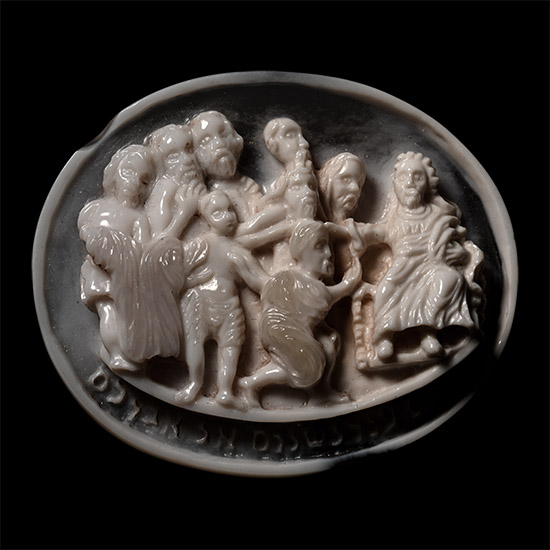
Post Medieval Agate Cameo with Scene from the Old Testament
19th-20th century A.D.Sold for (Inc. bp): £650
Ellipsoid panel with thick outer rim, the inner panel with scene carved in high-relief depicting a bearded figure enthroned extending one hand towards a group of eight attendants, one holding up an empty garment; Hebrew legend beneath. 50 grams, 66 mm
French art market, 2023. Private collection, England. -
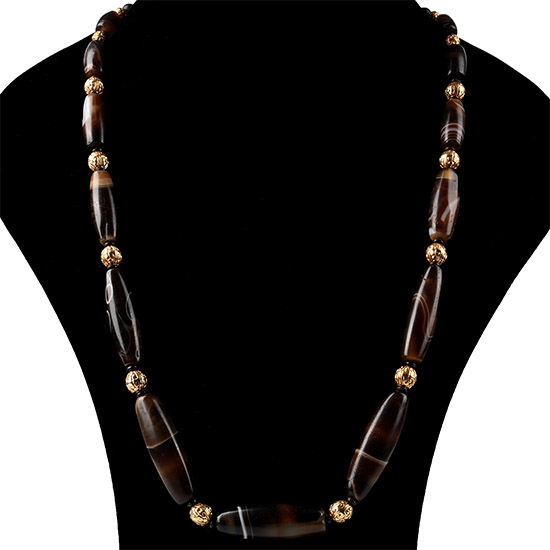
Tibetan Banded Agate and Gilt Prayer Bead Necklace
20th century A.D.Sold for (Inc. bp): £33
Graduated fusiform banded agate beads with gilt metal spacer beads. 175 grams, 76 cm
Private collection, UK. -
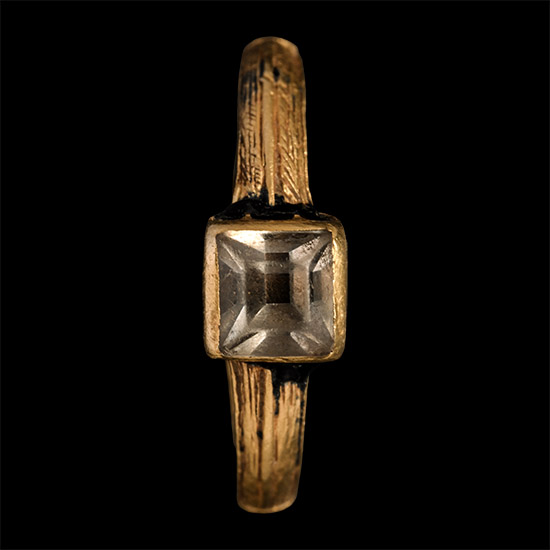
Post Medieval Enamelled Gold Ring with Table-Cut Rock Crystal Gemstone
Netherlands, 17th century A.D.Sold for (Inc. bp): £1,560
D-section hoop with carinated profile, ribbing to the shoulders, square bezel with arcade detailing to the base, and inset table-cut crystal. 3.10 grams, 23.84 mm overall, 17.41 mm internal diameter (approximate size British N 1/2, USA 6 3/4, Europe 14.35, Japan 13)
By repute from Maastricht, Netherlands. Acquired on the European art market.
