
Loading, please wait...
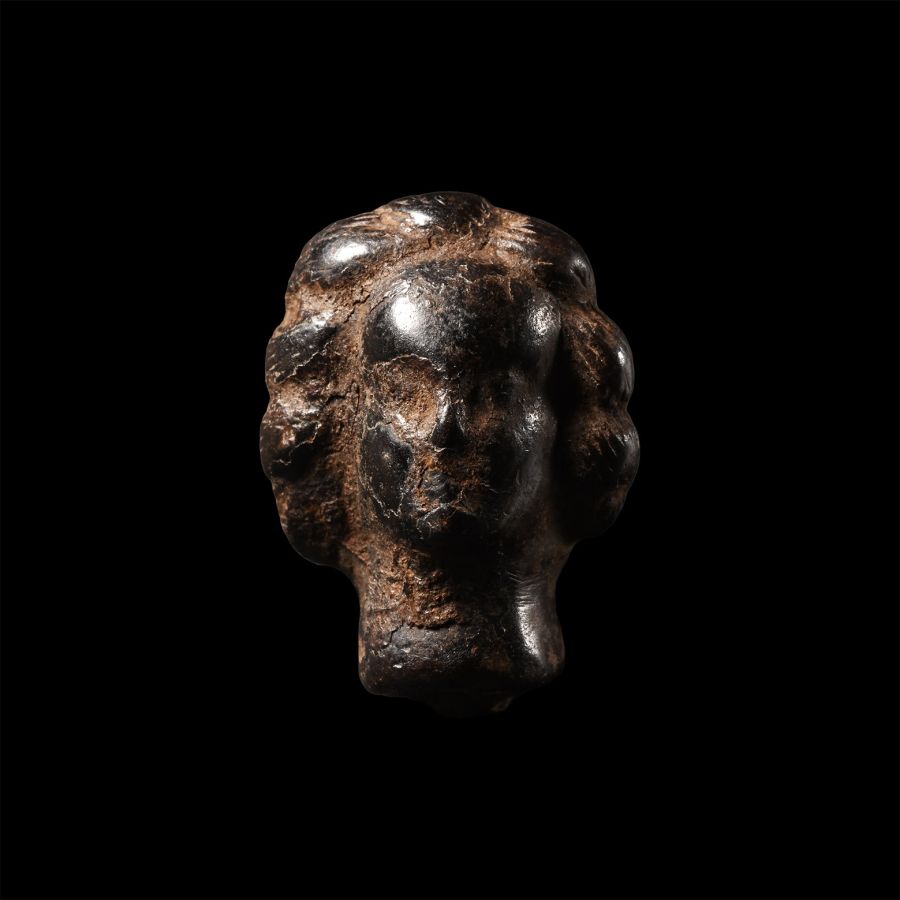
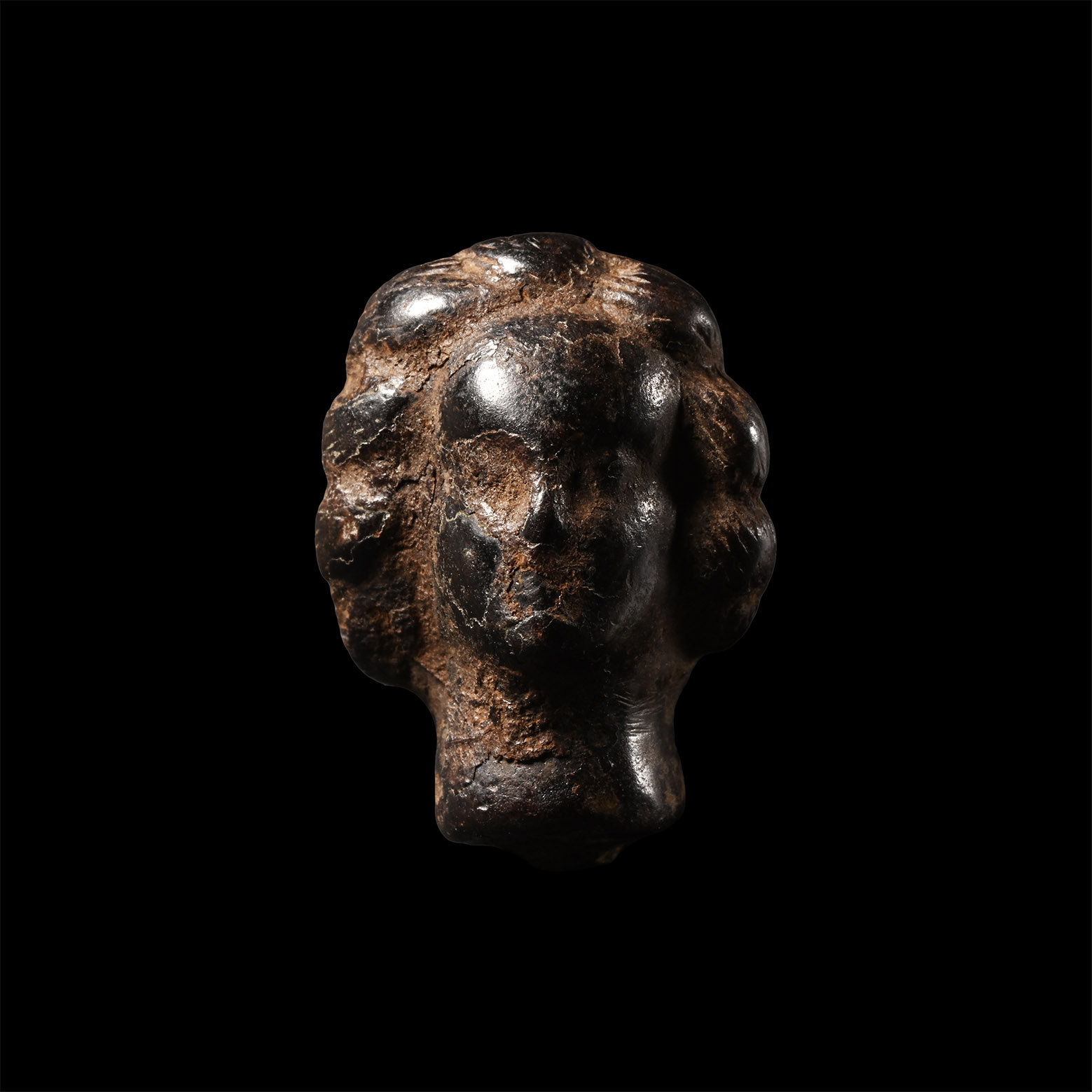
LOT 1880
Post Medieval Bronze Knife Handle in the Form of a Bust
17TH-19TH CENTURY A.D.
1 in. (21.8 grams, 25 mm).
A pommel modelled in the round, the head of a youth, with the remains of the fixing lug to the neck. [No Reserve]
ProvenanceFound Somerset, UK.
CONDITIONTimeLine Auctions follows a vetting process to ensure the authenticity and legality of all items, reinforcing our commitment to integrity and responsible trading. Each antiquity, antique, and coin lot undergoes thorough examination by a vetting committee of at least ten external specialists, professional trade association members, scientists, and archaeologists: Our Vetting Process
AUCTIONS:
TimeLine is a leading auction house specialising in antiquities, ancient art, collectables, natural history, coins, medals, and books. Our auctions offer museums, collectors, historians, and enthusiasts the opportunity to acquire unique and historically significant pieces.
-
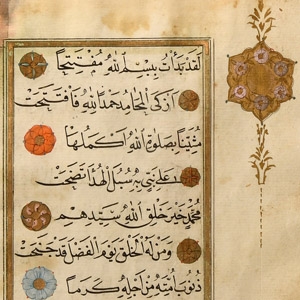
Framed Ottoman Qur'an Page
Circa 1800 A.D.Estimate: £80 - 100 (+bp*)
Opening Bid: £40
Adorned with stylised flower heads in polychrome and gold leaf, framed by a gold leaf border; mounted in a reveal and a glazed wooden frame. 412 grams, 24.5 x 20.4 cm
Fine condition.
Acquired on the UK art market, 1980s-1990s. The Woodbridge collection of Indo-Persian art. -
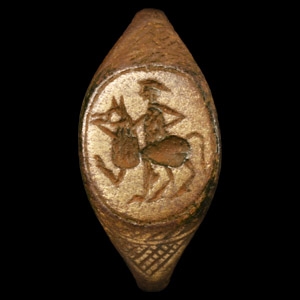
Tudor Period Bronze Ring with Horse and Rider
Circa 16th century A.D.Sold for (Inc. bp): £104
With hatched panels to the shoulders, plaque with intaglio rider on advancing horse. 7.85 grams, 25.07 mm overall, 20.78 mm internal diameter (approximate size British T, USA 9 1/2, Europe 21.26, Japan 20)
Acquired 1970s. From the private collection of a Northern Ireland gentleman. Ex private Merseyside, UK, collection. -
.jpg)
Large Silver Calligraphic Inlaid Bird
20th century A.D.Sold for (Inc. bp): £598
Formed in the round standing with wings folded, stylised anatomical and feather detailing, silver inlaid flowering vines, guilloche, 'net' and other elaborate detailing, calligraphic roundel to breast and neck; tear-shaped void to head with hinge for a lid. 1.6 kg, 33.5 cm high
London collection since the 1980s. Property of a Canadian family.
