
Loading, please wait...
LOT 2066
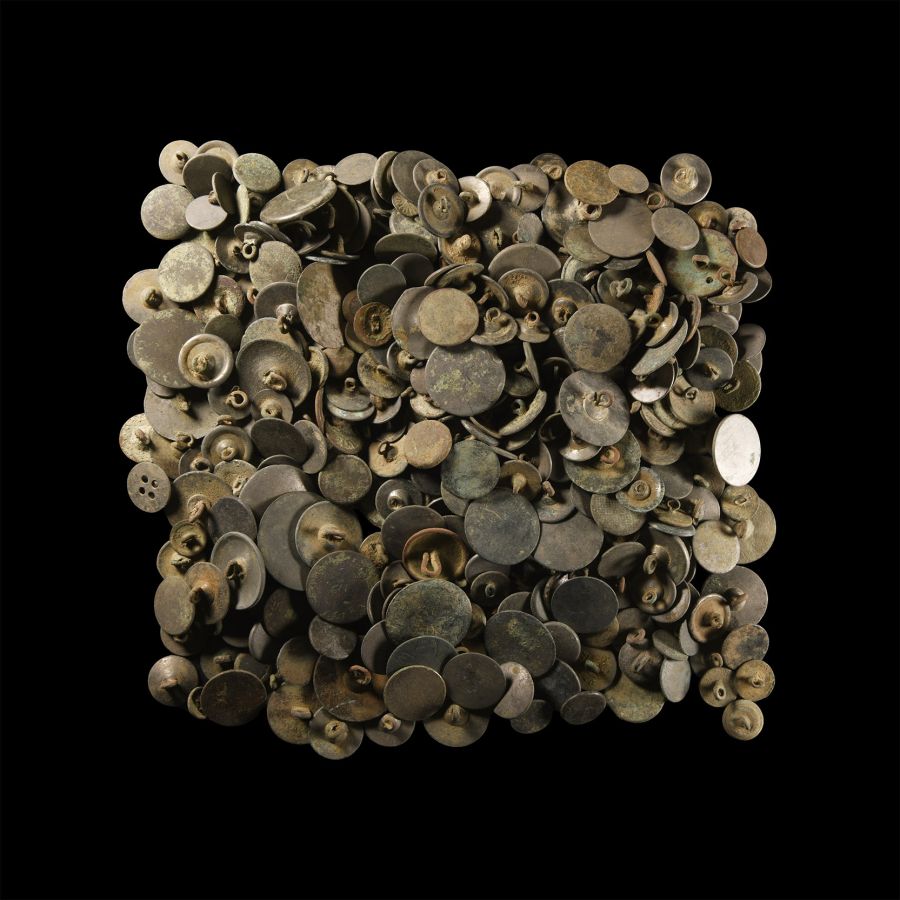
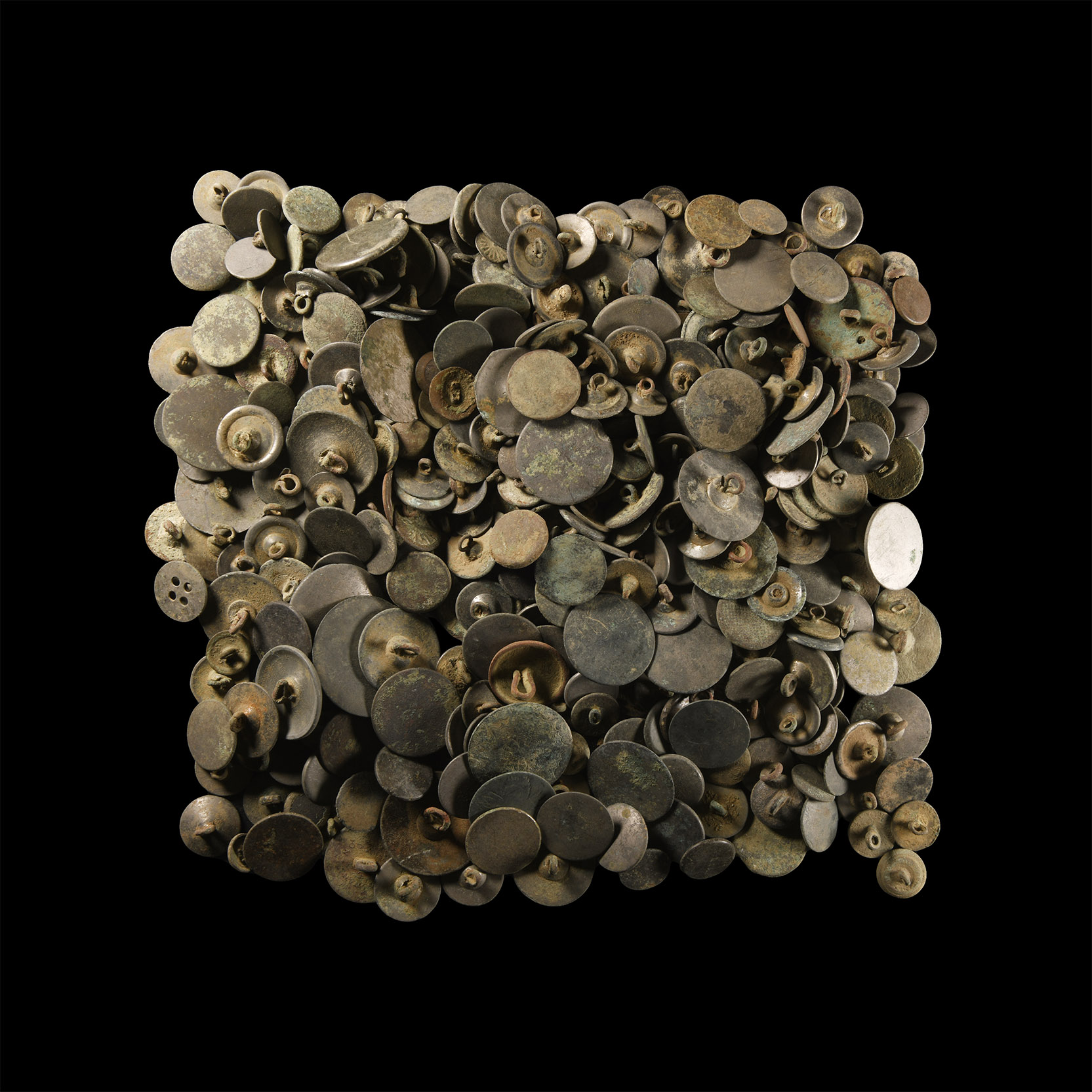
Post Medieval Bronze Button Group
18TH-20TH CENTURY A.D.
3/8 - 1 3/8 in. (1.1 kg total, 11-34 mm).
Comprising buttons of various sizes and dates, many retaining their attachment loops and including examples displaying decorative ornament and remains of gilding. [210+, No Reserve]
ProvenanceFound Berkshire, UK.
CONDITIONTimeLine Auctions follows a vetting process to ensure the authenticity and legality of all items, reinforcing our commitment to integrity and responsible trading. Each antiquity, antique, and coin lot undergoes thorough examination by a vetting committee of at least ten external specialists, professional trade association members, scientists, and archaeologists: Our Vetting Process
AUCTIONS:
TimeLine is a leading auction house specialising in antiquities, ancient art, collectables, natural history, coins, medals, and books. Our auctions offer museums, collectors, historians, and enthusiasts the opportunity to acquire unique and historically significant pieces.
-
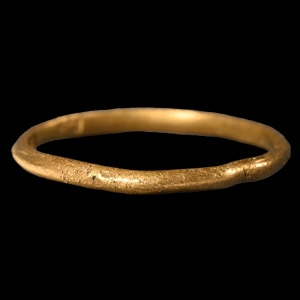
Post Medieval Gold Betrothal Ring
18th century A.D.Sold for (Inc. bp): £85
The slender hoop with convex outer face, the interior hallmarked with a lion and blank cartouche; hoop slightly misshapen. 1.75 grams, 20.74 mm overall, 18.28 mm internal diameter (approximate size British P, USA 7 1/2, Europe 16.23, Japan 15)
Acquired in the early 1990s. Property of a Berkshire, UK, gentleman. -
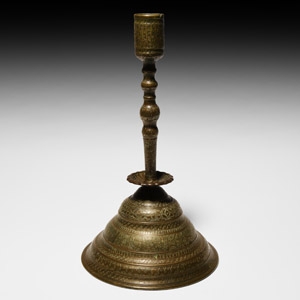
Brass Candlestick with Calligraphy
19th century A.D.Estimate: £150 - 200 (+bp*)
Opening Bid: £83
With panels of dense calligraphic script and geometric motifs, tiered ogival base and floral drip tray. 1.5 kg, 34.8 cm high
Fine condition.
Acquired on the UK art market, 2000s. Property of a Suffolk gentleman. -
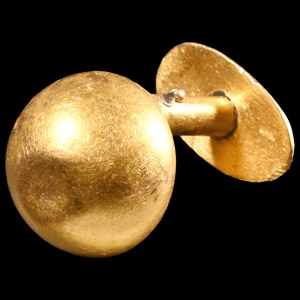
Stuart Period Gold Dress Fastener
1600-1700 A.D.Sold for (Inc. bp): £156
Composed of a hollow domed head, round-section arm and oblong fastening plate; piercing to base of head and roughly D-shaped perforation to the sidewall. 1.98 grams, 15 mm
Found whilst searching with a metal detector in Hessay, Yorkshire, UK, in July 2012 by Mr David Brooks. Accompanied by a copy of the British Museum's Portable Antiquities Scheme (PAS) report no.YORYM-EB17F6. Declared and disclaimed as Treasure with reference no.2013 T21.
