
Loading, please wait...
_900x900.jpg "Post Medieval Blue Glass Bead Necklace String")
_200x200.jpg "Post Medieval Blue Glass Bead Necklace String")
.jpg "Post Medieval Blue Glass Bead Necklace String")
LOT 2444
Post Medieval Blue Glass Bead Necklace String
20TH CENTURY A.D.
14 3/8 in. (30 grams, 36.5 cm).
Composed of spherical, melon, and other beads, central feature a facetted biconical bead; restrung. [No Reserve]
ProvenanceFrom the London, UK, art market in the 1990s.
CONDITIONTimeLine Auctions follows a vetting process to ensure the authenticity and legality of all items, reinforcing our commitment to integrity and responsible trading. Each antiquity, antique, and coin lot undergoes thorough examination by a vetting committee of at least ten external specialists, professional trade association members, scientists, and archaeologists: Our Vetting Process
AUCTIONS:
TimeLine is a leading auction house specialising in antiquities, ancient art, collectables, natural history, coins, medals, and books. Our auctions offer museums, collectors, historians, and enthusiasts the opportunity to acquire unique and historically significant pieces.
-
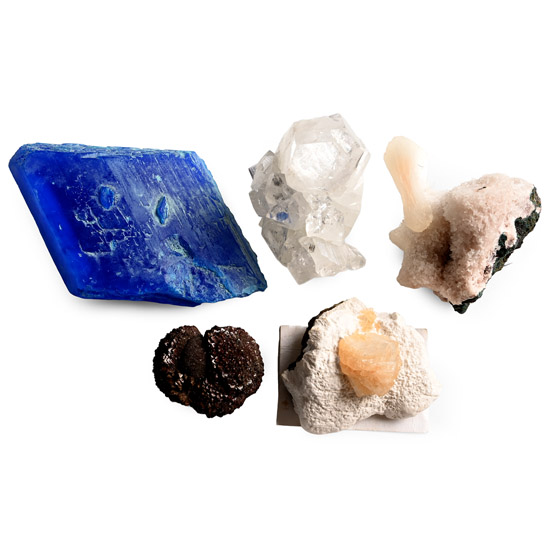
Mixed India and USA Crystal and Mineral Specimen Group
Sold for (Inc. bp): £20
Comprising: chalcanthite from Planet Mine, La Paz County, Arizona, USA; apophylite from Pune, Maharashtra, India; stilbite from Jalgaon District, Nashik Division, Maharashtra, India; pyrite from Ottawa, Franklin County, Kansas, USA; heulandite from India. 355 grams total, 3.7-10.3 cm
From the property of a Cornwall, UK, gentleman. -
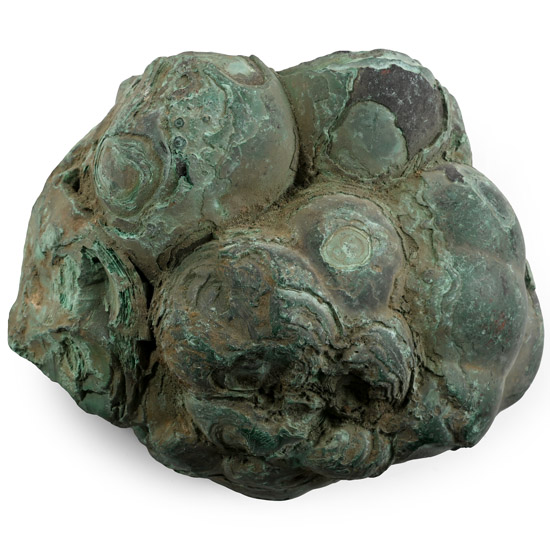
Large Natural Raw Malachite Specimen
Sold for (Inc. bp): £13
Botryoidal specimen showing characteristic banding. 1.75 kg, 13.1 cm
From the Democratic Republic of Congo, Central Africa. Ex Mineral Imports, London, UK. Gregory, Bottley & Lloyd (Gregory's), Harwich, UK. -
![Group of Twelve [12] Minerals and Crystals](https://timelineauctions.com/upload/images/items/small/256032-s.jpg)
Group of Twelve [12] Minerals and Crystals
Sold for (Inc. bp): £20
Mixed group of specimens including malachite, 'desert rose', quartz, rose quartz, amethyst, pyrite, agate, and others. 2.96 kg total, 3.4-20.2 cm
Ex Mineral Imports, London, UK. Gregory, Bottley & Lloyd (Gregory's), Harwich, UK.
