
Loading, please wait...
LOT 2096
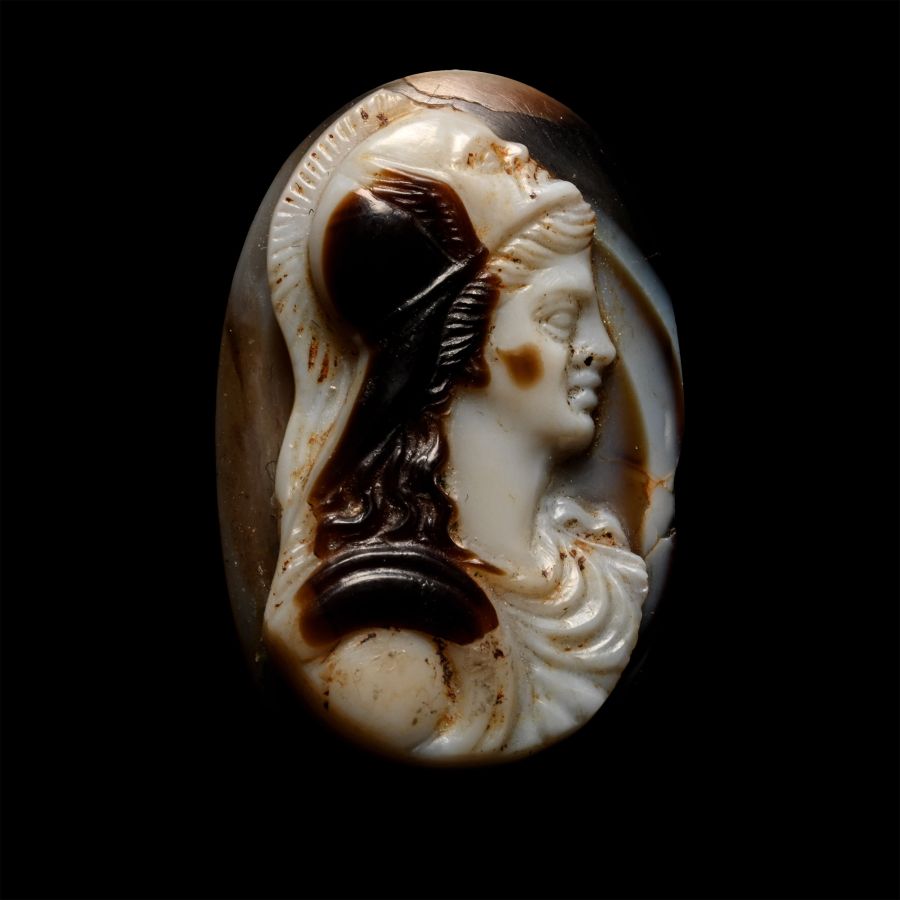
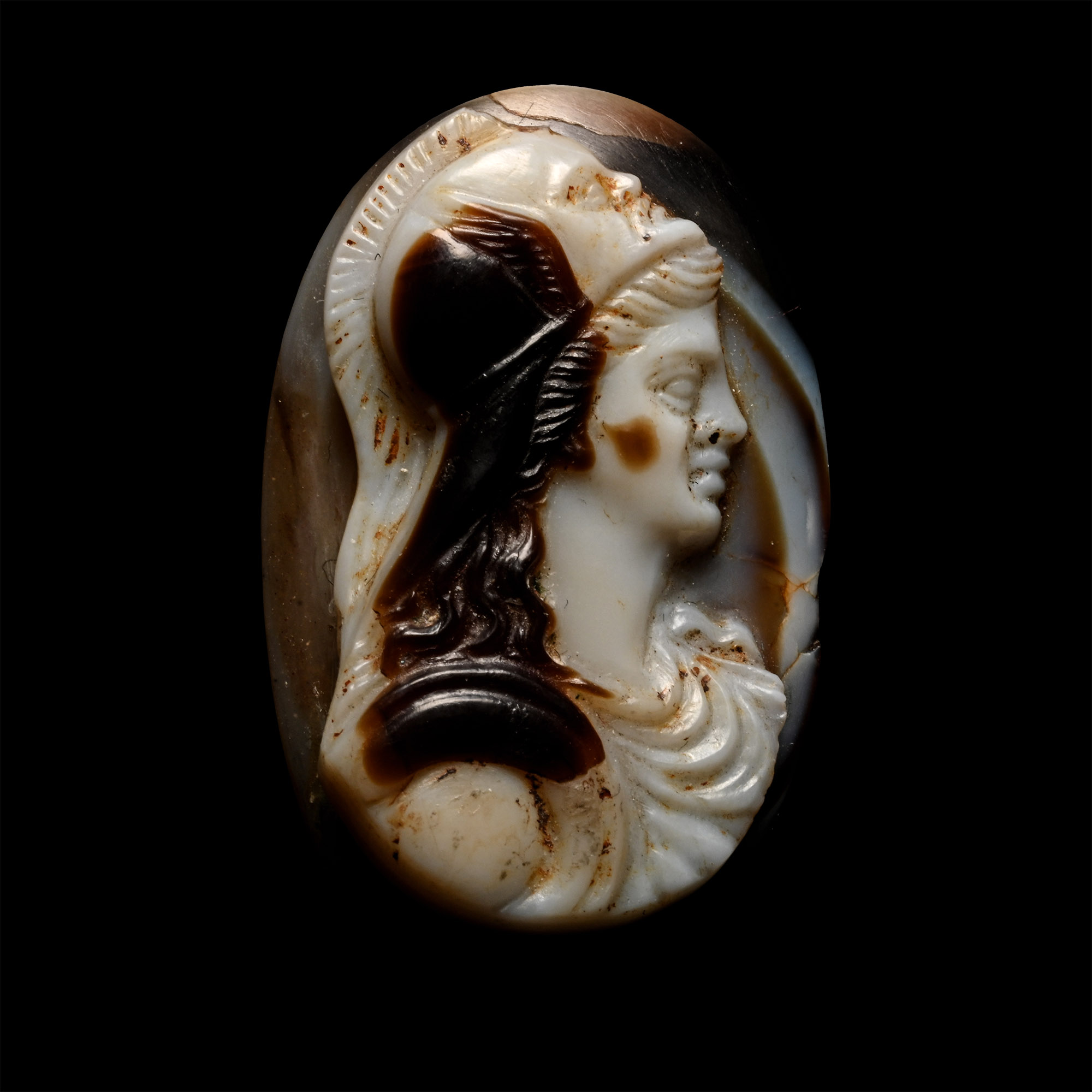
Post-Classical Sardonyx Cameo with Helmetted Bust of Athena
18TH-19TH CENTURY A.D.
1 3/8 in. (7.47 grams, 35 mm).
Ellipsoid in plan with a reserved bust wearing a crested helmet and cuirass.
ProvenancePrivate collection, England.
CONDITIONTimeLine Auctions follows a vetting process to ensure the authenticity and legality of all items, reinforcing our commitment to integrity and responsible trading. Each antiquity, antique, and coin lot undergoes thorough examination by a vetting committee of at least ten external specialists, professional trade association members, scientists, and archaeologists: Our Vetting Process
AUCTIONS:
TimeLine is a leading auction house specialising in antiquities, ancient art, collectables, natural history, coins, medals, and books. Our auctions offer museums, collectors, historians, and enthusiasts the opportunity to acquire unique and historically significant pieces.
LOT 2096
Post-Classical Sardonyx Cameo with Helmetted Bust of Athena
Estimate £500 - 700€580 - 810 (for guidance only)$680 - 950 (for guidance only)
-
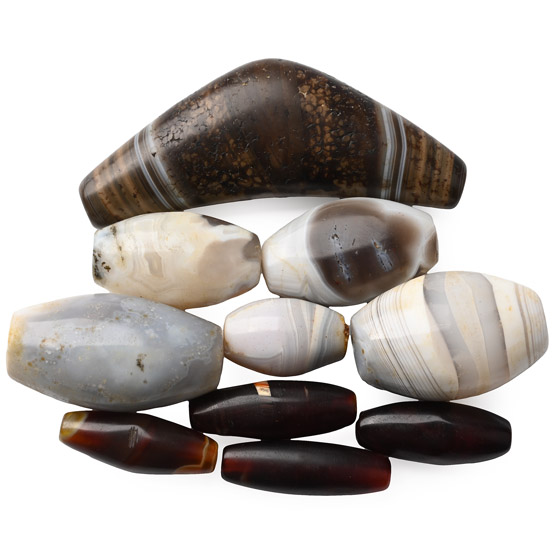
Banded Agate Bead and Pendant Group
20th century A.D.Sold for (Inc. bp): £46
Including fusiform, tabular and other types in banded agate and other materials. 117 grams total, 21-69 mm
Private collection, UK. -
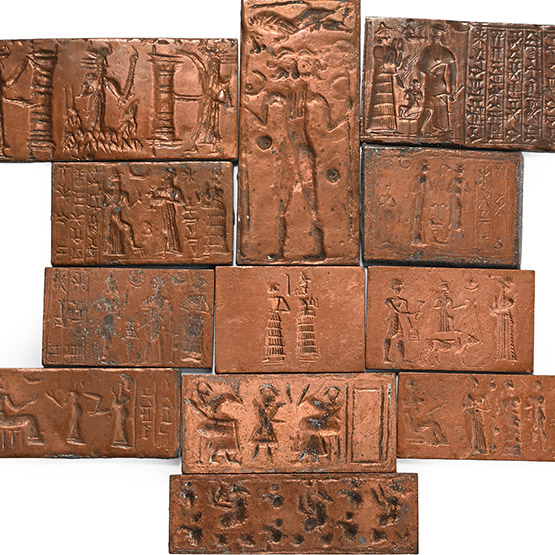
Large Cylinder Seal Electrotype Group
Late 19th-early 20th century A.D.Sold for (Inc. bp): £195
Of academic interest, copper-coated lead seal impressions including presentation scenes, court scenes, bull-headed man in a frame; some with cuneiform text. 433 grams total, 39-72 mm
Possibly made by the British Museum. From a West Country, UK, private collection. -
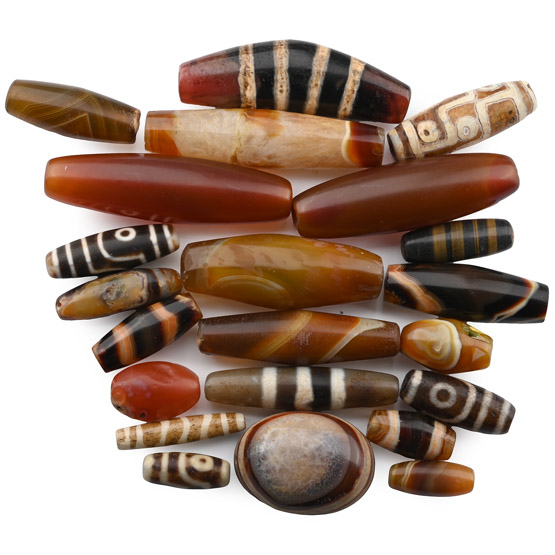
Agate and Glass Bead Collection
20th century A.D.Sold for (Inc. bp): £182
Including crescentic, biconvex, plano-convex and other types, some with etched Zi patterns. 356 grams total, 24-70 mm
Private collection, UK.
