
Loading, please wait...

LOT 1908
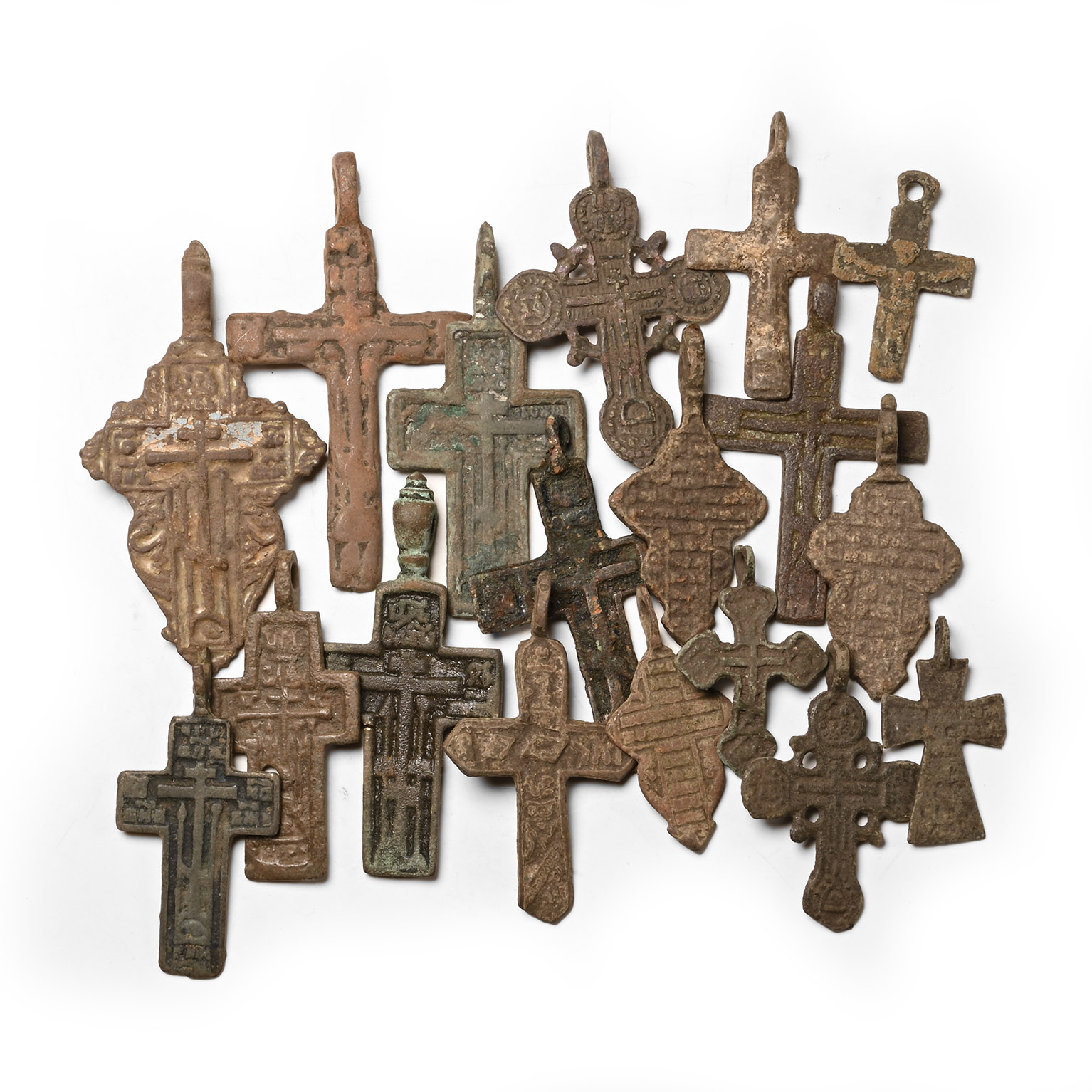
Post Byzantine Bronze Cross Pendant Collection
17TH-19TH CENTURY A.D.
1 1/8 - 2 1/4 in. (69 grams total, 28-55 mm).
Cruciform and other pendants with low-relief text and ornament to one or both faces. [18, No Reserve]
ProvenanceAcquired on the European art market since the early 2000s.
From the private Northern Ireland collection of R.M.
TimeLine Auctions follows a vetting process to ensure the authenticity and legality of all items, reinforcing our commitment to integrity and responsible trading. Each antiquity, antique, and coin lot undergoes thorough examination by a vetting committee of at least ten external specialists, professional trade association members, scientists, and archaeologists: Our Vetting Process
AUCTIONS:
TimeLine is a leading auction house specialising in antiquities, ancient art, collectables, natural history, coins, medals, and books. Our auctions offer museums, collectors, historians, and enthusiasts the opportunity to acquire unique and historically significant pieces.
-
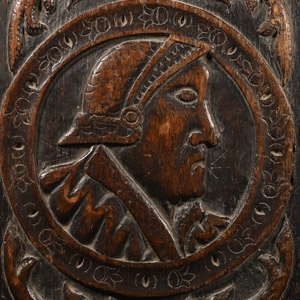
Tudor Wooden Plaque with Helmetted Figure
16th-17th century A.D.Sold for (Inc. bp): £364
Cupboard door with rounded frame, carved central ring with foliage clusters above and below, profile portrait bust wearing a helmet with pivoting visor; fixing points to reverse for lock and hinges. 742 grams, 38.5 x 27.2 cm
Private collection, London, UK. -
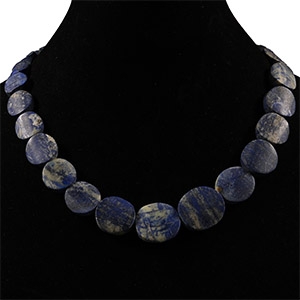
Bactrian Style Lapis Lazuli Large Bead Necklace
20th century A.D.Sold for (Inc. bp): £20
Comprising a graduated series of restrung coin-shaped beads with modern fasteners. 107 grams total, 43 cm long
UK gallery, early 2000s. -
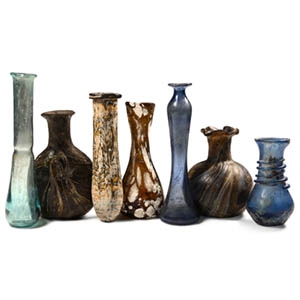
Roman Style Glass Bottle Collection
20th century A.D.Sold for (Inc. bp): £39
Comprising: two slender unguentaria with flared rims, one squat in profile with bulbous body and dimple base, flared rim pinched into undulations, and other types; after the antique; one repaired. 450 grams total, 7.8-13.4 cm
From the private collection of Victor Brox, UK.
