
Loading, please wait...
LOT 1386
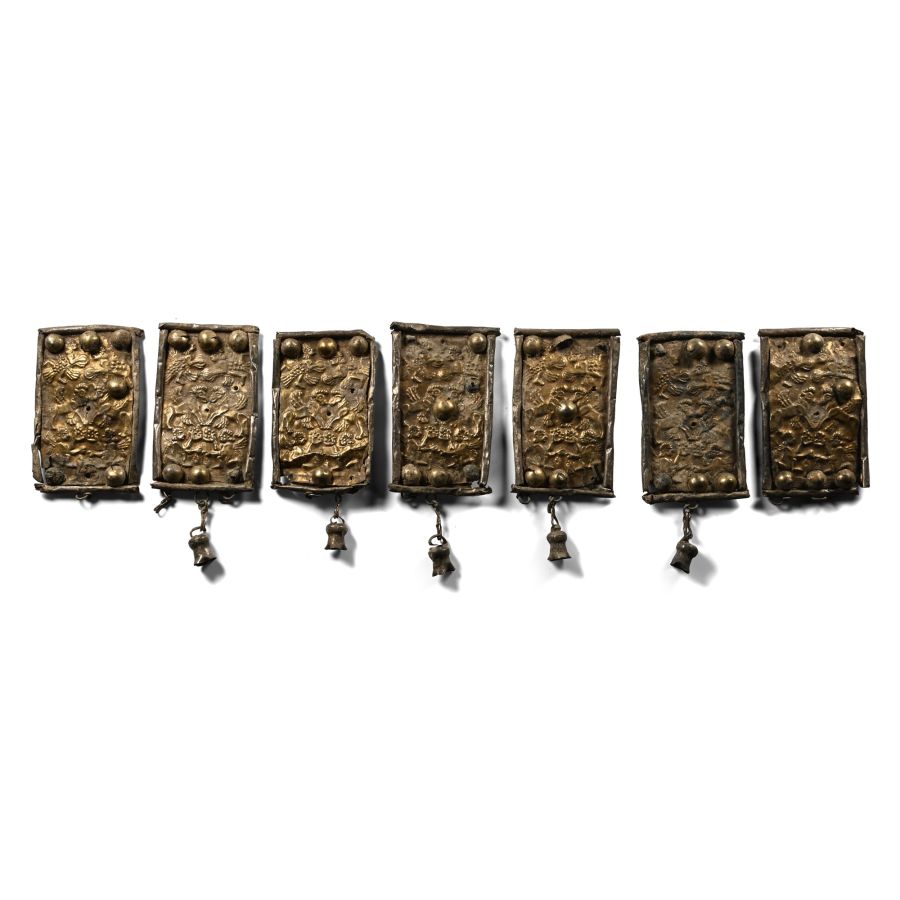
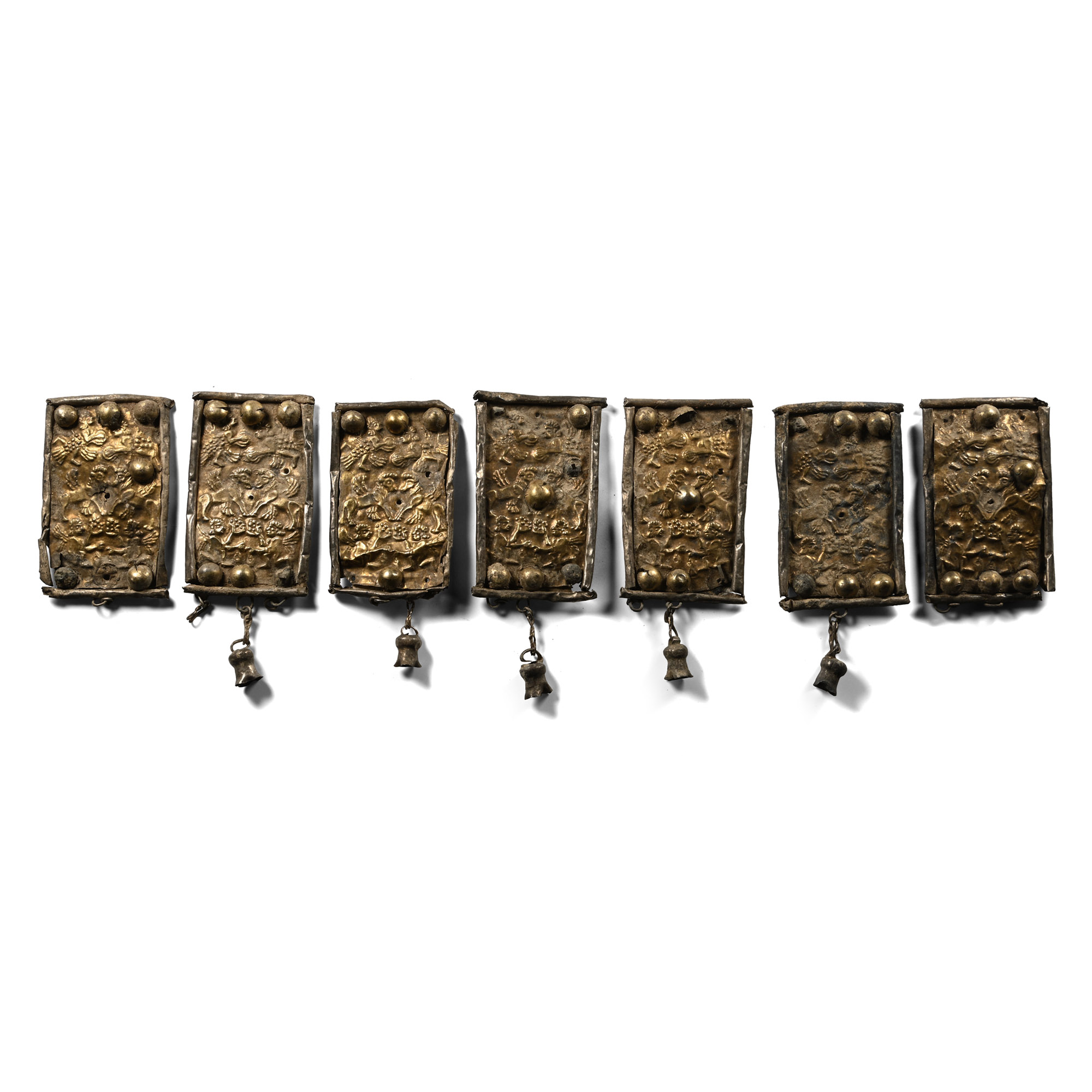
Post Achaemenid Silver Belt Mount Group with Winged Bulls
3RD-2ND CENTURY B.C.
2 3/4 - 3 3/8 in. (95 grams total, 68-86 mm).
Each rectangular with rolled edges forming a frame, repoussé central panel with winged bulls and other motifs, applied hollow domed studs. [7, No Reserve]
ProvenanceFrom a deceased family collection formed in the 1980s; thence by descent.
This lot has been cleared against the Art Loss Register database, and is accompanied by an illustrated lot declaration signed by the Head of the Antiquities Department, Dr Raffaele D'Amato.
TimeLine Auctions follows a vetting process to ensure the authenticity and legality of all items, reinforcing our commitment to integrity and responsible trading. Each antiquity, antique, and coin lot undergoes thorough examination by a vetting committee of at least ten external specialists, professional trade association members, scientists, and archaeologists: Our Vetting Process
AUCTIONS:
TimeLine is a leading auction house specialising in antiquities, ancient art, collectables, natural history, coins, medals, and books. Our auctions offer museums, collectors, historians, and enthusiasts the opportunity to acquire unique and historically significant pieces.
LOT 1386
Post Achaemenid Silver Belt Mount Group with Winged Bulls
Sold for (Inc. bp): £286
-
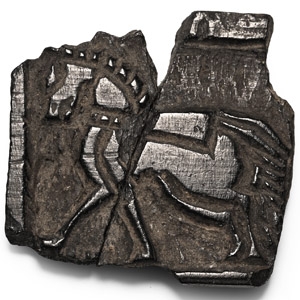
Western Asiatic Stone Panel Fragment with Horse
1st millennium B.C.Sold for (Inc. bp): £117
Carved rectangular plaque with reserved border and advancing horse with bridle and saddlecloth; possibly the leading edge of a wagon or chariot behind. 2.44 grams, 23 mm
Acquired 1979-1999. London collection of the late Mr S.M., thence by descent. This lot has been cleared against the Art Loss Register database, and is accompanied by an illustrated lot declaration signed by the Head of the Antiquities Department, Dr Raffaele D'Amato. -
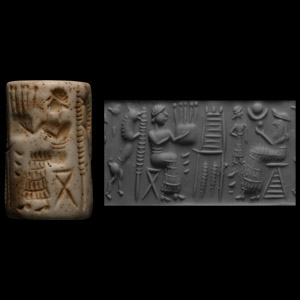
Sumerian White Stone Cylinder Seal with Hunter
Circa 2900-2750 B.C.Sold for (Inc. bp): £546
Incuse image of a nude male standing with a hunting spear of jaegerstock type, his prey carried draped over his shoulders with head dangling to the rear; baseline below; supplied with a museum-quality impression. 19.9 grams, 30 mm
UK private collection before 2000. Acquired on the UK art market. Property of a London gentleman. This lot has been cleared against the Art Loss Register database, and is accompanied by an illustrated lot declaration signed by the Head of the Antiquities Department, Dr Raffaele D'Amato. -
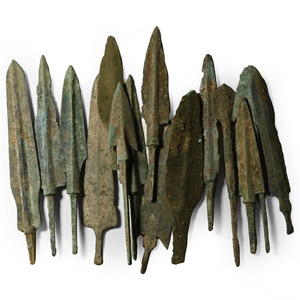
Luristan Bronze Arrowhead Group
13th-6th century B.C.Sold for (Inc. bp): £247
Including leaf-shaped, barbed, narrow triangular, swallowtail and other tanged types. 380 grams total, 9.9-14.7 cm
Acquired 1980-2015. Ex Abelita family collection. This lot has been cleared against the Art Loss Register database, and is accompanied by an illustrated lot declaration signed by the Head of the Antiquities Department, Dr Raffaele D'Amato.
