
Loading, please wait...
LOT 1925
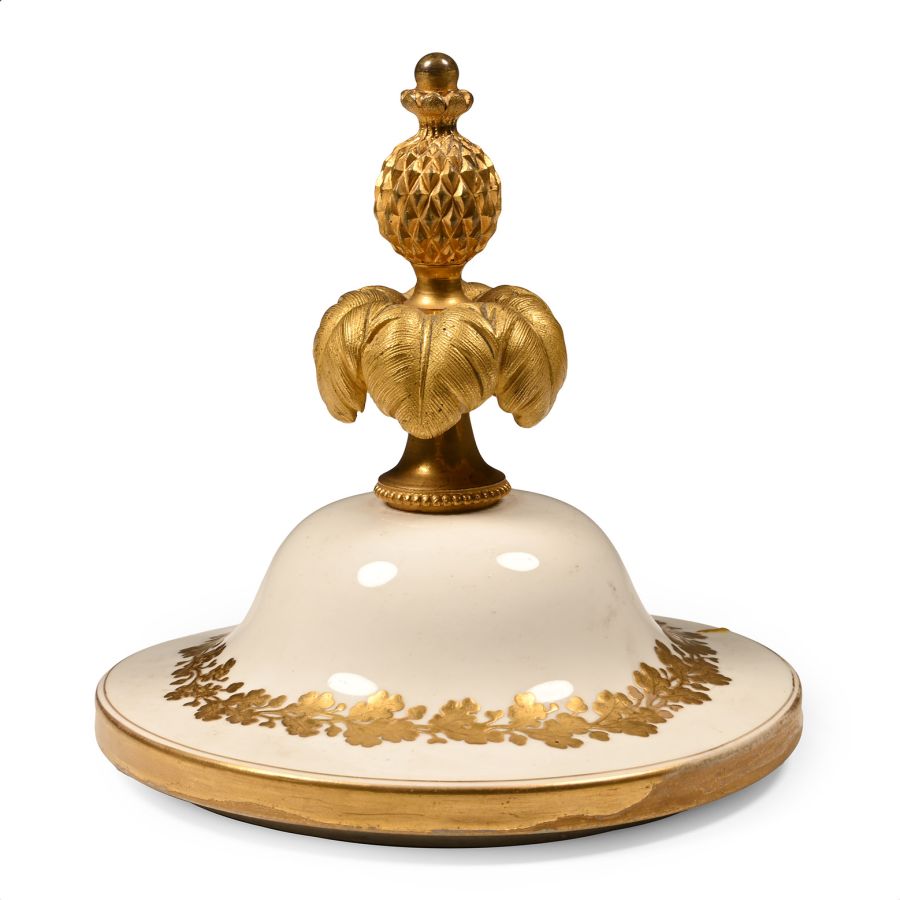
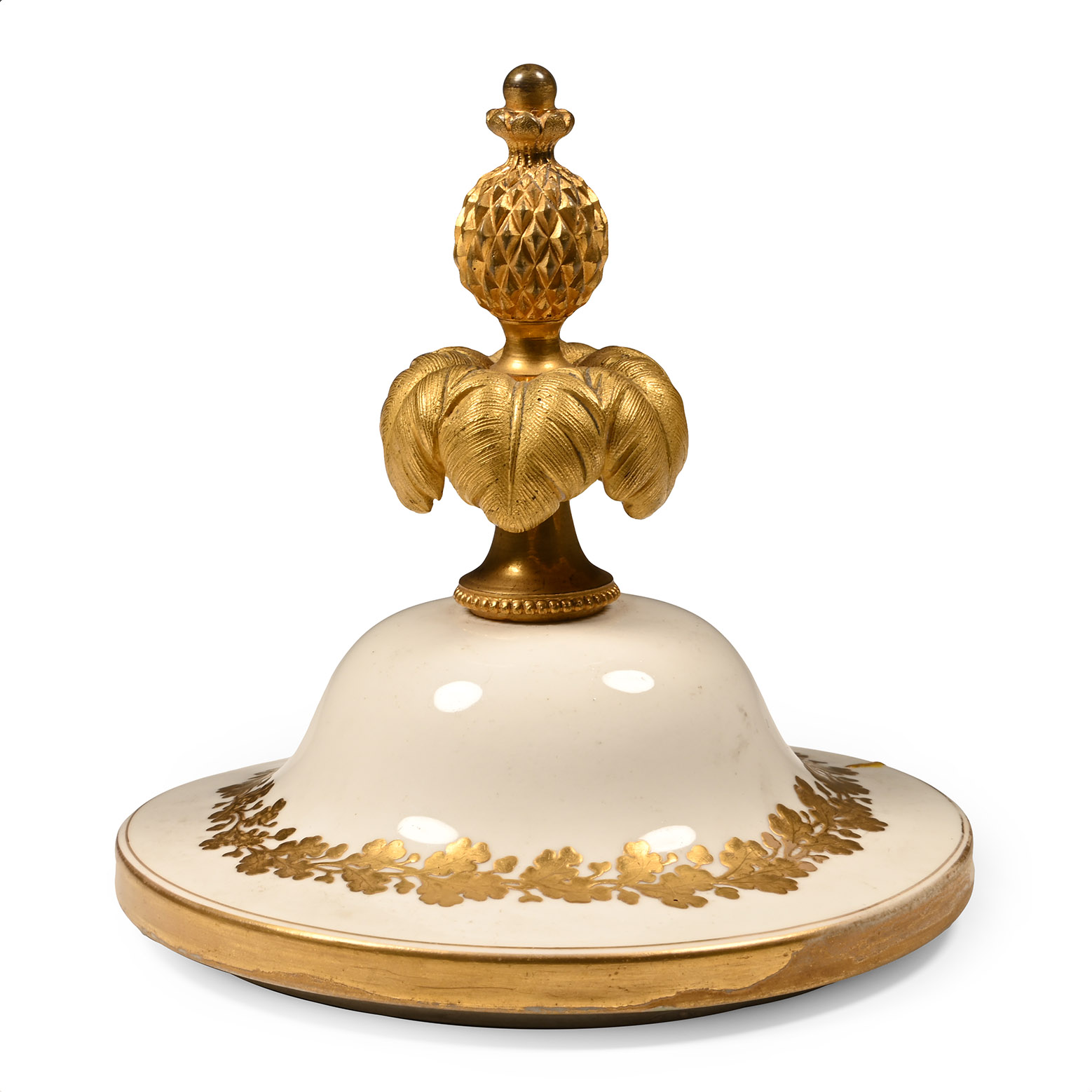
Porcelain Vessel Lid with Gilt Top
19TH CENTURY A.D.
4 3/4 in. (392 grams, 12.2 cm).
Bell-shaped in profile with gilt oak-leaf band to the flange, gilt rim; cast ostrich-plume band and facetted knop above. [No Reserve]
ProvenancePrivate collection, London, UK.
CONDITIONTimeLine Auctions follows a vetting process to ensure the authenticity and legality of all items, reinforcing our commitment to integrity and responsible trading. Each antiquity, antique, and coin lot undergoes thorough examination by a vetting committee of at least ten external specialists, professional trade association members, scientists, and archaeologists: Our Vetting Process
AUCTIONS:
TimeLine is a leading auction house specialising in antiquities, ancient art, collectables, natural history, coins, medals, and books. Our auctions offer museums, collectors, historians, and enthusiasts the opportunity to acquire unique and historically significant pieces.
-
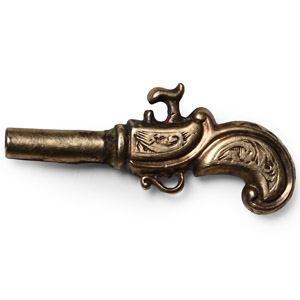
Georgian Silver-Gilt Flintlock Pistol Watch Winder Key
18th century A.D.Sold for (Inc. bp): £78
Formed as a miniature pistol with hollow barrel. 1.12 grams, 23 mm
Found Essex, UK. -
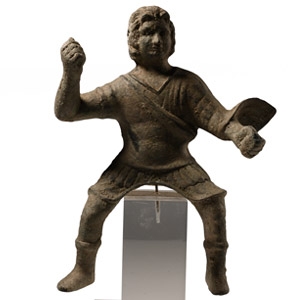
Bronze Rider Statue
20th century A.D.Sold for (Inc. bp): £46
Modelled in the round with legs straddling a saddle, layered armour over a tunic with left bell-sleeve, riding boots; the head clean-shaven and bare with collar-length hair; left hand extended to grip reins and right hand raised to wield a spear; mounted on a custom-made stand. 2.71 kg total, 31 cm including stand
From a collection acquired on the UK art market from various auction houses and collections mostly before 2000. From an important Cambridgeshire estate; thence by descent. -
.jpg)
Egyptian Style Lapis Lazuli Harpocrates Amulet
20th century A.D.Sold for (Inc. bp): £59
Carved in the round standing nude, right hand raised in his usual gesture with finger against lips, wearing the Sidelock of Youth; pierced through the shoulders for suspension. 8.44 grams, 39 mm
UK gallery, early 2000s.
