
Loading, please wait...
LOT 2386
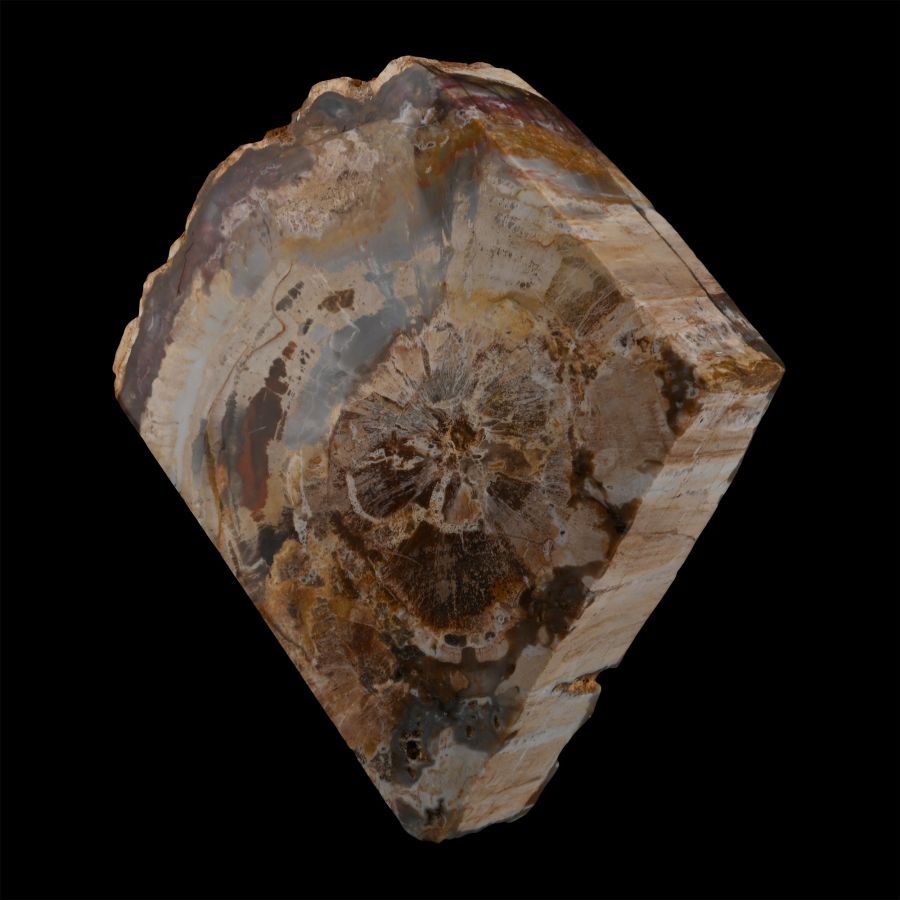
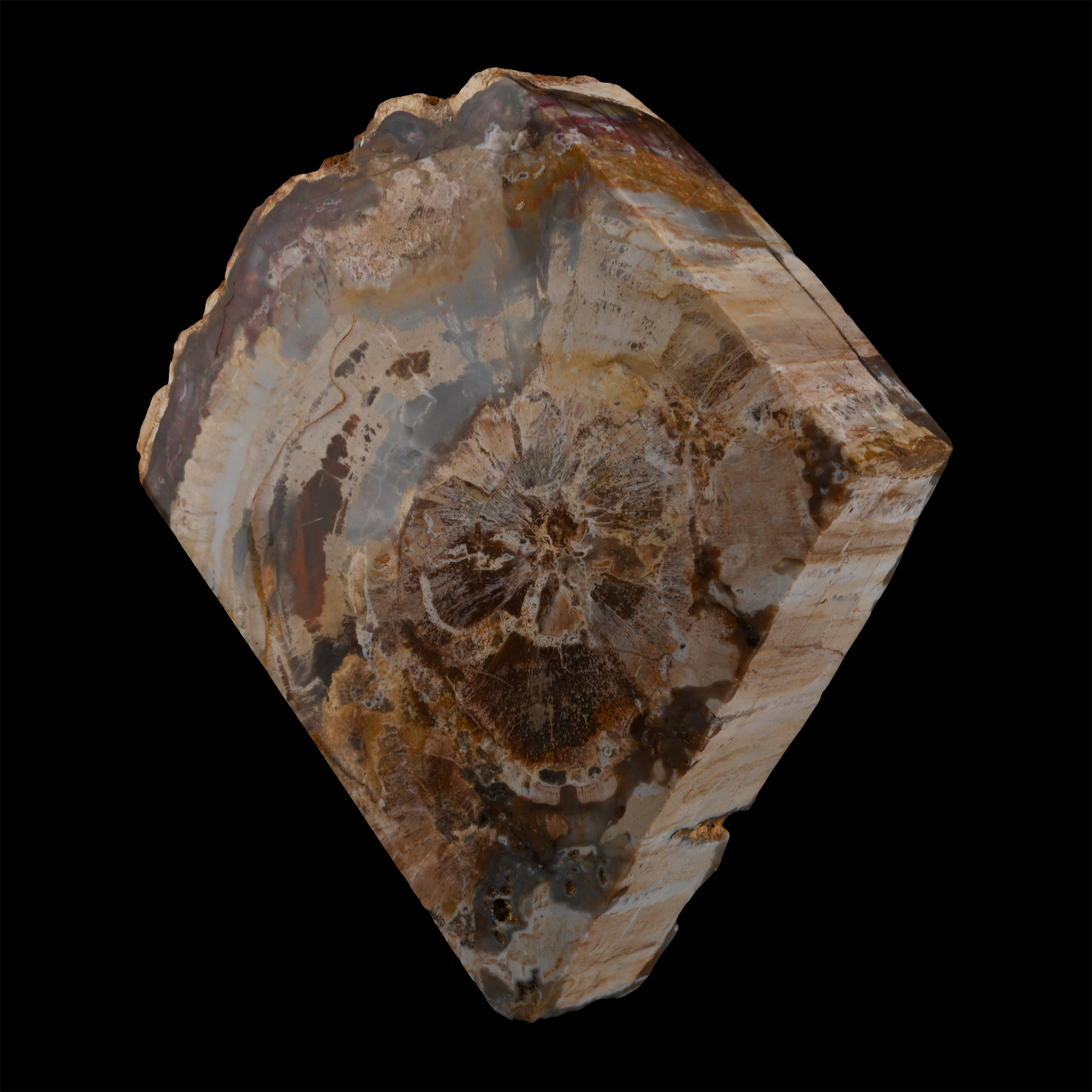
Polished Fossil Tree Trunk Section
TRIASSIC PERIOD, CIRCA 251-199 MILLION YEARS B.P.
8 5/8 in. (622 grams, 91 mm).
Showing attractive agatized patterns. [No Reserve]
ProvenanceFrom a Lincolnshire, UK, collection.
CONDITIONTimeLine Auctions follows a vetting process to ensure the authenticity and legality of all items, reinforcing our commitment to integrity and responsible trading. Each antiquity, antique, and coin lot undergoes thorough examination by a vetting committee of at least ten external specialists, professional trade association members, scientists, and archaeologists: Our Vetting Process
AUCTIONS:
TimeLine is a leading auction house specialising in antiquities, ancient art, collectables, natural history, coins, medals, and books. Our auctions offer museums, collectors, historians, and enthusiasts the opportunity to acquire unique and historically significant pieces.
-
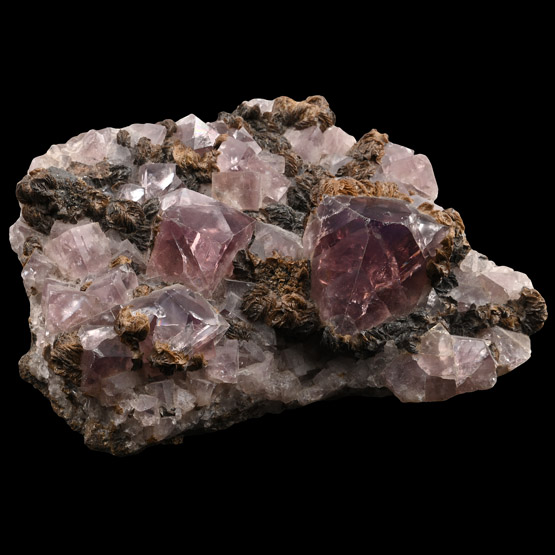
Fluorite Crystal Specimen from Cumbria
Sold for (Inc. bp): £91
A matrix containing cubic brown-red crystals, the larger ones showing incipient cleavage lines. 822 grams, 14.4 cm
Property of an Essex gallery. -
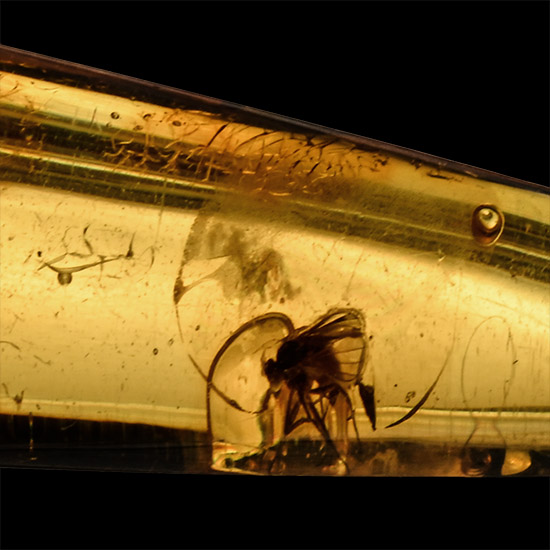
Polished Baltic Amber with Insects
Oligocene Period, circa 45 million years B.P.Sold for (Inc. bp): £85
Polished, transparent specimen with two insect inclusions. 3.4 grams, 50 mm
From Primorskoje Mine, Yantarnyi, Kaliningrad, Russia. From a Lincolnshire, UK, collection. -
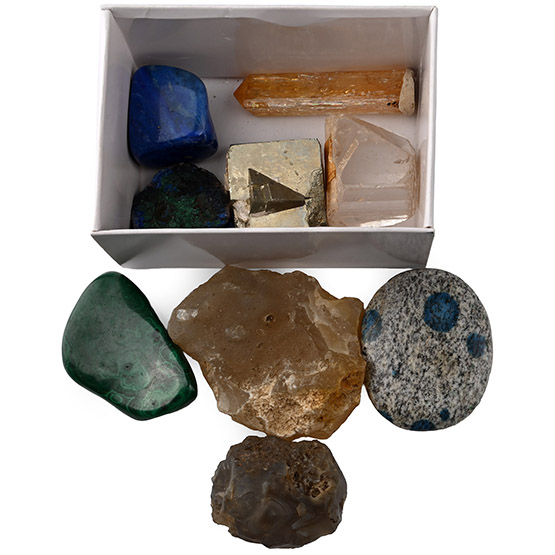
Crystal and Mineral Display Specimen Collection
Sold for (Inc. bp): £221
Comprising: malachite on azurite, sodalite, pyrite, malachite, imperial topaz, colourless topaz, azurite in granite, bicoloured tourmaline, and others. 407 grams total, 27-59 mm
Property of a North West London, UK, lady.
