
Loading, please wait...
LOT 2439
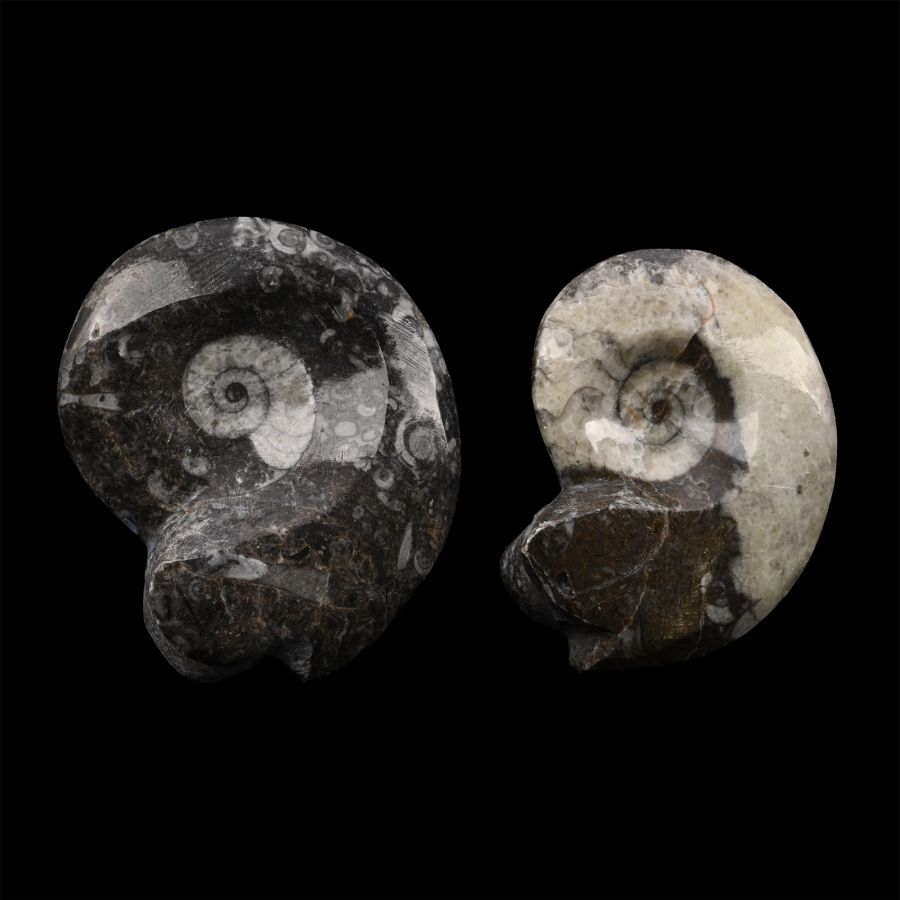
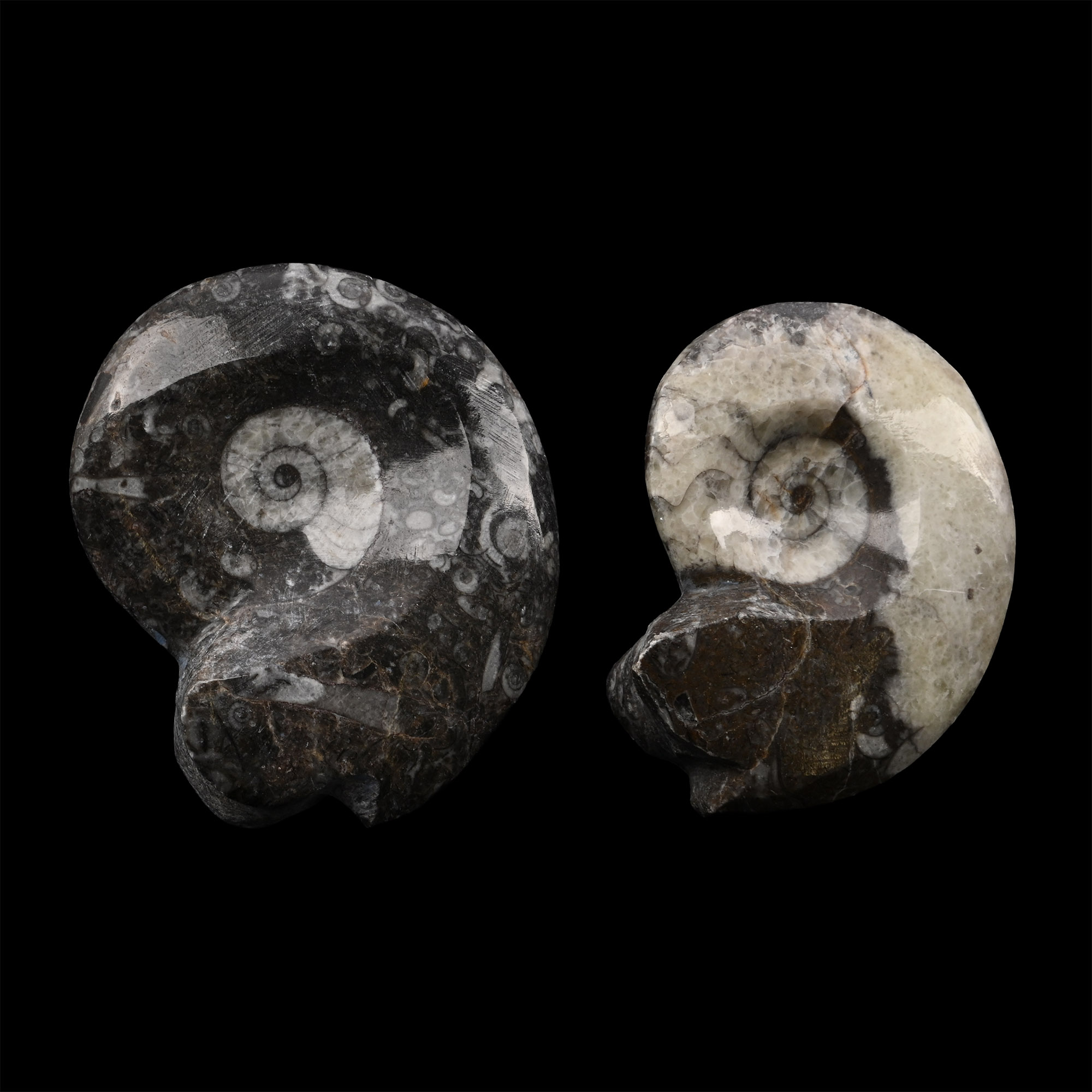
Polished Fossil Goniatite Group
DEVONIAN PERIOD, CIRCA 400 MILLION YEARS B.P.
2 1/2 in. (138 grams total, 62-65 mm).
A pair of polished goniatites showing some internal structure. [2, No Reserve]
ProvenanceFound Morocco, North Africa.
Property of an Essex gallery.
TimeLine Auctions follows a vetting process to ensure the authenticity and legality of all items, reinforcing our commitment to integrity and responsible trading. Each antiquity, antique, and coin lot undergoes thorough examination by a vetting committee of at least ten external specialists, professional trade association members, scientists, and archaeologists: Our Vetting Process
AUCTIONS:
TimeLine is a leading auction house specialising in antiquities, ancient art, collectables, natural history, coins, medals, and books. Our auctions offer museums, collectors, historians, and enthusiasts the opportunity to acquire unique and historically significant pieces.
-
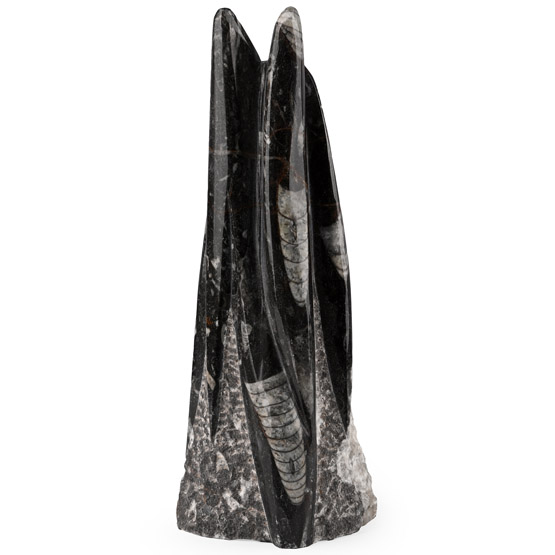
Polished Fossil Orthoceras Column
Devonian Period, circa 400 million years B.P.Sold for (Inc. bp): £33
Comprising variously sized polished Orthoceras sp. specimens on a textured freestanding matrix. 1.34 kg, 21.5 cm
From Morocco. From a Cambridgeshire, UK, collection. -
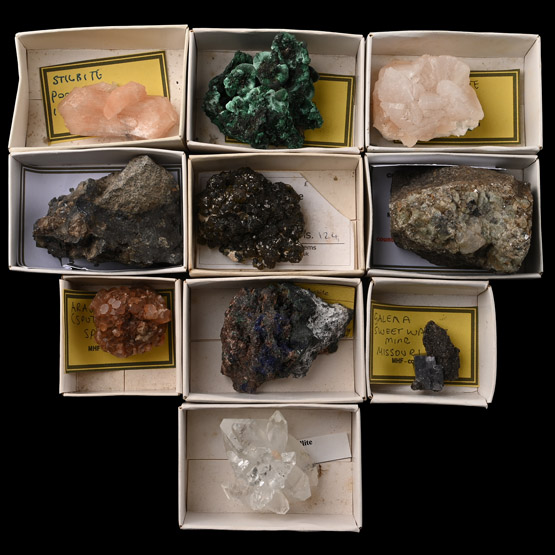
Mixed Crystal and Mineral Specimen Group
Sold for (Inc. bp): £33
Comprising: pale pink heulandite from Nasik, India; galena from Sweet Water Mine, Missouri, USA; azurite and malachite from shaft no. 3, TCL Mine, Tsumeb, Namibia; aragonite 'sputnik' from Spain; galena and sphalerite from Callow Hill Quarry, Fontesbury, Shropshire; sphalerite with pyrite from Huaron Mining District, Cerro de Pasco, Peru; cluster of apophyllite crystals from Poona, India; stilbite from Poona, India; wolframite from Carrock Mine, Mungrisdale, Caldbeck Fells, Cumbria; malachite displaying some silky lustre from the Democratic Republic of Congo. 893 grams total, 32-66 mm
From the private collection of a Cornish, UK, gentleman. -
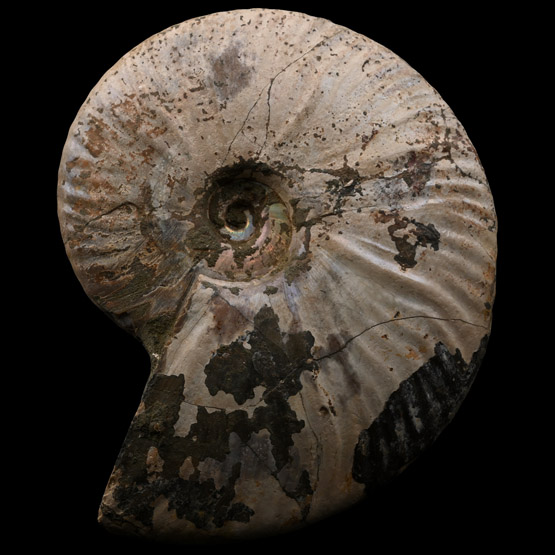
Iridescent Fossil Cleoniceras Ammonite
Cretaceous Period, circa 145-66 million years B.P.Sold for (Inc. bp): £26
A naturally iridescent Cleoniceras besairiei ammonite. 470 grams, 13 cm
From Madagascar. From a Lincolnshire, UK, collection.
