
Loading, please wait...
LOT 2510
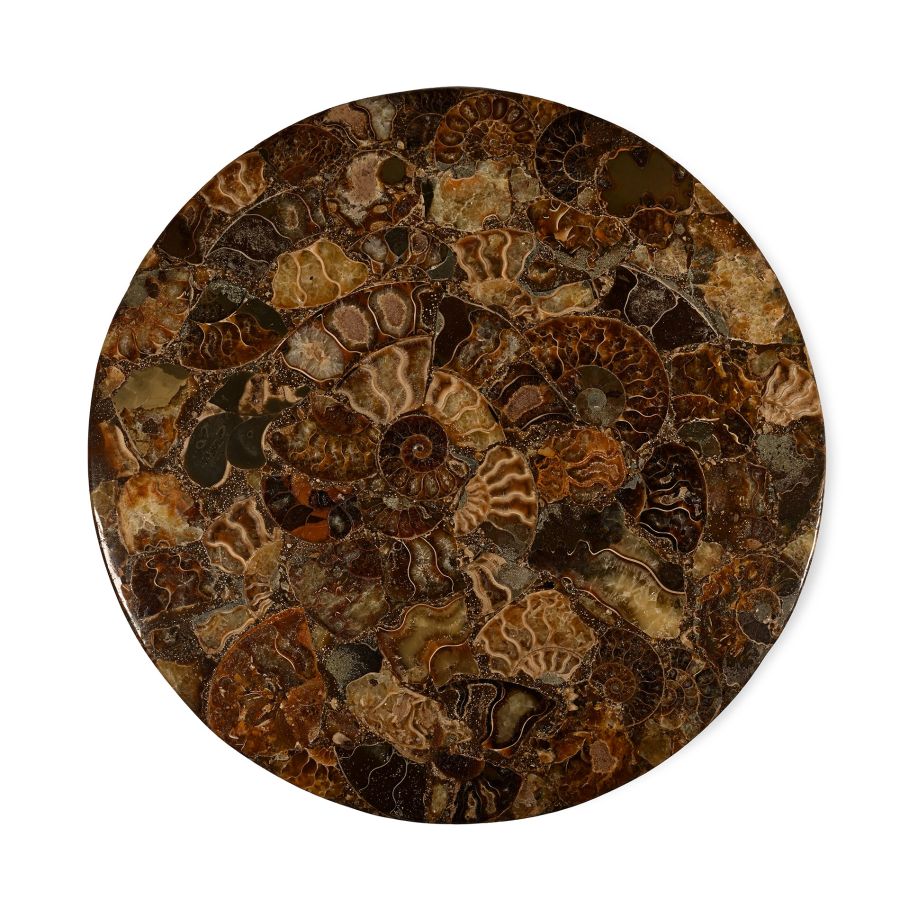
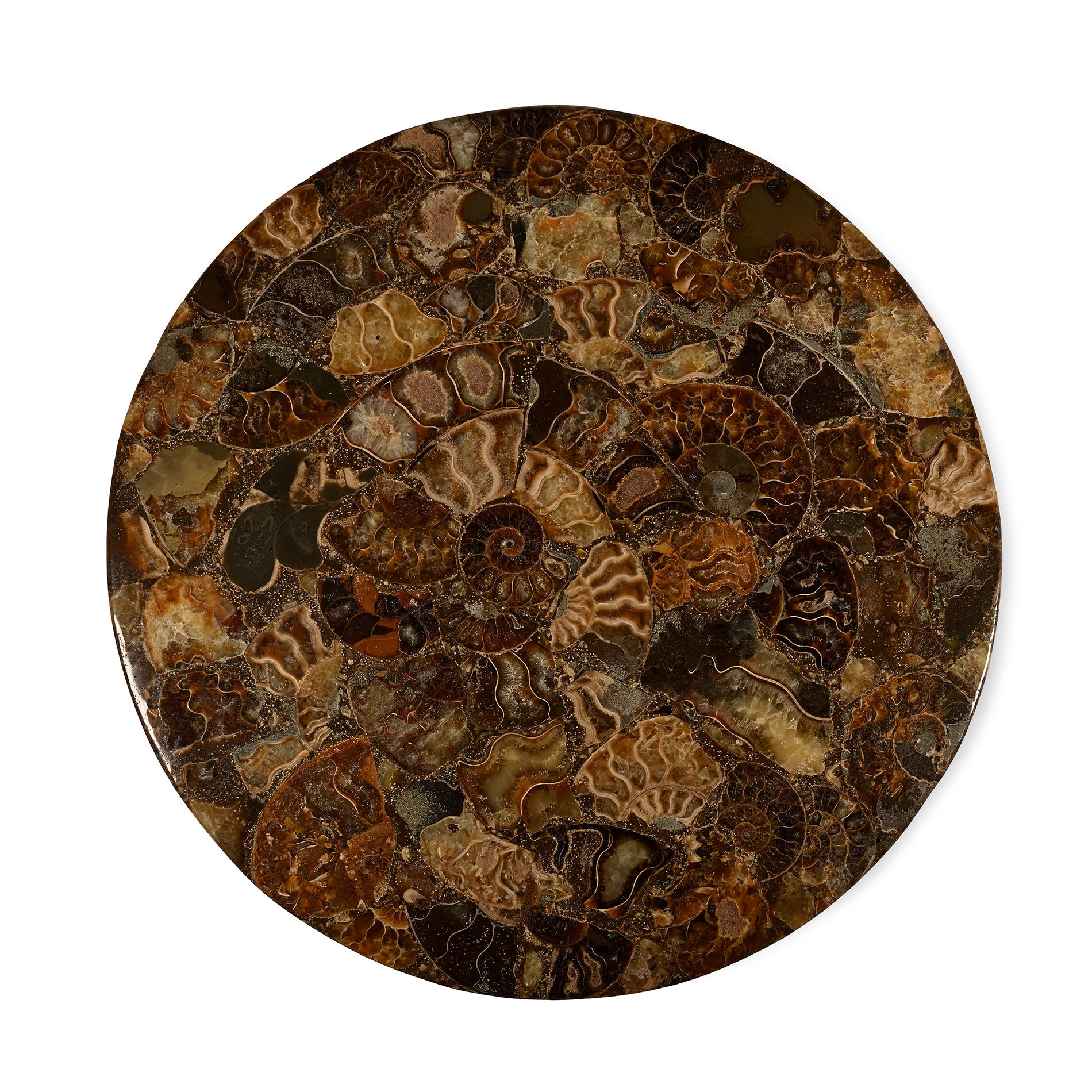
Polished Fossil Ammonite Plate
JURASSIC PERIOD, CIRCA 199-145 MILLION YEARS B.P.
9 1/2 in. (781 grams, 240 mm).
A circular composite plate of overlapping Cleoniceras sp. ammonites. [No Reserve]
ProvenanceFrom a Lincolnshire, UK, collection.
CONDITIONTimeLine Auctions follows a vetting process to ensure the authenticity and legality of all items, reinforcing our commitment to integrity and responsible trading. Each antiquity, antique, and coin lot undergoes thorough examination by a vetting committee of at least ten external specialists, professional trade association members, scientists, and archaeologists: Our Vetting Process
AUCTIONS:
TimeLine is a leading auction house specialising in antiquities, ancient art, collectables, natural history, coins, medals, and books. Our auctions offer museums, collectors, historians, and enthusiasts the opportunity to acquire unique and historically significant pieces.
-
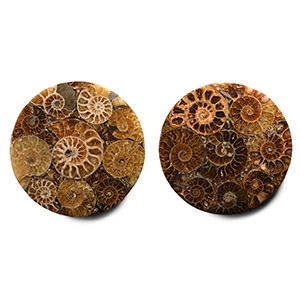
Polished Fossil Ammonite Coaster Pair
Jurassic Period, circa 199-145 million years B.P.Sold for (Inc. bp): £111
Comprising two circular composite plates of overlapping Cleoniceras sp. ammonites. 153 grams total, 81 mm each
From a Lincolnshire, UK, collection. -
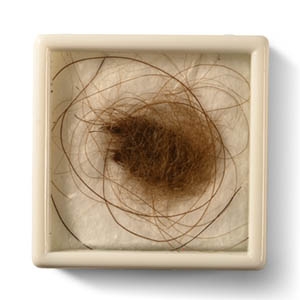
Woolly Mammoth Hair from Permafrost
Pleistocene Period, circa 40,000-11,700 years B.P.Sold for (Inc. bp): £182
Comprising long, coarse outer hairs and a dense tuft of the undercoat; supplied in a display case. 24 grams including case, case: 50 x 50mm
From Yacutia, Siberia. Ex Gerald Lucy Rocks, minerals and fossils. From the private collection of Kenneth Machin (1936-2020), Buckinghamshire, UK; his collection of antiquities and natural history was formed since 1948; thence by descent. Accompanied by a Gerald Lucy information display card. -
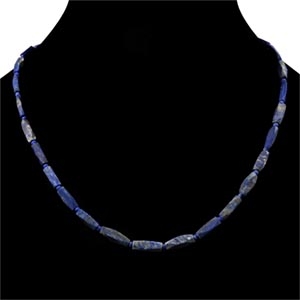
Lapis Lazuli Bead Necklace String
Sold for (Inc. bp): £91
Composed of facetted polygonal beads interspersed with small oblate beads; restrung. 14 grams, 43.5 cm
Ex London art market. Property of a North London, UK, gentleman.
