
Loading, please wait...
LOT 2364
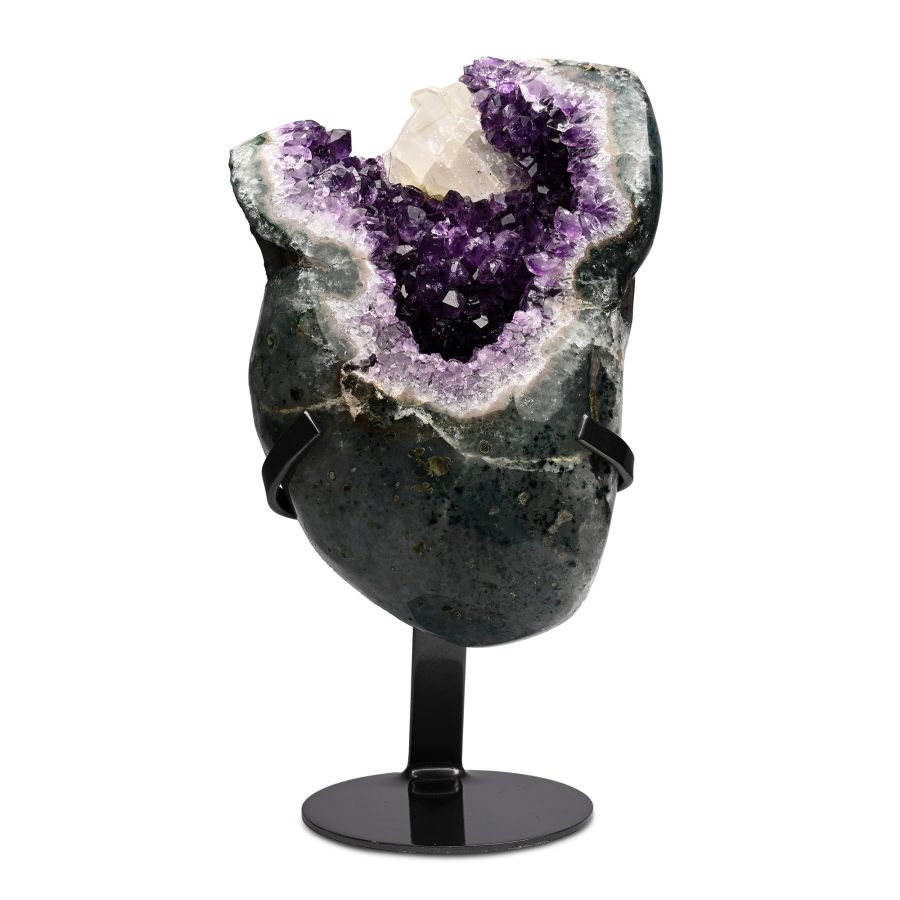
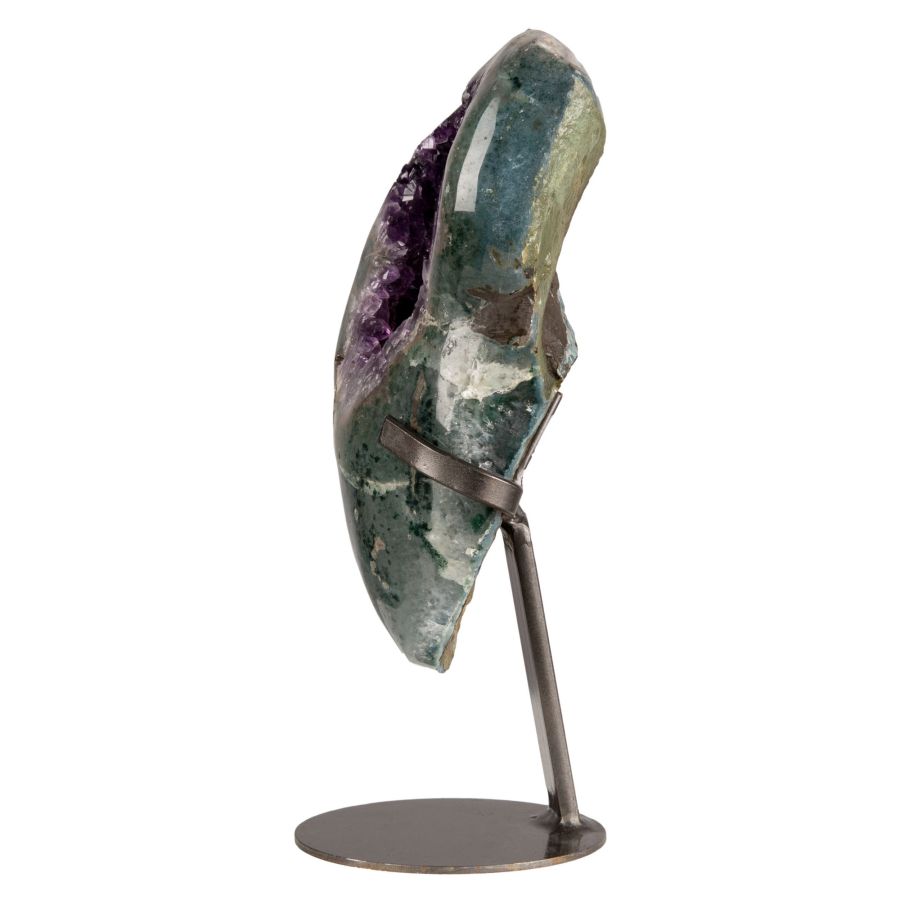
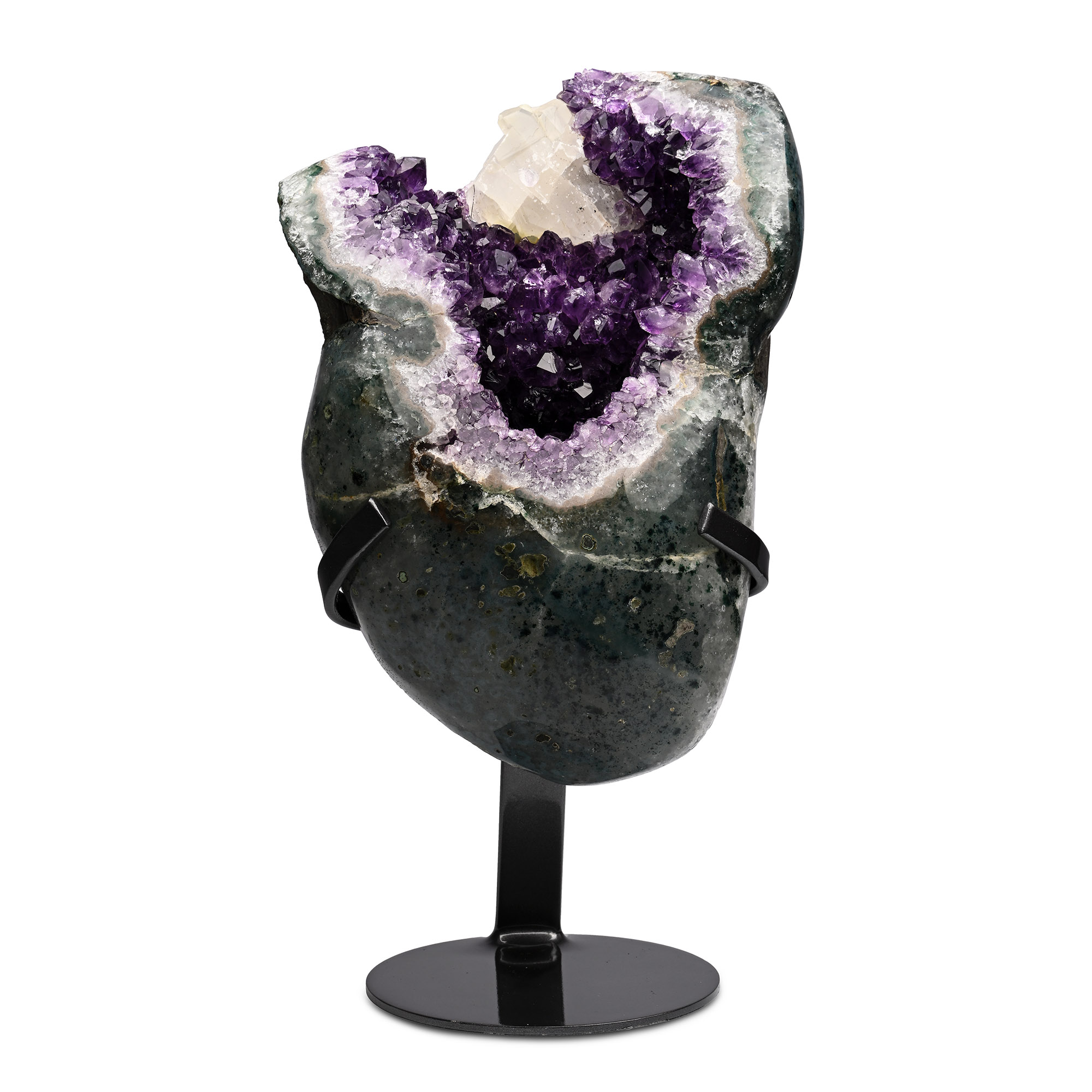
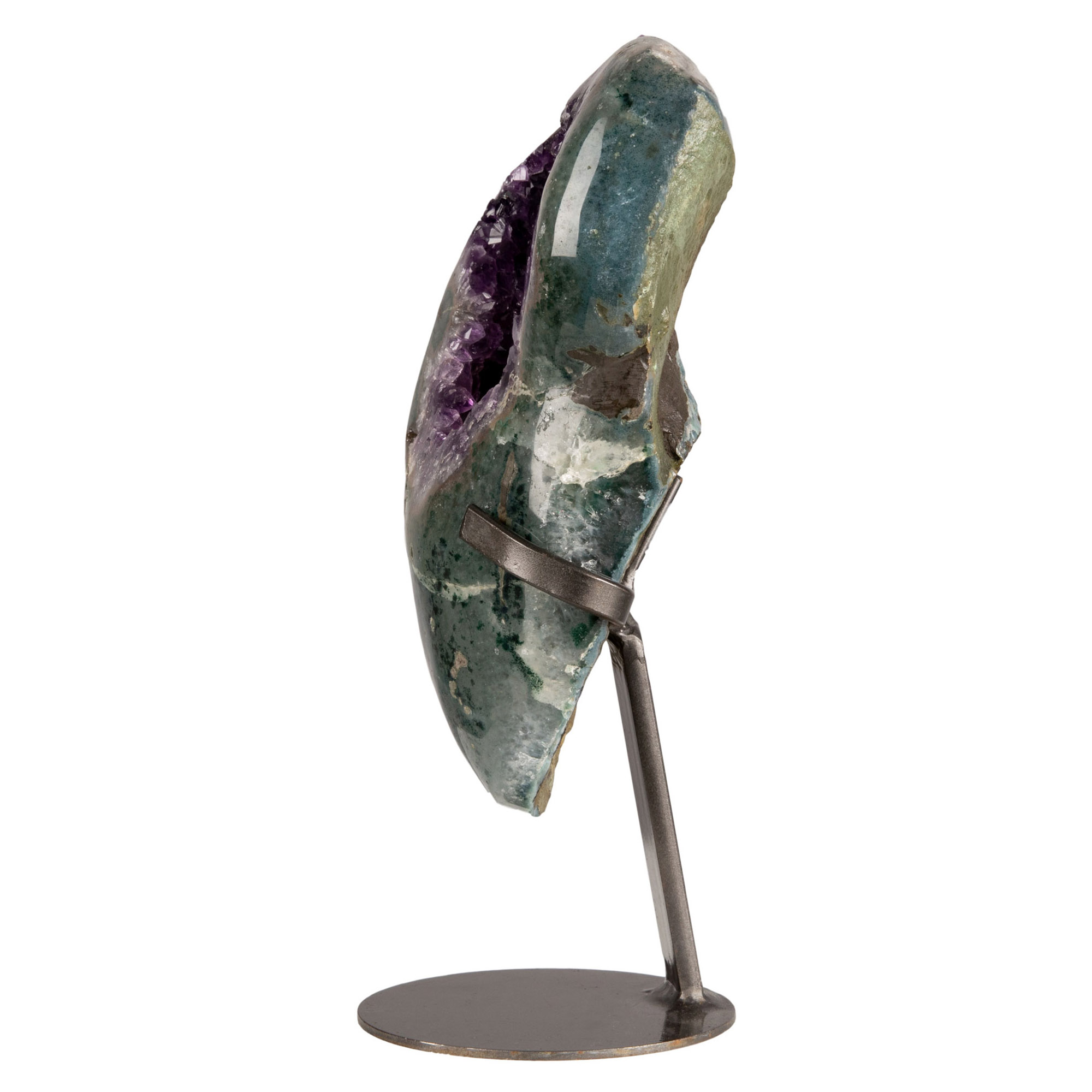
Polished Amethyst Crystal Geode Display with Calcite
CIRCA 140-120 MILLION YEARS B.P.
10 5/8 x 7 7/8 x 4 in. (5.68 kg, 27 x 20 x 10 cm).
The outer layer of green celadonite beautifully polished, the interior with dark purple prismatic amethyst crystals, and at the top, an aggregate of white rhombohedral calcite crystals; mounted on a custom-made display stand.
ProvenanceFrom Artigas, Uruguay.
Property of a London lady.
TimeLine Auctions follows a vetting process to ensure the authenticity and legality of all items, reinforcing our commitment to integrity and responsible trading. Each antiquity, antique, and coin lot undergoes thorough examination by a vetting committee of at least ten external specialists, professional trade association members, scientists, and archaeologists: Our Vetting Process
AUCTIONS:
TimeLine is a leading auction house specialising in antiquities, ancient art, collectables, natural history, coins, medals, and books. Our auctions offer museums, collectors, historians, and enthusiasts the opportunity to acquire unique and historically significant pieces.
LOT 2364
Polished Amethyst Crystal Geode Display with Calcite
Estimate £1,000 - 1,400€1,160 - 1,620 (for guidance only)$1,350 - 1,890 (for guidance only)
-
Nothofagus Fossil Ferns in Matrix
Lower Eocene Period, circa 56-48 million years B.P.Sold for (Inc. bp): £13
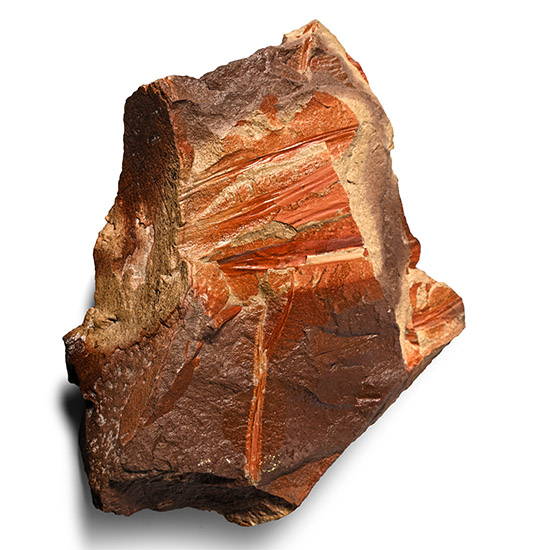
An irregular matrix with multiple Southern beech leaves. 400 grams, 13.8 cm
From the Redbank Plains formation, Ebbw Vale, Ipswich, Queensland, Australia. From the private collection of Kenneth Machin (1936-2020), Buckinghamshire, UK; his collection of antiquities and natural history was formed since 1948; thence by descent. -
Morton Gneiss Plate Sections
Circa 3.5 billion years B.P.Sold for (Inc. bp): £156
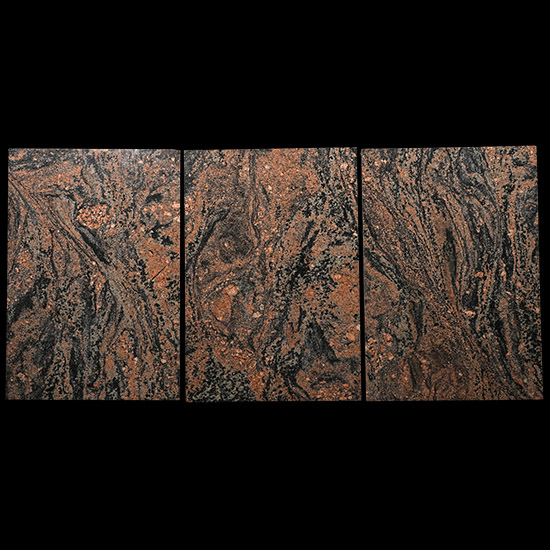
Comprising three rectangular sections of grey pink and black medium to coarse-grained biotite-quartz-plagioclase gneiss with polished upper face, each with wooden backing and one cracked. approx. 84 kg total, 85 x 58 cm each
Canadian Shield, Minnesota River Valley, Southwestern Minnesota, USA. with Phillips, New York, 3 June 1995, no.81. Private collection, Florida, acquired at the above sale. with Sotheby’s, New York, 28 April 2021, no.27 (est. $2,500–3,500).
The world’s oldest known rocks come from the Canadian Shield area of North America. Among the most ancient is the present material, Morton Gneiss at approximately 3.5 billion years old believed to be part of Earth’s first planetary crust. The swirls and layers are a result of metamorphism that incurred when the original volcanic rock was buried to tremendous depths. -
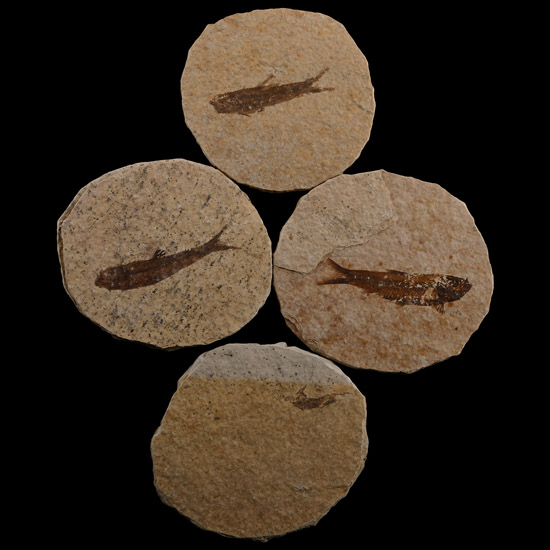
Knightia Fossil Fish Plate Group
Eocene Period, circa 58-36 million years B.P.Sold for (Inc. bp): £52
Comprising three circular plates, each with a Knightia alta fish, and a fourth plate with small remains of one. 165 grams total, 71-80 mm
From Wyoming, USA. From a Lincolnshire, UK, collection.
In southwest Wyoming (and parts of Colorado and Utah), in the Green River Formation, are found some of the world's most outstanding specimens of fossil fish. The Green River system was composed of three lakes: Lake Uinta, Lake Gosiute and Fossil Lake. These Eocene lakes lay in a series of intermountain basins formed by geological events that uplifted the Rocky Mountains during the early Tertiary time. The climate was much different from the desert-like climate of this area today. Both the fauna (crocodiles, alligators, boa constrictors and some subtropical fish families) and the flora (such as large palm trees) indicate a climate much like that found along the Gulf Coast today. Large amounts of ash found in the sediments indicate that volcanoes were particularly active at this time.
