
Loading, please wait...


LOT 2831
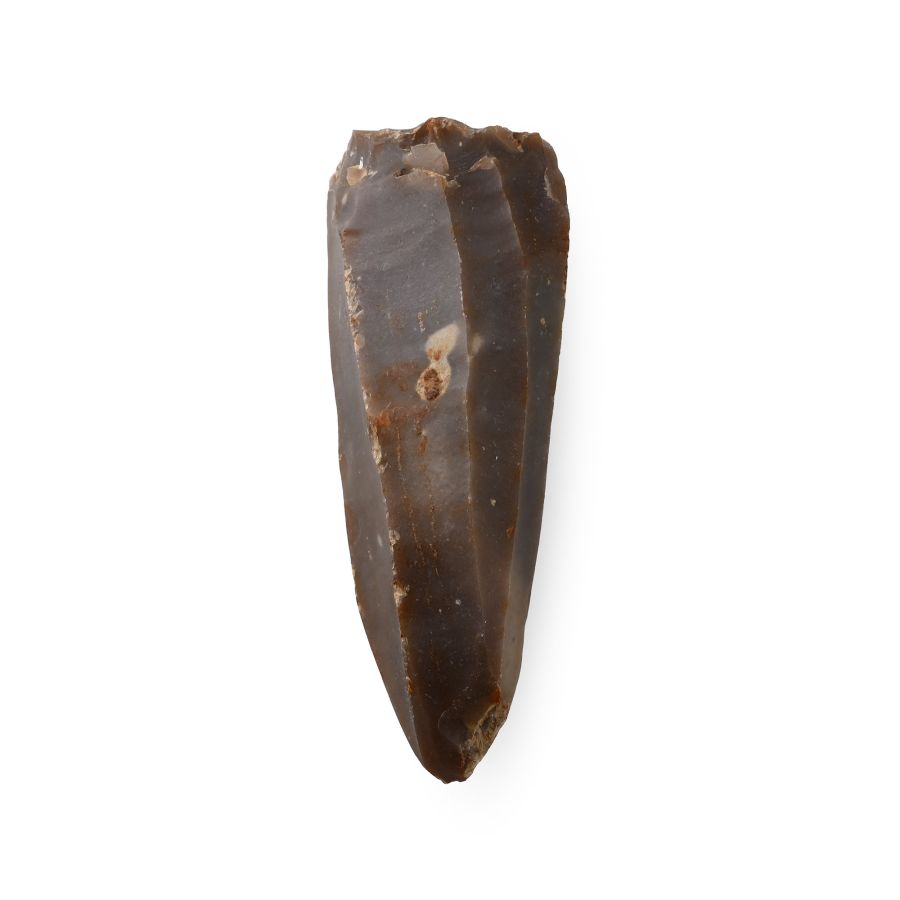
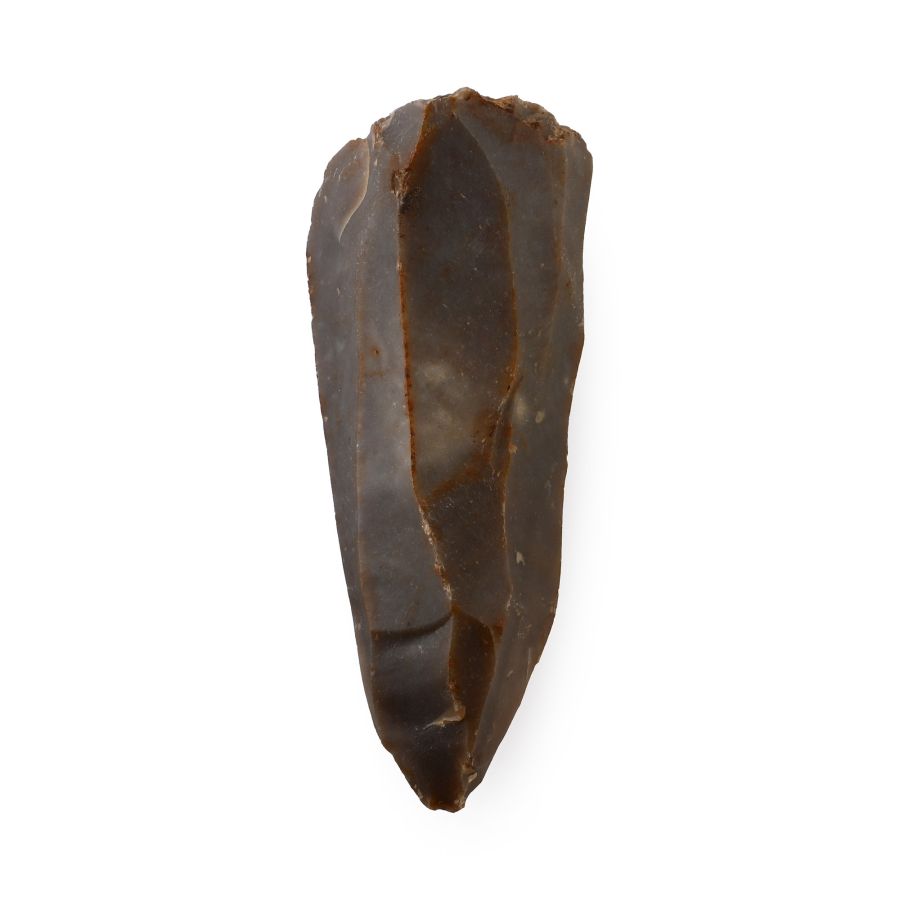
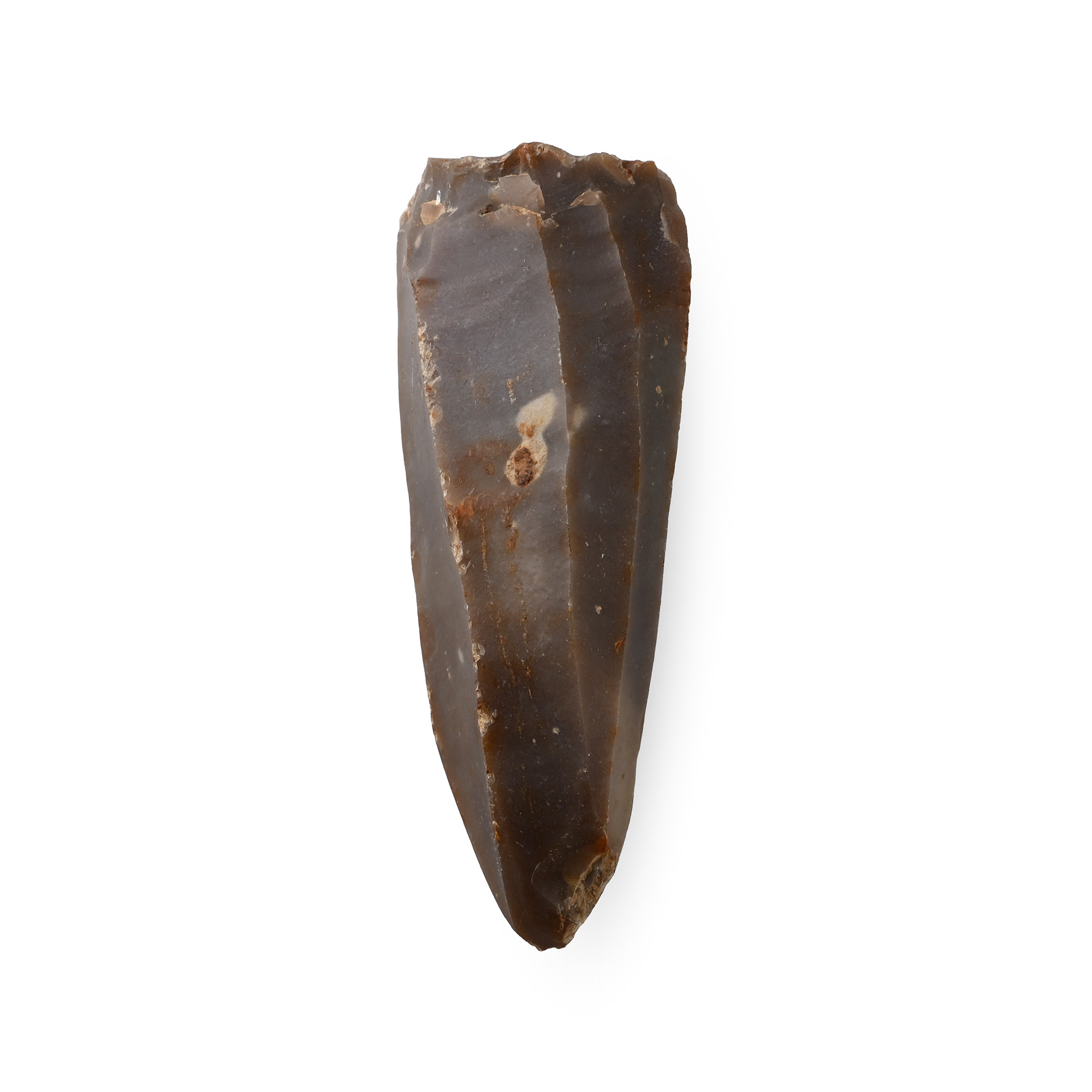
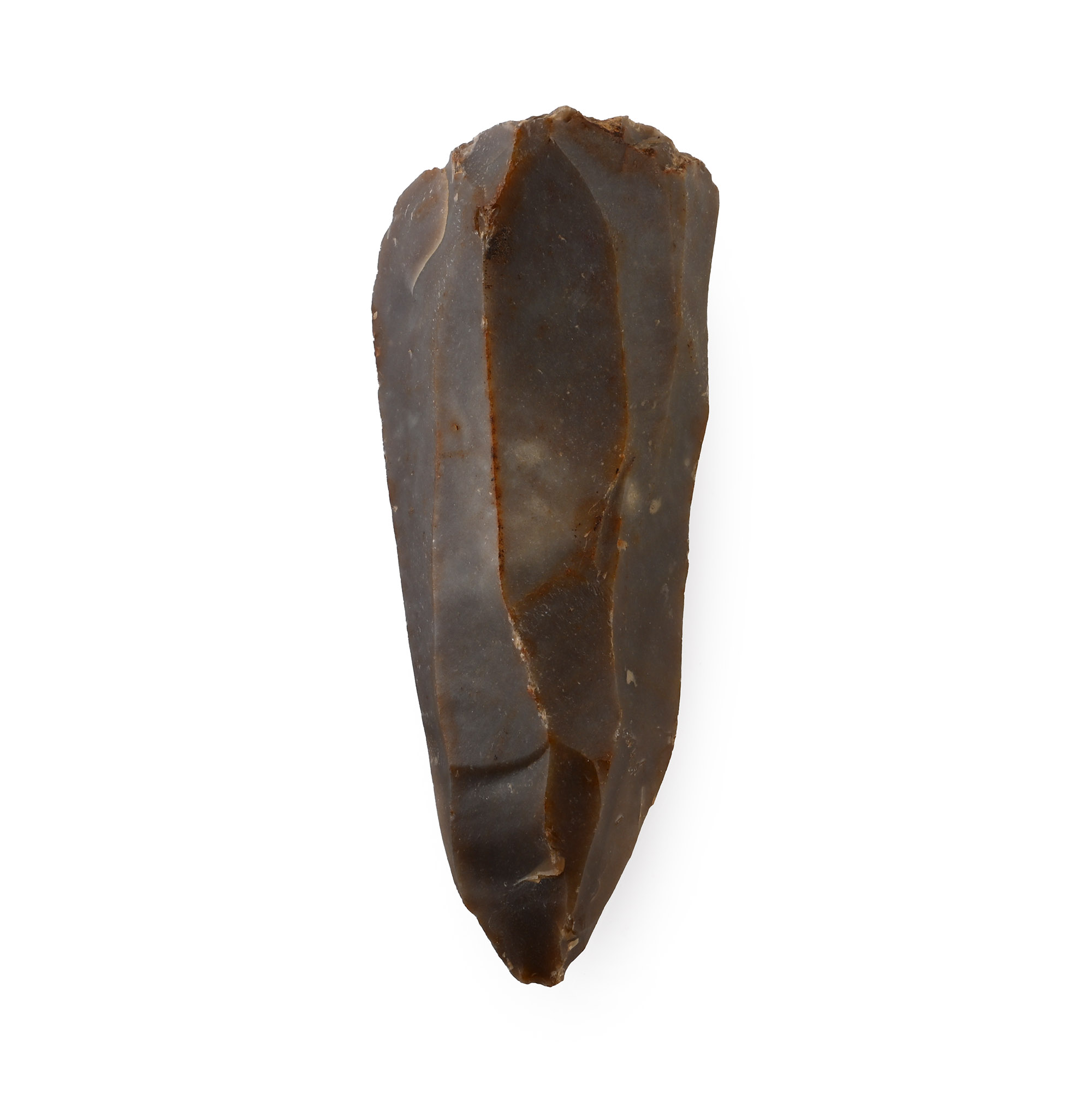
Pierrepont French Stone Age Barrel Blade Core
NEOLITHIC PERIOD, CIRCA 40,000-15,000 B.P.
3 5/8 in. (119 grams, 92.7 mm).
Columnar in form with vertical facetting, broad butt. [No Reserve]
ProvenanceFound Pierrepont, France.
Acquired on the UK art market in the 2020s.
From the private collection of an East Anglian, UK, specialist collector.
Blades have been removed from around the whole piece.
CONDITIONTimeLine Auctions follows a vetting process to ensure the authenticity and legality of all items, reinforcing our commitment to integrity and responsible trading. Each antiquity, antique, and coin lot undergoes thorough examination by a vetting committee of at least ten external specialists, professional trade association members, scientists, and archaeologists: Our Vetting Process
AUCTIONS:
TimeLine is a leading auction house specialising in antiquities, ancient art, collectables, natural history, coins, medals, and books. Our auctions offer museums, collectors, historians, and enthusiasts the opportunity to acquire unique and historically significant pieces.
LOT 2831
Pierrepont French Stone Age Barrel Blade Core
Estimate £30 - 40€35 - 46 (for guidance only)$41 - 54 (for guidance only)
Opening Bid
£5 (EUR 6; USD 7) +BP*
-
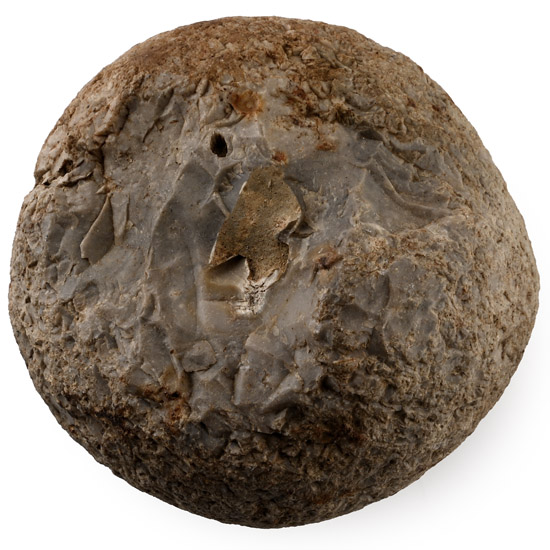
Staffordshire Stone Age Pecked Hammerstone
Neolithic Period, circa 5000-3500 B.P.Estimate: £60 - 80 (+bp*)
Opening Bid: £5
Spheroid in form with percussion damage to the underside, old onked legend 'Buley 3494'. 355 grams, 69 mm
Found near Buley, Litchfield, Staffordshire, UK. Ex Martin Doyle collection, Leverstock, UK, 1980s-2000s. -
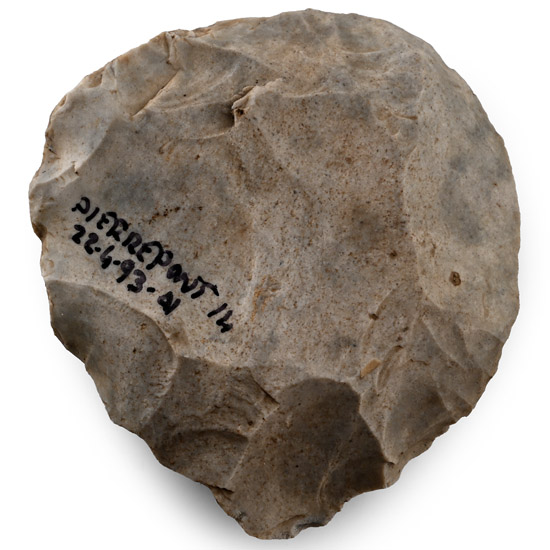
Pierrepont French Stone Age Neanderthal Knapped Flint Handaxe
Middle Palaeolithic Period, Mousterian, circa 60,000 B.P.Estimate: £60 - 80 (+bp*)
Opening Bid: £5
Cordate type with flake removed from centre of the underside; inked legend 'Pierrepont 14 / 22-4-93'. 69.5 grams, 61 mm
Found Pierrepont, Calvados, Normandy, France. Acquired on the UK art market in the 2020s. From a private collection.
Attributed to the Neanderthal man. An interesting example where the handaxe has also been used to strike off a flake across the middle of the reverse. This is sometimes seen during the Mousterian period and is a beneficial use of material when wanting to create a tool for the current job. The handaxe would have continued to be used and re- sharpened as normal. Dual-sided contrasting patina. -
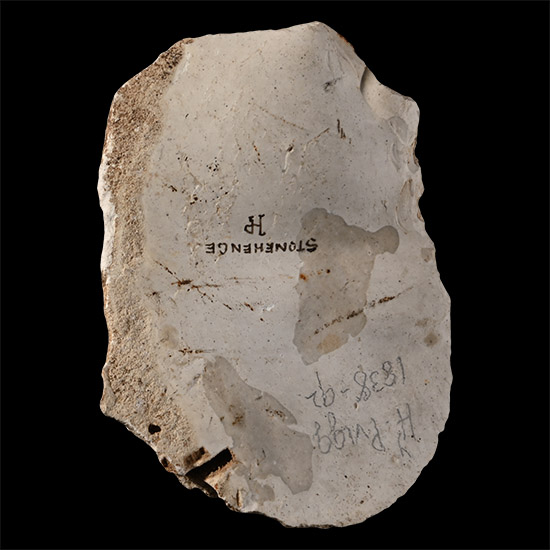
Stonehenge Flint Stone Age Scraper with H Prigg's 'HP' Monogram
Neolithic Period, circa 6,000 B.P.Estimate: £60 - 80 (+bp*)
Opening Bid: £5
Scraper with broad scooped edge; inked 'Stonehenge' and monogram, pencilled 'H Prigg 1838-92'. 26.3 grams, 55 mm
Found by H. Prigg (1838-1892) at Stonehenge. This scraper was gifted to Haselmere Parish Priest, Charles Borelli (c.1914-2000) of Farnham; who was part of the Borelli family from Italy who emigrated from Lake Como in 1828 to set up the Borelli family watch and jewellery business; thence by family descent to his nephew.
