
Loading, please wait...
LOT 0526
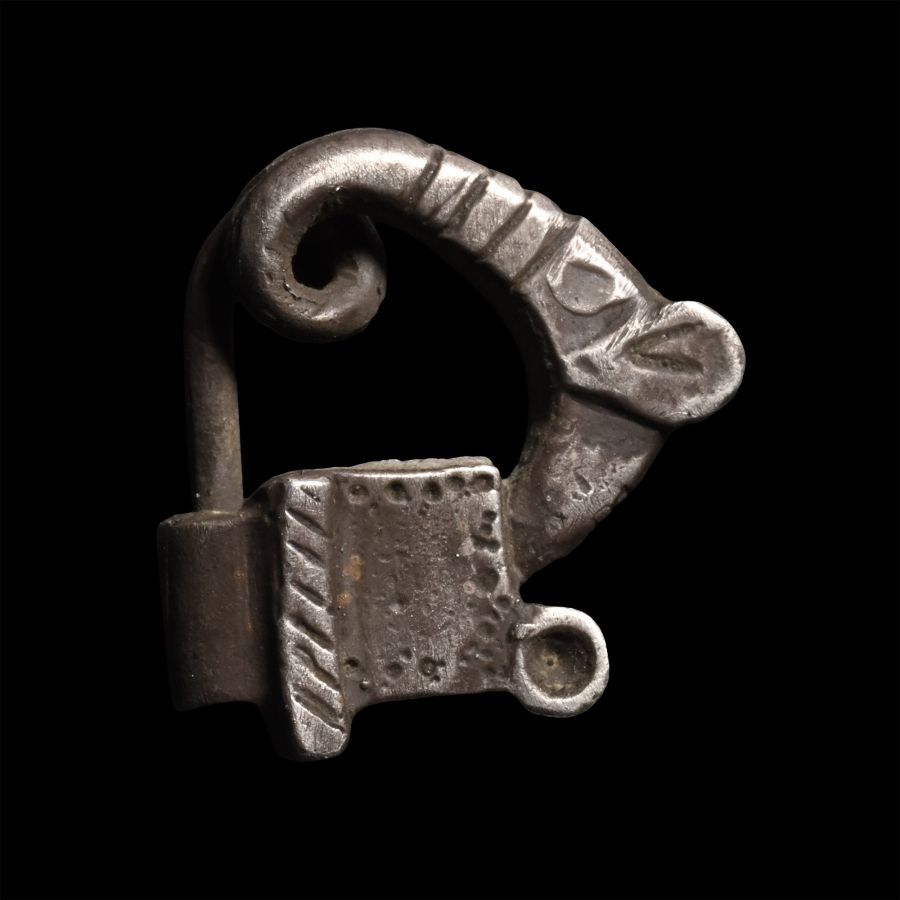
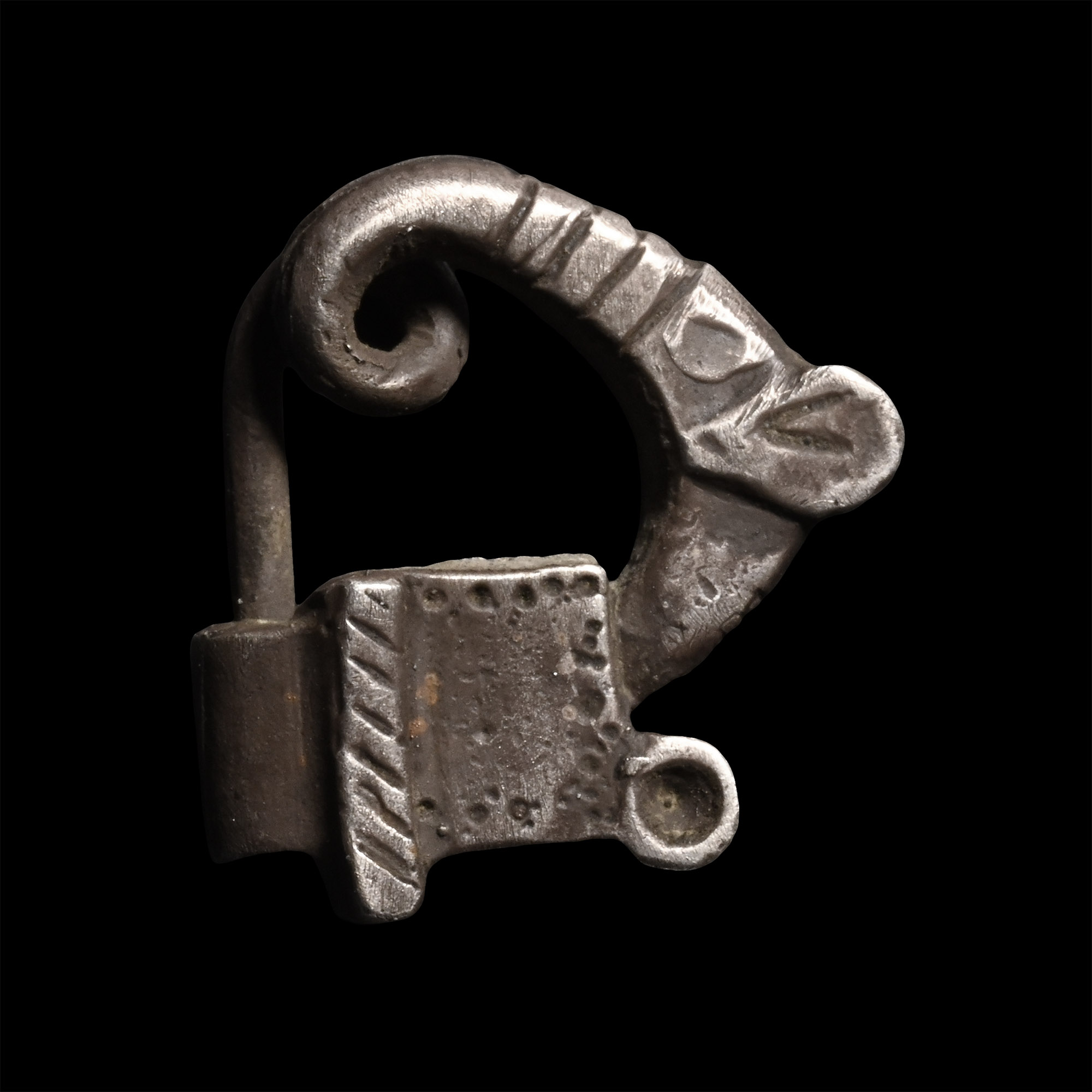
Phrygian Silver Bow Brooch
IRON AGE, CIRCA 8TH-7TH CENTURY B.C.
5/8 in. (2.93 grams, 16.12 mm).
The bow formed as a stylised animal with teardrop-shaped ears and a long, curving trunk extending as the pin, square footplate with a small loop. [No Reserve]
ProvenanceFrom the private collection of a European gentleman (1942-2024), formed since the 1970s.
CONDITIONTimeLine Auctions follows a vetting process to ensure the authenticity and legality of all items, reinforcing our commitment to integrity and responsible trading. Each antiquity, antique, and coin lot undergoes thorough examination by a vetting committee of at least ten external specialists, professional trade association members, scientists, and archaeologists: Our Vetting Process
AUCTIONS:
TimeLine is a leading auction house specialising in antiquities, ancient art, collectables, natural history, coins, medals, and books. Our auctions offer museums, collectors, historians, and enthusiasts the opportunity to acquire unique and historically significant pieces.
-
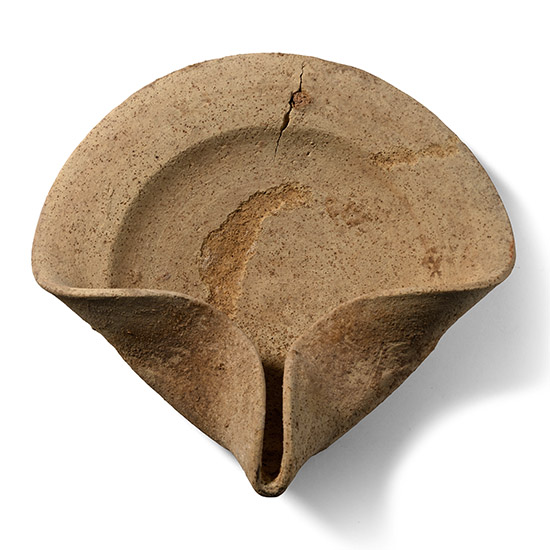
Greek Terracotta Cocked Hat Oil Lamp
Cyprus, circa 6th century B.C.Sold for (Inc. bp): £85
Wide, shallow body with folded rim. 85 grams, 12.1 cm
Private collection, Oxfordshire, UK, by direct descent from the collection of Judge George Cyril Griffith-Williams (1893-1983), Supreme Court Judge of the Colony of Cyprus; items having been collected in the 1930s and 1940s in Cyprus during his tenure there. -
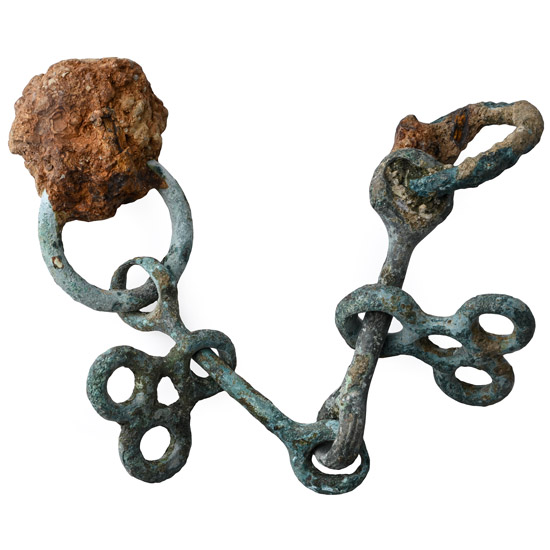
Villanovan Bronze Horse Bit
Iron Age, circa 8th century B.C.Sold for (Inc. bp): £845
A snaffle bit with a loop at each outer end with ferrous remains and a three-lobed strap junction attached to the straight mouth bars. 280 grams, 26.9 cm
From the private collection of a European gentleman (1942-2024), formed since the 1970s. -
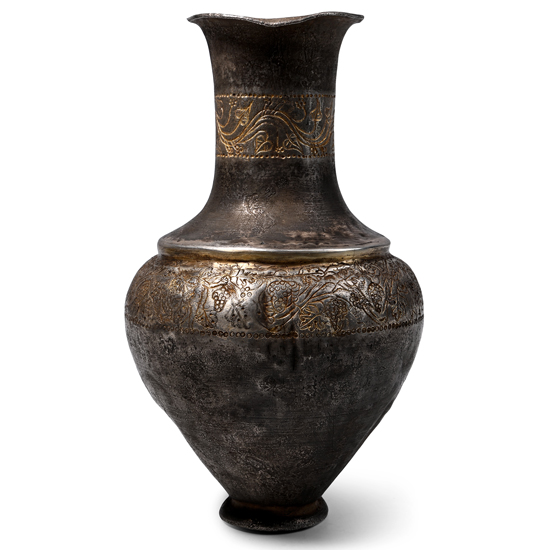
Greek Silver-Gilt Vase with Winged Putti Picking Grapes
Hellenistic, 2nd-1st century B.C.Sold for (Inc. bp): £2,340
Piriform in profile with flared foot and carinated ring at the shoulder, everted rim at the mouth; band of punched decoration on the neck with vinescrolls; similar band to the shoulder with bunches of grapes, tendrils and putti. 150 grams, 14.5 cm
Acquired on the US art market, early 1990s. Private collection, North America. Private collection, London, UK. This lot has been checked against the Interpol Database of stolen works of art and is accompanied by search certificate number no.13244-252968.
There is ample evidence that the princes of the Hellenistic world had a large appetite for expensive tableware. In a procession preceding games organised by the eccentric Antiochos IV Epiphanes (175-163 B.C.) in the Antiochene suburb of Daphne, 1000 silver vessels and 800 gold ones were carried. Kallixeinos of Rhodes reported the combined weight of gold and silver vessels displayed inside the pavilion of Ptolemy II Philadelphos as 10,000 talents, a weight of well over 200 tons.
