
Loading, please wait...
LOT 0551
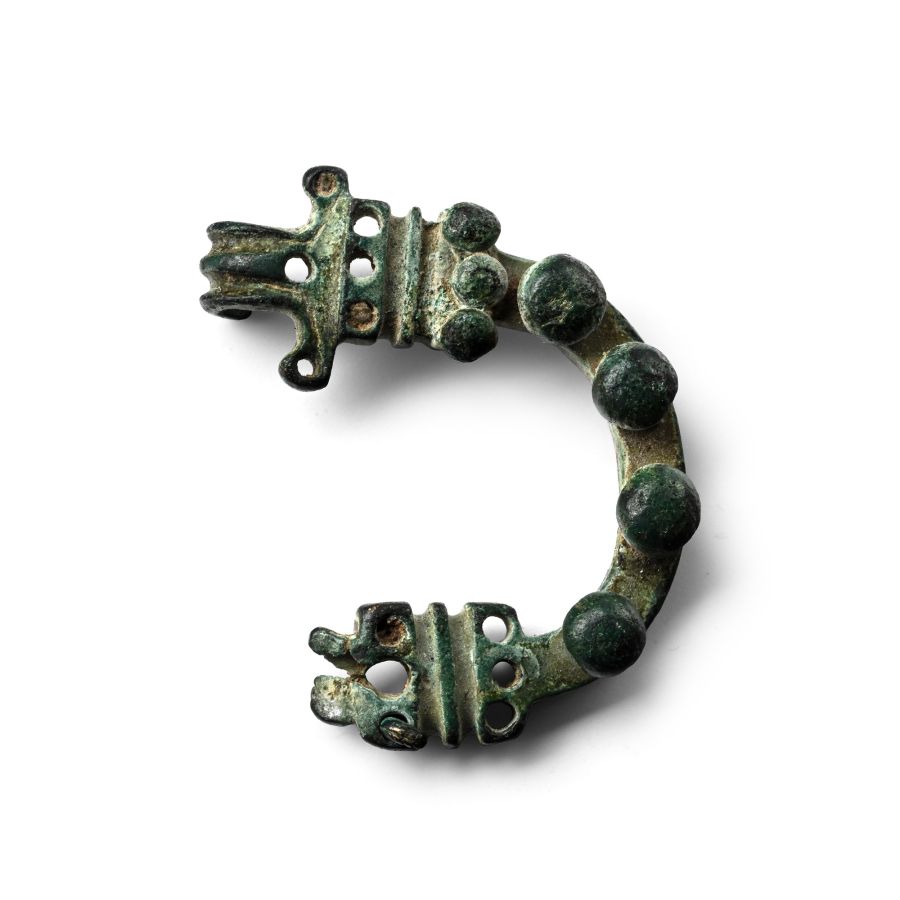
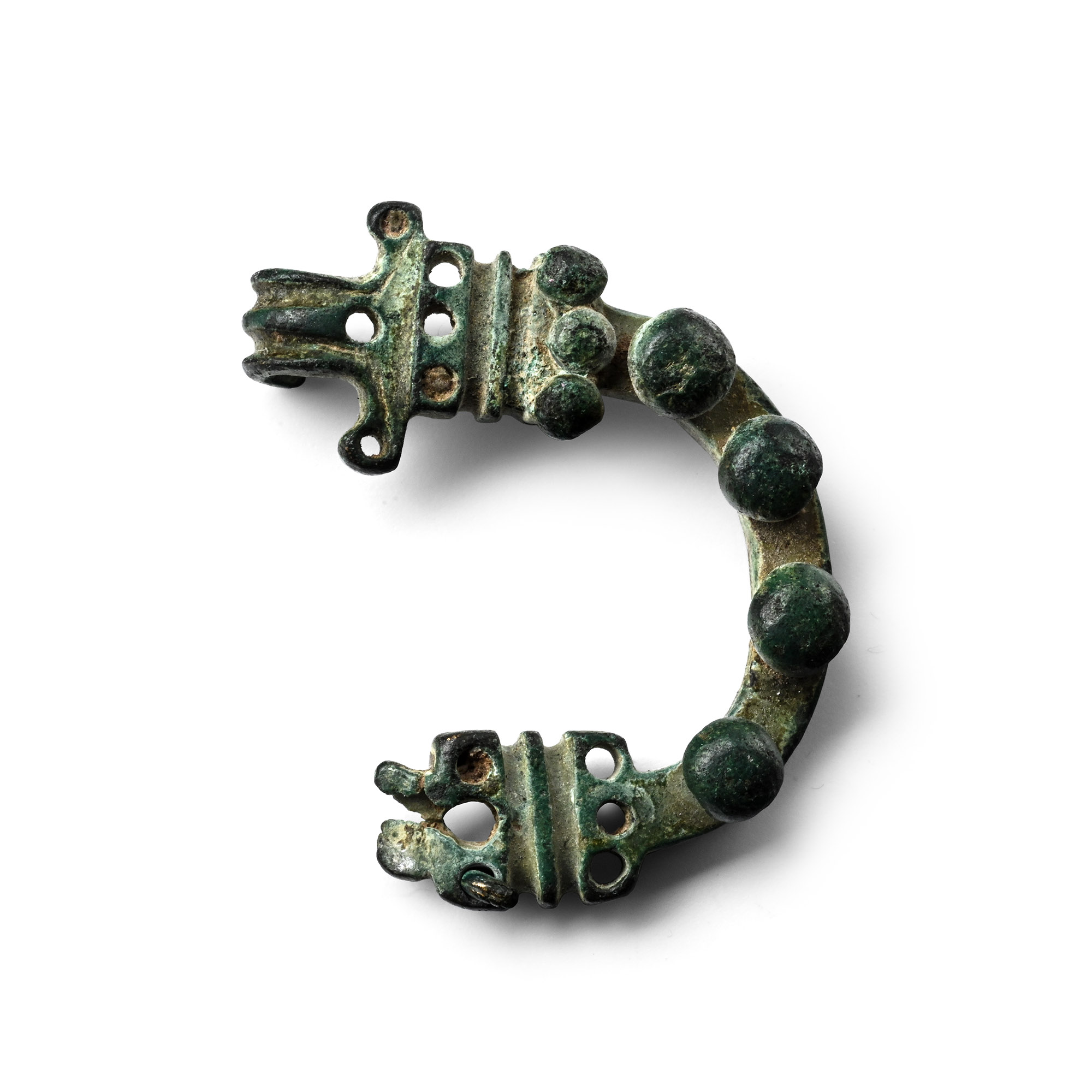
Phrygian Bronze Bow Brooch
IRON AGE, CIRCA 6TH CENTURY B.C.
1 3/8 in. (9.29 grams, 35.7 mm).
With crescentic body decorated with raised bosses, a curved catch to one arm and remains of a coiled spring to the other. [No Reserve]
ProvenanceFrom the private collection of a European gentleman (1942-2024), formed since the 1970s.
CONDITIONTimeLine Auctions follows a vetting process to ensure the authenticity and legality of all items, reinforcing our commitment to integrity and responsible trading. Each antiquity, antique, and coin lot undergoes thorough examination by a vetting committee of at least ten external specialists, professional trade association members, scientists, and archaeologists: Our Vetting Process
AUCTIONS:
TimeLine is a leading auction house specialising in antiquities, ancient art, collectables, natural history, coins, medals, and books. Our auctions offer museums, collectors, historians, and enthusiasts the opportunity to acquire unique and historically significant pieces.
-
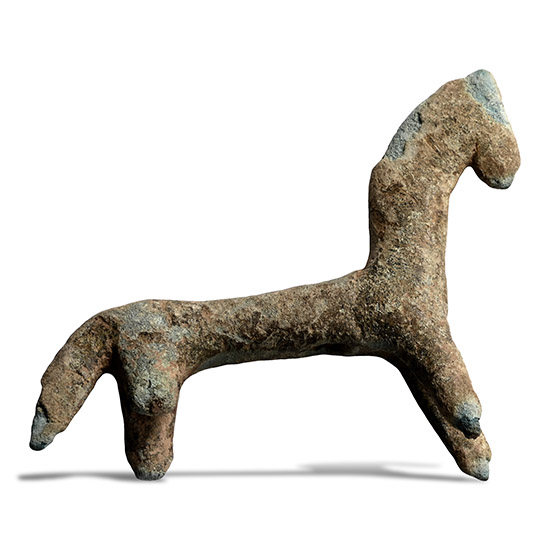
Greek Bronze Statuette of a Horse
Anatolia, circa 5th-3rd century B.C.Sold for (Inc. bp): £234
Modelled in the round with vertical piercing at the chest. 18.75 grams, 62.08 mm
Ex Abelita family collection, 1980s-2000s. -
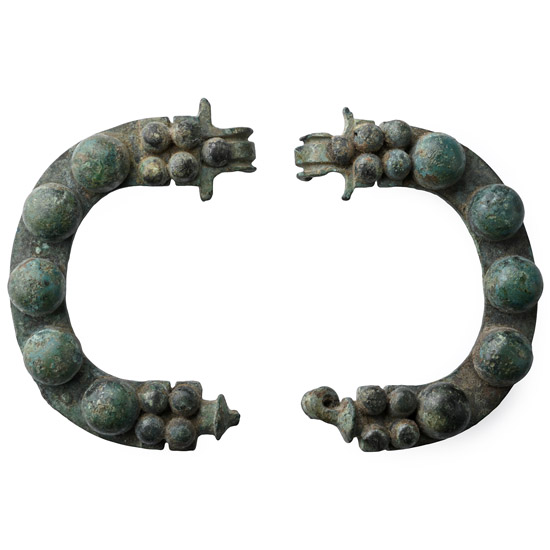
Phrygian Bronze Bow Brooch Pair
Iron Age, circa 8th-7th century B.C.Sold for (Inc. bp): £143
A matched pair with crescentic body, curved catch to one arm and remains of coiled spring to the other; domed studs attached to the arch through prepared holes. 108 grams total, 76 mm
From the private collection of a European gentleman (1942-2024), formed since the 1970s. -
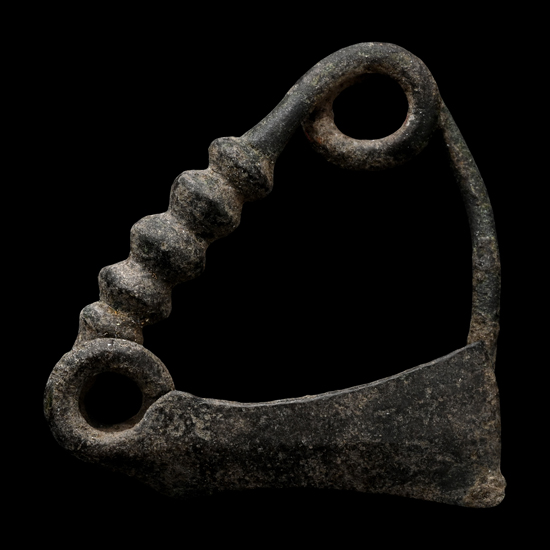
Greek Bronze Bow Brooch
Circa 7th century B.C.Sold for (Inc. bp): £72
Comprising a corrugated bow with coil to each end, one extending to the spring and the other to a broad plate with a catch at the lower end. 11.19 grams, 42.09 mm.
From the private collection of a European gentleman (1942-2024), formed since the 1970s.
