
Loading, please wait...
LOT 0566
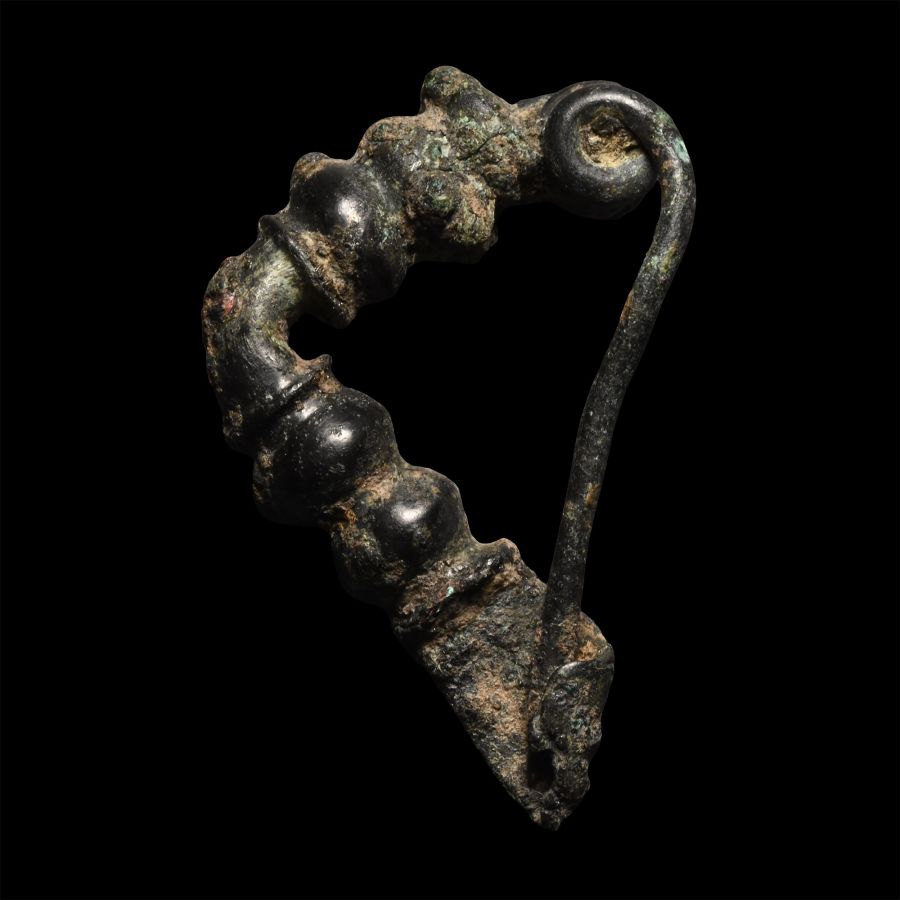
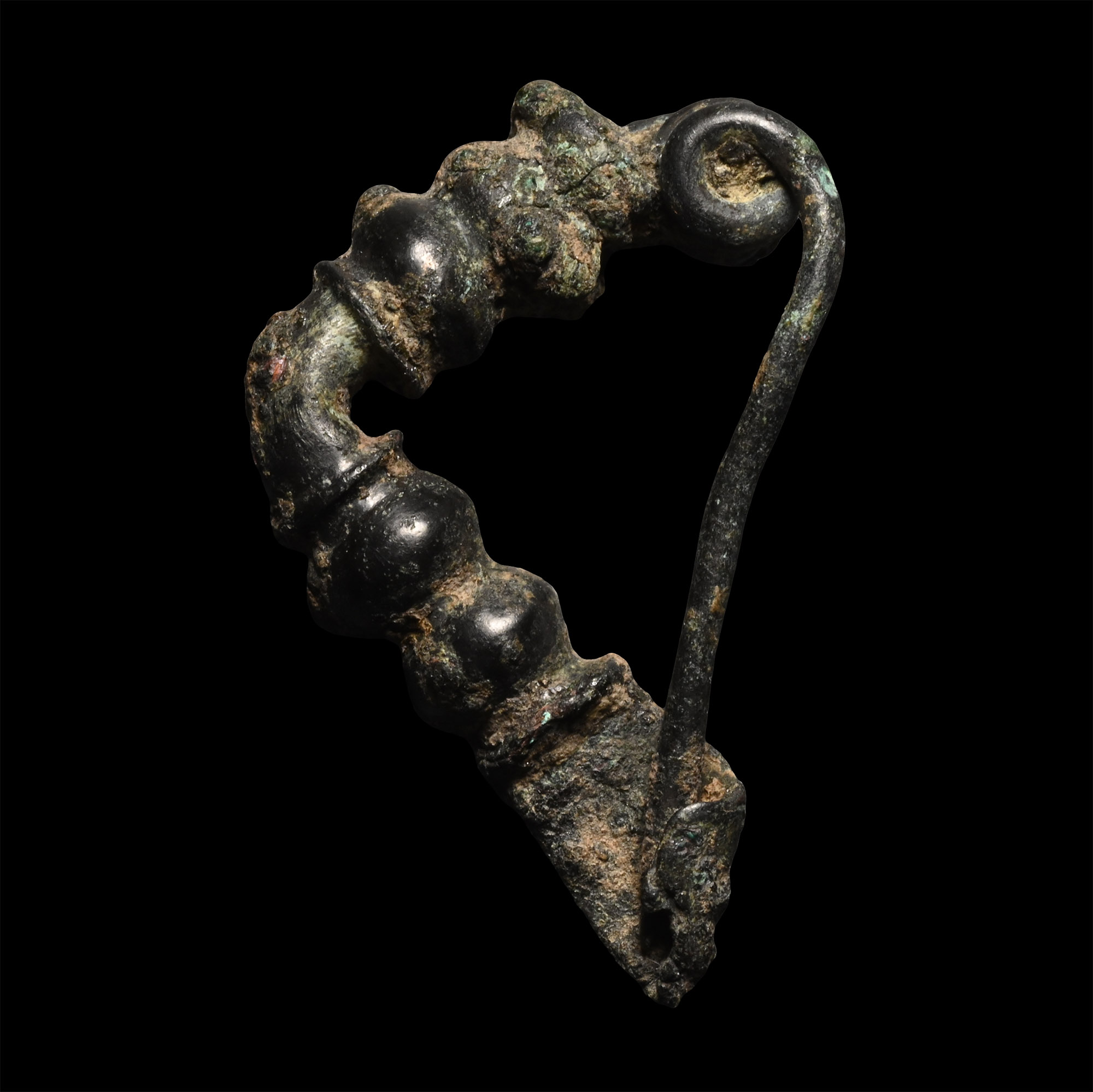
Phrygian Bronze Bow Brooch
IRON AGE, CIRCA 8TH-7TH CENTURY B.C.
1 3/8 in. (9.1 grams, 35 mm).
With a right-angled, round-section bow with two pairs of bulbs, a hand-shaped catch. [No Reserve]
ProvenanceFrom the private collection of a European gentleman (1942-2024), formed since the 1970s.
CONDITIONTimeLine Auctions follows a vetting process to ensure the authenticity and legality of all items, reinforcing our commitment to integrity and responsible trading. Each antiquity, antique, and coin lot undergoes thorough examination by a vetting committee of at least ten external specialists, professional trade association members, scientists, and archaeologists: Our Vetting Process
AUCTIONS:
TimeLine is a leading auction house specialising in antiquities, ancient art, collectables, natural history, coins, medals, and books. Our auctions offer museums, collectors, historians, and enthusiasts the opportunity to acquire unique and historically significant pieces.
-
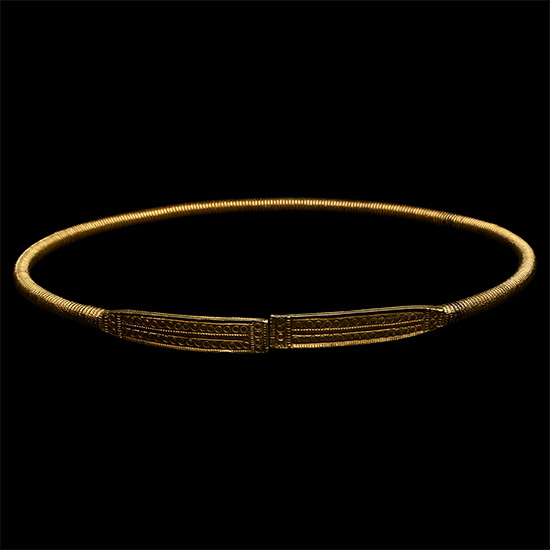
Scythian Gold-Clad Ribbed Torc with Decorated Terminals
4th-3rd century B.C.Sold for (Inc. bp): £9,360
Round in section with ribbing, rectangular finials with billeting to the borders and edges, and rows of impressed roundels. 481 grams, 28 cm
Private collection, Wagner family, Germany, 1955. Private collection, London. This lot has been checked against the Interpol Database of stolen works of art and is accompanied by a search certificate number no.12389-226870. -
.jpg)
Greek Agate Gemstone with Running Hound
Circa 300-200 B.C.Sold for (Inc. bp): £59
With intaglio running hound; chipped; supplied with a museum-quality impression. 0.53 grams, 11.01 mm
From the private collection of a European gentleman (1942-2024), formed since the 1970s. -
.jpg)
Greek Gold and Bead Drop Earrings
Hellenistic, 2nd-1st century B.C.Estimate: £8,000 - 10,000 (‡+bp*)
Opening Bid: £4,000
Matched pair of hooked wire earrings, each with an inset cabochon, articulated dangles and other ornaments. 5.15 grams total, 46 mm each
Private American collection, 1970s-1980s. with Robert Haber, New York, USA, circa 1990s. Private collection, Europe. Accompanied by a copy of an Art Loss Register certificate, 8 September 2004. This lot has been checked against the Interpol Database of stolen works of art and is accompanied by search certificate number no.13187-249264.
This pair belongs to the Hellenistic group of earrings with pendants, a broad group including pendants shaped as amphorae, birds, erotes and other exotic elements. Most of them come from sites around the Aegean or the Eastern Mediterranean and were probably produced in workshops in these regions. They usually date from the 2nd to the 1st centuries B.C.
