
Loading, please wait...
LOT 0591
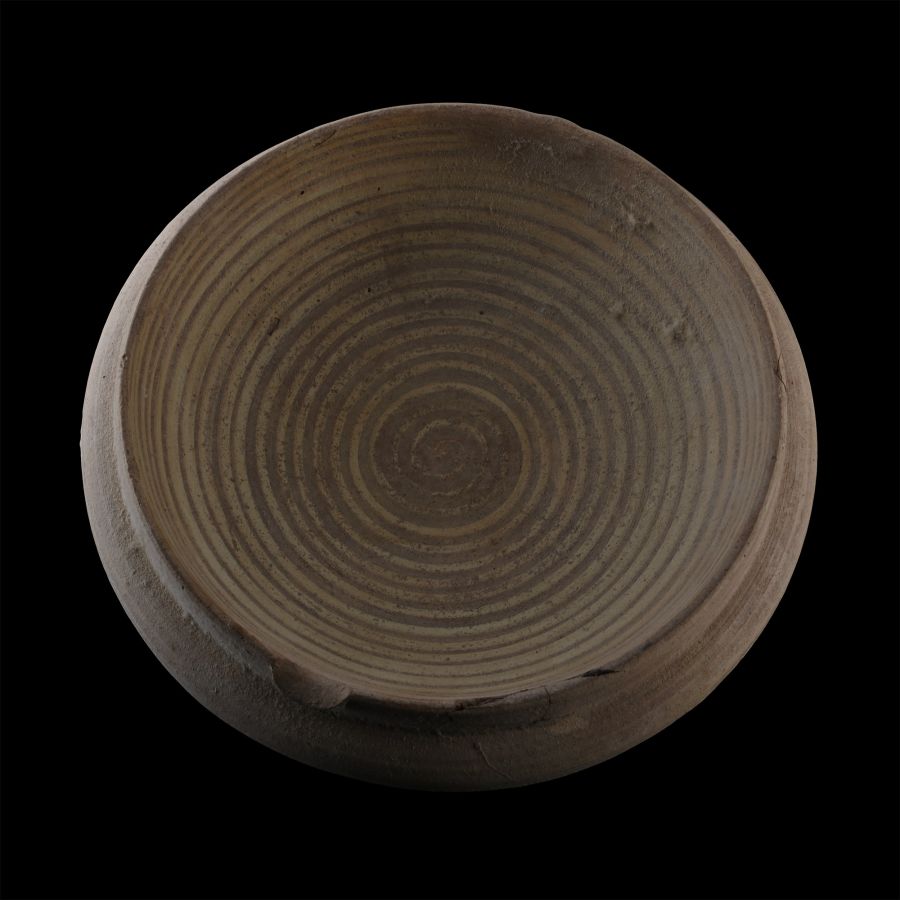
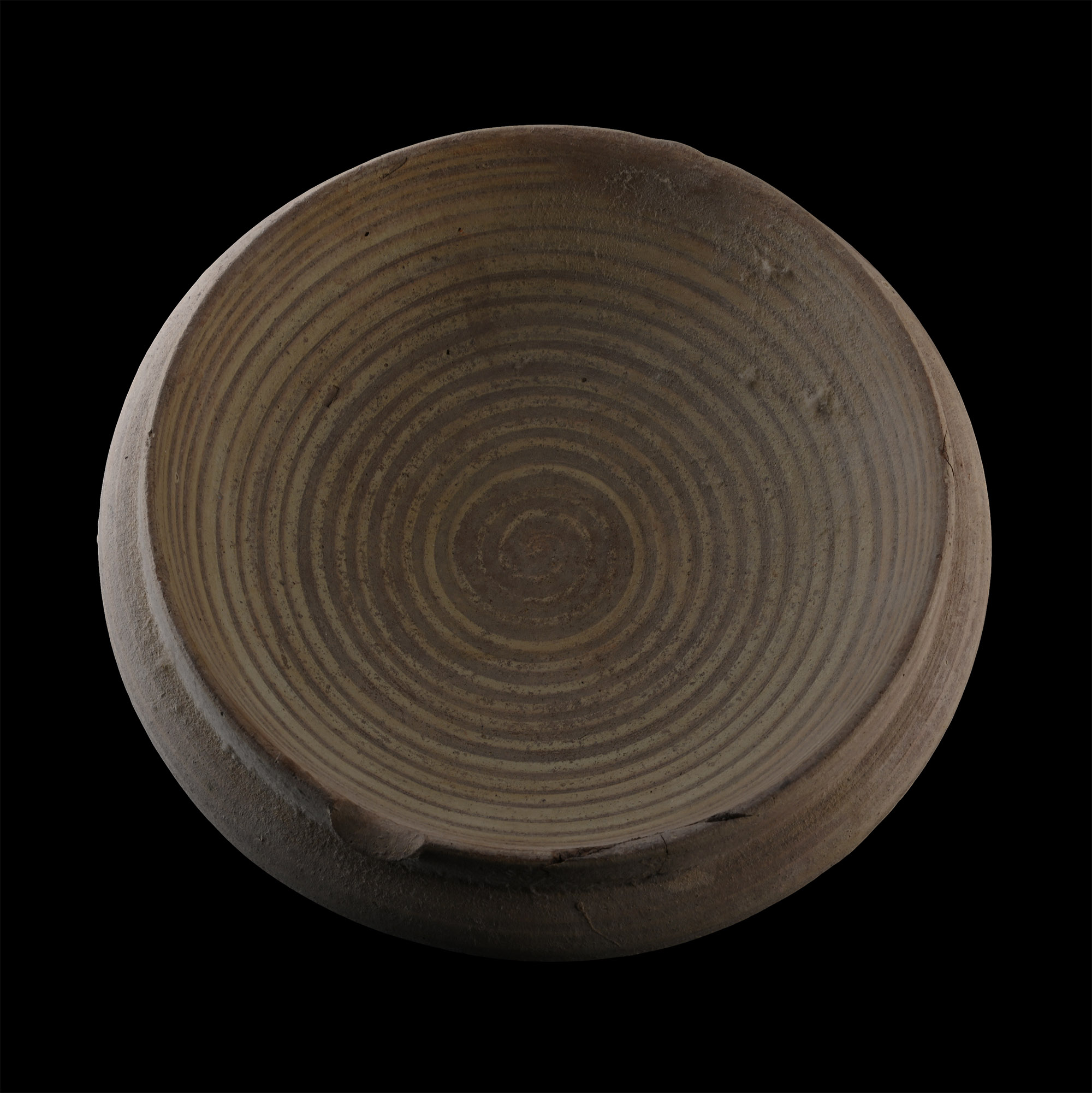
Phoenicio-Punic Terracotta Mortarium
CIRCA 100 B.C.
8 1/4 in. (620 grams, 21 cm).
Comprising a wide, shallow body and a shallow rim, a curved flange below the rim, and spiral decoration on the inside. [No Reserve]
ProvenanceFrom the private collection of Mr Brian Edwards, New Malden, Surrey, UK, formed from the late 1970s-early 1980s; thence by descent.
Accompanied by the original collector's data sheet with reference no.A84.
TimeLine Auctions follows a vetting process to ensure the authenticity and legality of all items, reinforcing our commitment to integrity and responsible trading. Each antiquity, antique, and coin lot undergoes thorough examination by a vetting committee of at least ten external specialists, professional trade association members, scientists, and archaeologists: Our Vetting Process
AUCTIONS:
TimeLine is a leading auction house specialising in antiquities, ancient art, collectables, natural history, coins, medals, and books. Our auctions offer museums, collectors, historians, and enthusiasts the opportunity to acquire unique and historically significant pieces.
-
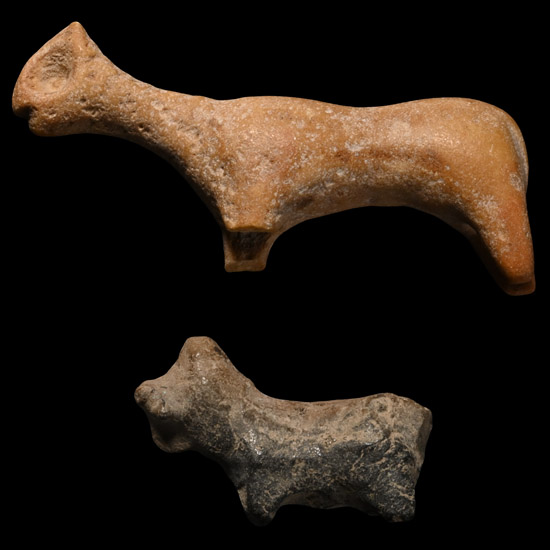
Etruscan Stone Animal Figure Group
Circa 6th century B.C.Sold for (Inc. bp): £65
Comprising two stylised figures, one with an elongated body and one with a stocky body. 11.3 grams total, 26.3-46 mm
From the private collection of a European gentleman (1942-2024), formed since the 1970s. -
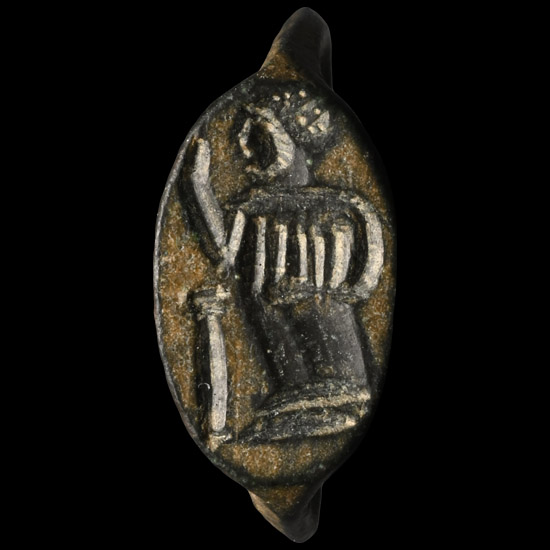
Greek Bronze Ring with Standing Goddess
Circa 4th-2nd century B.C.Sold for (Inc. bp): £130
Comprising a slender round-section hoop and a lentoid bezel with a standing goddess before a pillar. 1.92 grams, 16.72 mm overall, 13.16x15.37 mm internal diameter (approximate size British G, USA 3 1/4, Europe 4.92, Japan 4)
From the private collection of a European gentleman (1942-2024), formed since the 1970s. -
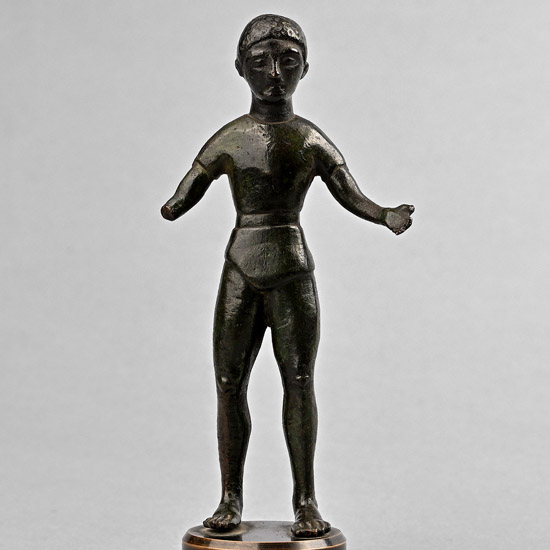
Iberian Bronze Statuette of Youth
6th-4th century B.C.Estimate: £2,500 - 3,500 (‡+bp*)
Opening Bid: £1,333
Youthful male standing, wearing a belted tunic with apron, arms spread wide, barefoot, bare-headed with short textured hair; mounted on a custom-made base. 215 grams total, 11.8 cm high including stand
Private collection, Paris, France, assembled in the 1950s-1960s. with Tessier-Sarrou & Associés, Paris, 2015. European private collection. Accompanied by a copy of an Art Loss Register certificate, no.S00107108. Accompanied by a copy of French cultural export passport no.167803. This lot has been checked against the Interpol Database of stolen works of art and is accompanied by a search certificate number no.12650-264612.
