
Loading, please wait...


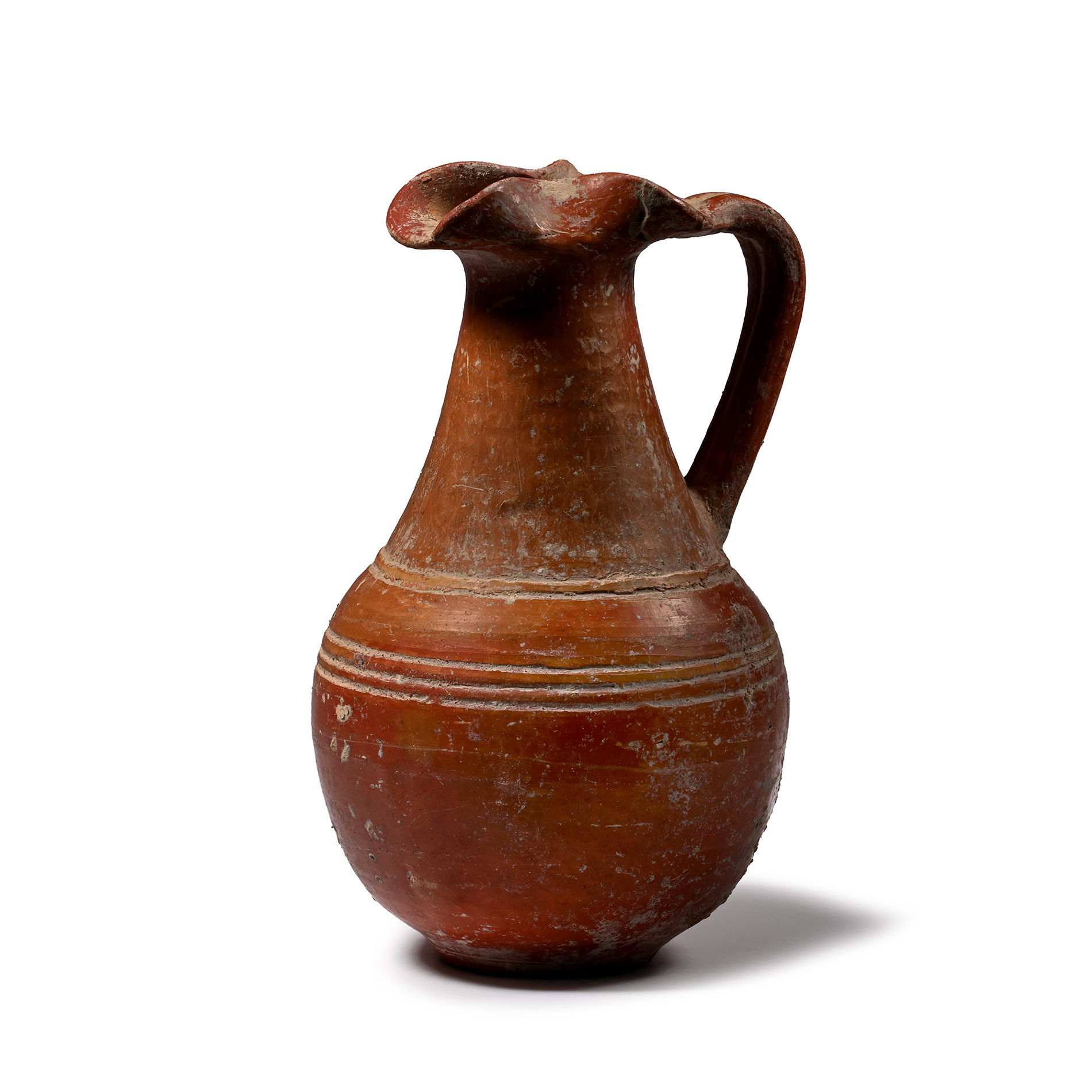
LOT 0511
Phoenician Terracotta Jug with Handle
CIRCA 8TH CENTURY B.C.
7 1/4 in. (395 grams, 18.5 cm).
Globular body decorated with circumferential banding, low foot, conical neck with pinched spout, strap handle to the rear.
ProvenanceAcquired in the mid 1980s-1990s.
Private collection, Switzerland, thence by descent.
Private collection, since the late 1990s.
TimeLine Auctions follows a vetting process to ensure the authenticity and legality of all items, reinforcing our commitment to integrity and responsible trading. Each antiquity, antique, and coin lot undergoes thorough examination by a vetting committee of at least ten external specialists, professional trade association members, scientists, and archaeologists: Our Vetting Process
AUCTIONS:
TimeLine is a leading auction house specialising in antiquities, ancient art, collectables, natural history, coins, medals, and books. Our auctions offer museums, collectors, historians, and enthusiasts the opportunity to acquire unique and historically significant pieces.
-
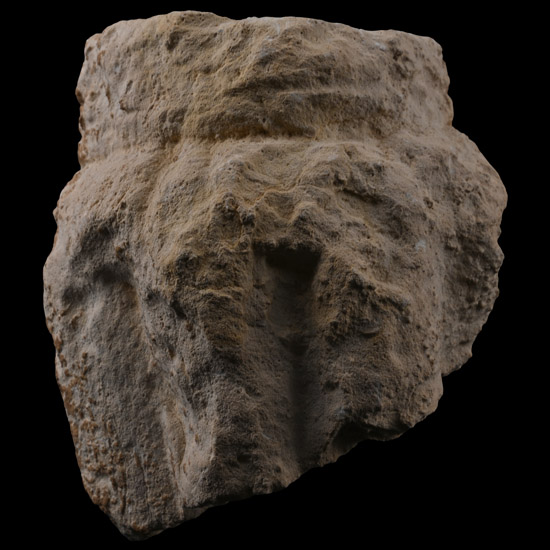
Graeco-Roman Stone Column Section
Late 1st century B.C.-early 1st century A.D.Sold for (Inc. bp): £26
A section showing tightly wrapped lotus petals. 492 grams, 95 mm
From the late collection of a Cornish couple formed from the early 1990s. -
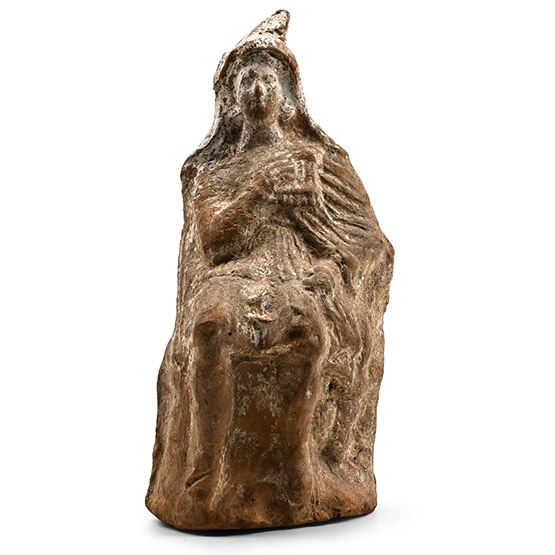
Greek Terracotta Seated Pan
Circa 400 B.C.Sold for (Inc. bp): £546
Hollow-formed statue showing a young pan wearing a short tunic and hooded cloak, holding pipes in his right hand; rectangular slot on the reverse. 205 grams, 15.8 cm
Private collection Mr T.B., Zürich, Switzerland, before 1970. with Galerie Rhéa, Zurich, Switzerland. -
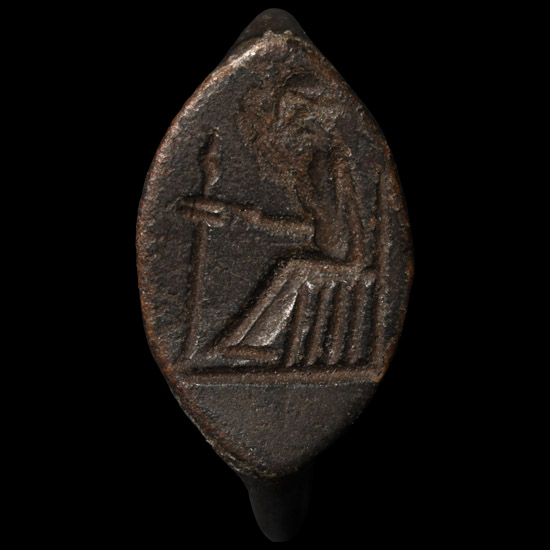
Large Greek Bronze Ring with Seated Figure
Circa 4th-2nd century B.C.Sold for (Inc. bp): £182
Featuring a slender round-section hoop and a large lentoid bezel with a seated figure holding a staff. 3.41 grams, 25.02 mm overall, 15.70 x 20.51 mm internal diameter (approximate size British O, USA 7, Europe 14.98, Japan 14)
From the private collection of a European gentleman (1942-2024), formed since the 1970s.
