
Loading, please wait...
LOT 0470
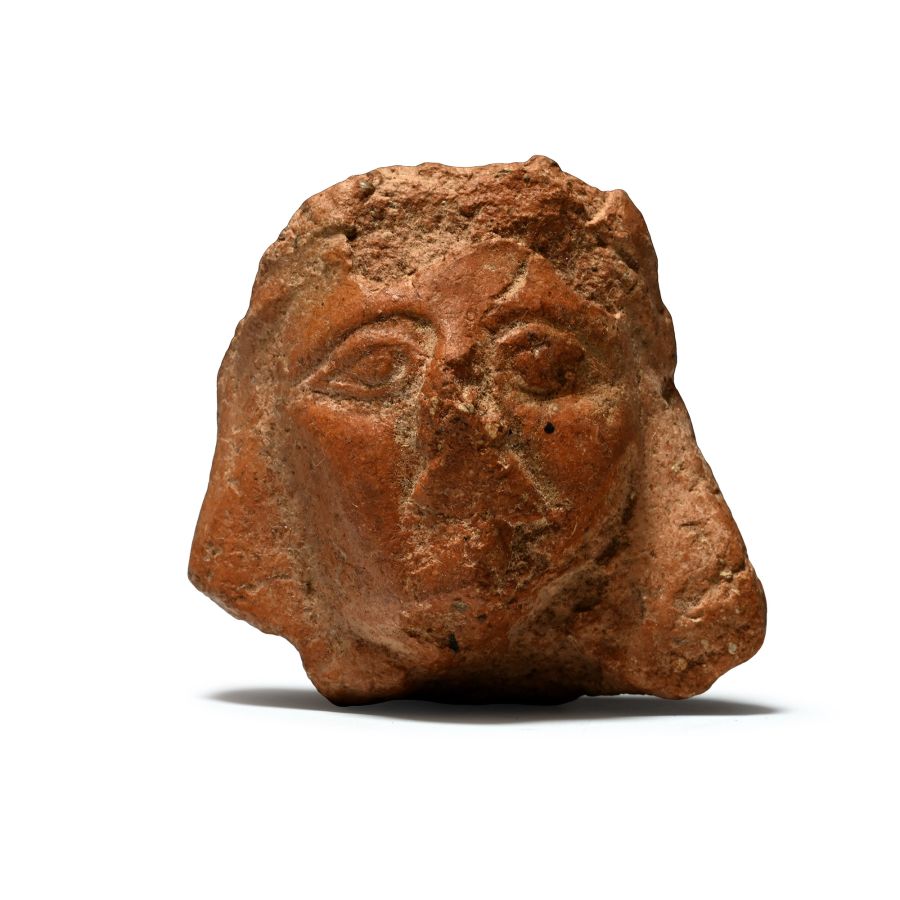
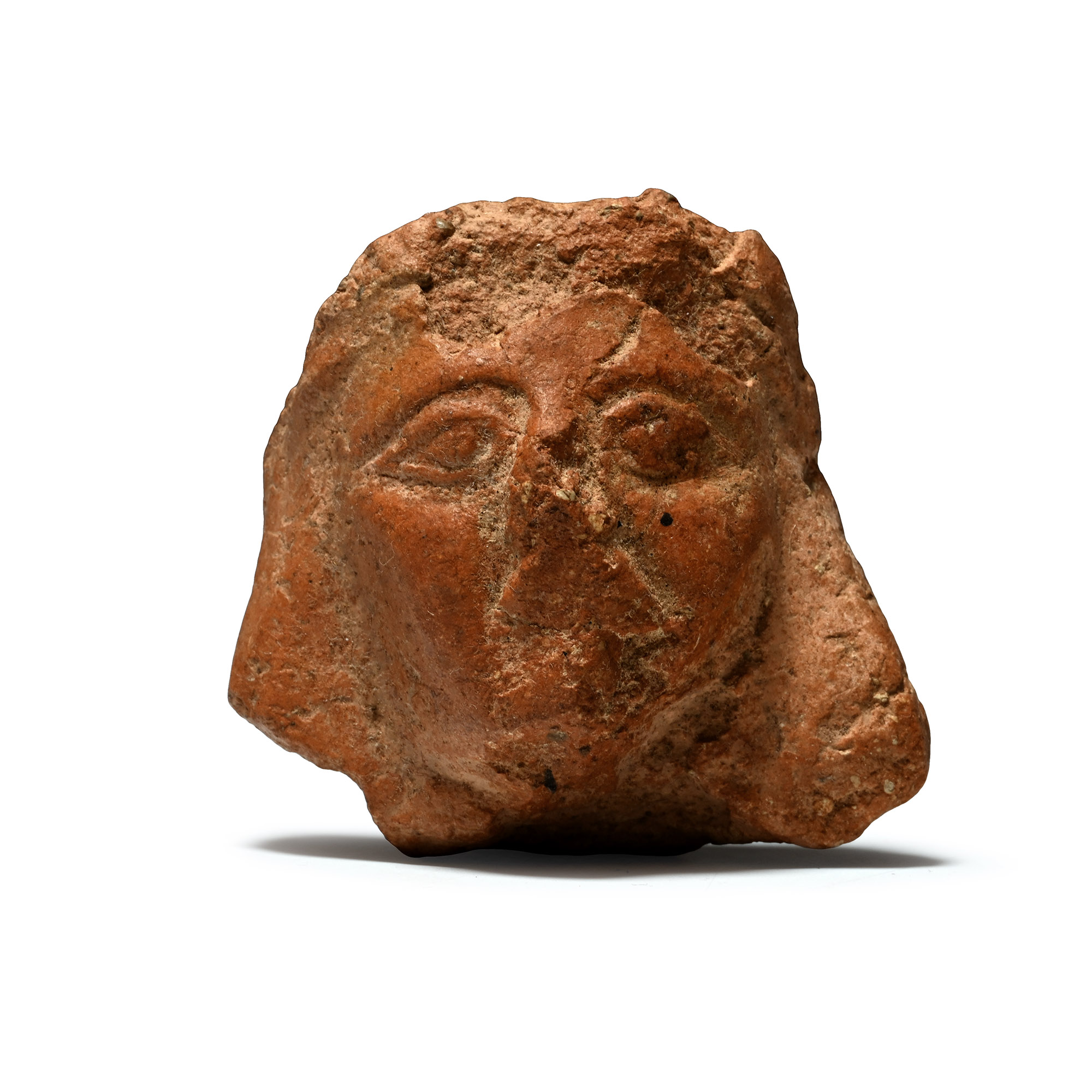
Phoenician Terracotta Head
6TH-5TH CENTURY B.C.
2 1/4 in. (65 grams, 58 mm).
Tongue-shaped fragment depicting a figure with almond-shaped eyes and wearing a headdress. [No Reserve]
ProvenanceFrom the private collection of a European gentleman (1942-2024), formed since the 1970s.
LiteratureCf. Moscati, S., I Fenici Milano, 1988, p.150, for a similar statuette from Amrit.
CONDITIONTimeLine Auctions follows a vetting process to ensure the authenticity and legality of all items, reinforcing our commitment to integrity and responsible trading. Each antiquity, antique, and coin lot undergoes thorough examination by a vetting committee of at least ten external specialists, professional trade association members, scientists, and archaeologists: Our Vetting Process
AUCTIONS:
TimeLine is a leading auction house specialising in antiquities, ancient art, collectables, natural history, coins, medals, and books. Our auctions offer museums, collectors, historians, and enthusiasts the opportunity to acquire unique and historically significant pieces.
-
.jpg)
Egyptian Diorite Heart Scarab
Late Period, 664-332 B.C.Sold for (Inc. bp): £1,170
Finely carved, with naturalistic detailing to the upper body, legs shown folded beneath the body with suspension loop at centre. 7.5 grams, 25 mm
From a 20th century UK collection.
The Egyptians saw the scarab as a symbol of renewal and rebirth. The beetle was associated with the sun god because scarabs roll large balls of dung in which to lay their eggs, a behaviour that the Egyptians thought resembled the progression of the sun through the sky from east to west. Scarab amulets were used for their magical rejuvenating properties by both the living and the dead. The regenerative powers of scarabs, such as the one offered here, could be used by either the living or the dead for healing and protection. -
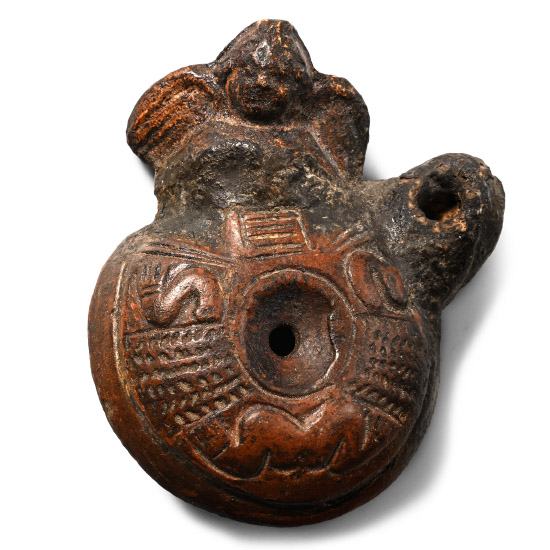
Romano-Egyptian Terracotta Oil Lamp with Eros
Roman Period, 1st-3rd century A.D.Sold for (Inc. bp): £228
Domed body with a small filler hole surrounded by bands of herringbone decoration and zoomorphic motifs, a projecting winged bust of Eros flanking the nozzle, inked collector's number '179' on the base. 68 grams, 85 mm
Ex important German collection, 1960-1990. -
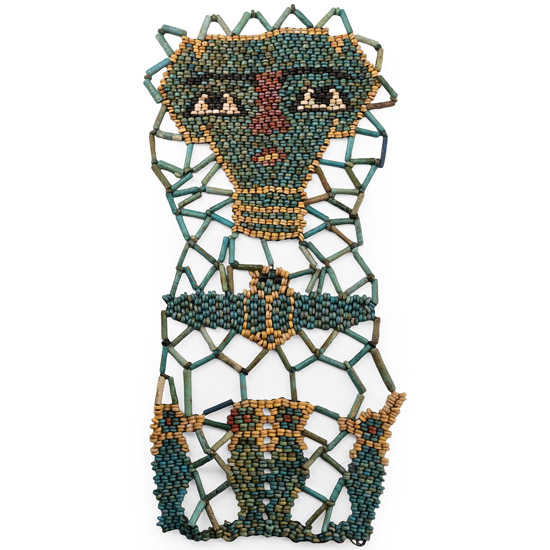
Egyptian Faience Mummy Bead Mask
Late Period-Ptolemaic Period, circa 664-30 B.C.Sold for (Inc. bp): £546
Openwork beaded panel depicting a mummy mask with tripartite beard, a winged scarab below with the Four Sons of Horus, Hapy, Imsety, Qebehsenuef, and Duamutef below; restrung. 40.7 grams, 22 cm
From the collection of Mariaud de Serres, Paris, France, 1980s-1990s. Accompanied by a previously illustrated catalogue card with provenance.
