
Loading, please wait...
LOT 0626
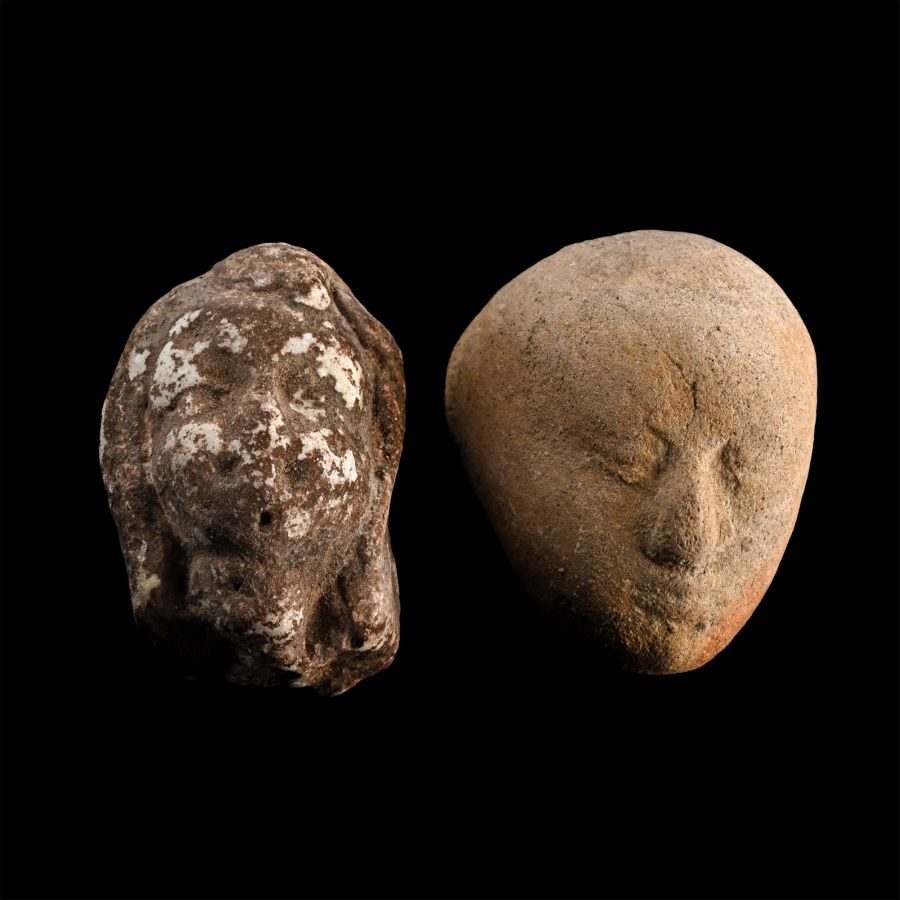
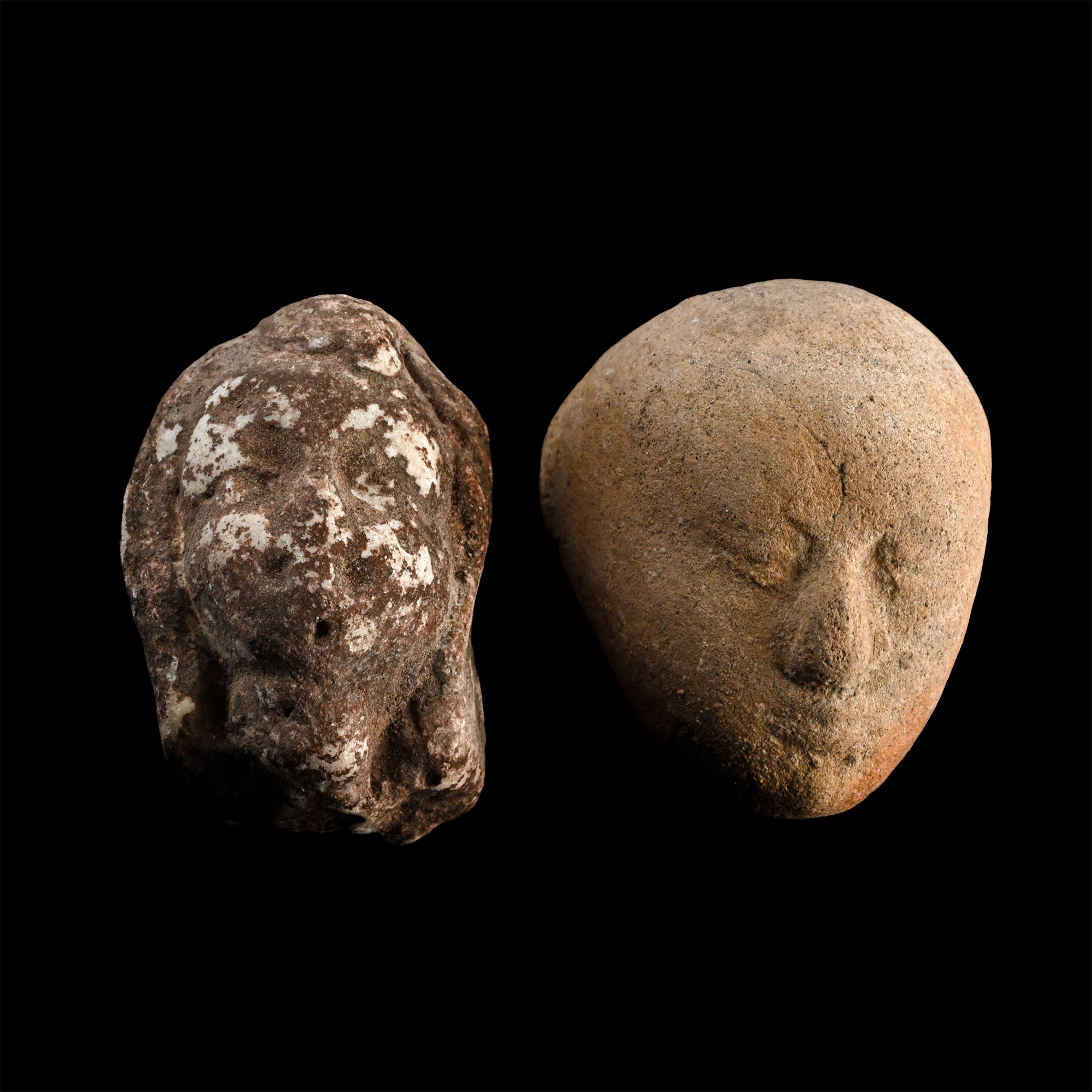
Phoenician Terracotta Head Group
MID 1ST MILLENNIUM B.C.
1 1/4 in. (28.5 grams total, 33-34 mm).
One mould formed with shoulder-length hair and puffy features; the other hollow to the reverse. [2, No Reserve]
ProvenanceFrom the private collection of a European gentleman (1942-2024), formed since the 1970s.
CONDITIONTimeLine Auctions follows a vetting process to ensure the authenticity and legality of all items, reinforcing our commitment to integrity and responsible trading. Each antiquity, antique, and coin lot undergoes thorough examination by a vetting committee of at least ten external specialists, professional trade association members, scientists, and archaeologists: Our Vetting Process
AUCTIONS:
TimeLine is a leading auction house specialising in antiquities, ancient art, collectables, natural history, coins, medals, and books. Our auctions offer museums, collectors, historians, and enthusiasts the opportunity to acquire unique and historically significant pieces.
LOT 0626
Phoenician Terracotta Head Group
Estimate £50 - 70€58 - 81 (for guidance only)$68 - 95 (for guidance only)
-
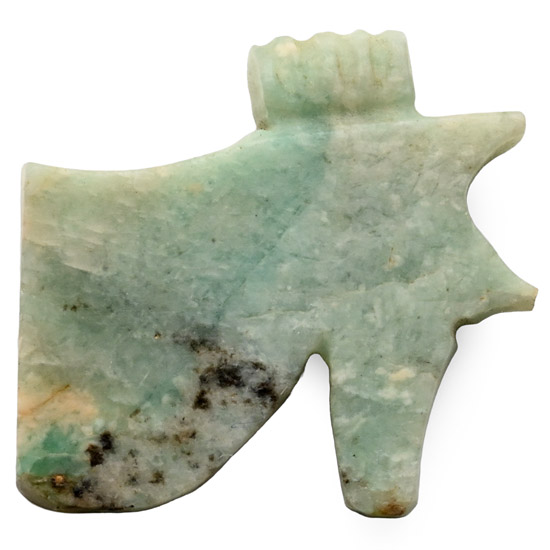
Egyptian Feldspar Eye of Horus Amulet
Late Period, 664-332 B.C.Estimate: £100 - 140 (+bp*)
Bids: 1 | Current Bid: £5
Carved from light-green feldspar, with a ribbed suspension loop above. 1.78 grams, 17 mm
London, UK, art market, 1980s. Private collection, London, UK. -
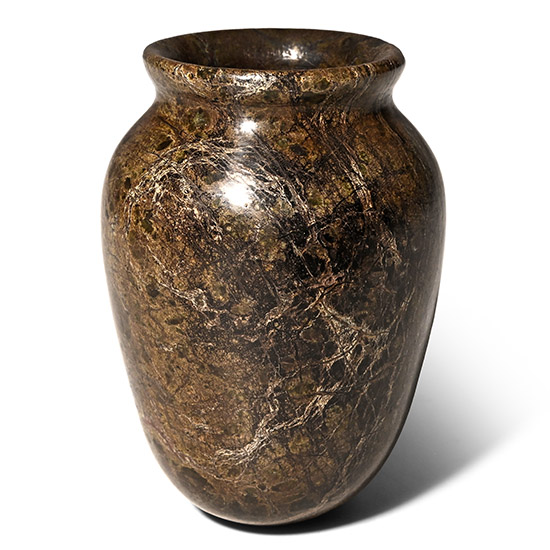
Egyptian Stone Round-Bottomed Kohl Jar
Naqada II-III Period, circa 3500-3000 B.C. or laterEstimate: £400 - 600 (+bp*)
Bids: 1 | Current Bid: £200
Ovoid in profile with flared rim to the mouth. 179 grams, 78 mm
Ex Belinda Elliston collection, a member of the Egyptian Exploration Society, 1940s onwards. -
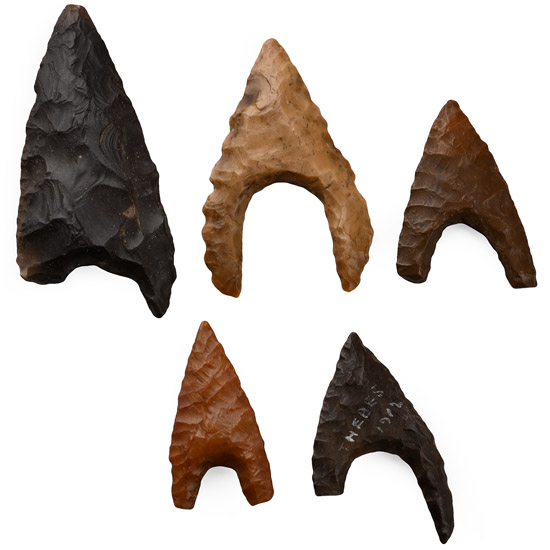
Egyptian Stone Age Knapped Arrowhead Group from Thebes
Neolithic Period, 11,000-5,200 B.P.Estimate: £150 - 200 (+bp*)
Bids: 2 | Current Bid: £25
Comprising five barbed types, two with chipped barbs; accompanied with a handwritten tag reading 'Neolithic hollow-based arrowheads. Fayuum type. c.5000 BC'. 24.8 grams total, 33-58 mm
Found Thebes. From the collection of A.D. Passmore (1879-1958), his collection of flints from the area of Stonehenge was donated to the Ashmolean Museum in the 1950s. From the private collection of Peter Clayton, FCILIP, Dip, Arch, FSA, FRNS, Hemel Hempstead, Hertfordshire, UK; formed since the late 1950s. Accompanied by a copy of an old handwritten information card by Peter Clayton.
