
Loading, please wait...

LOT 0517
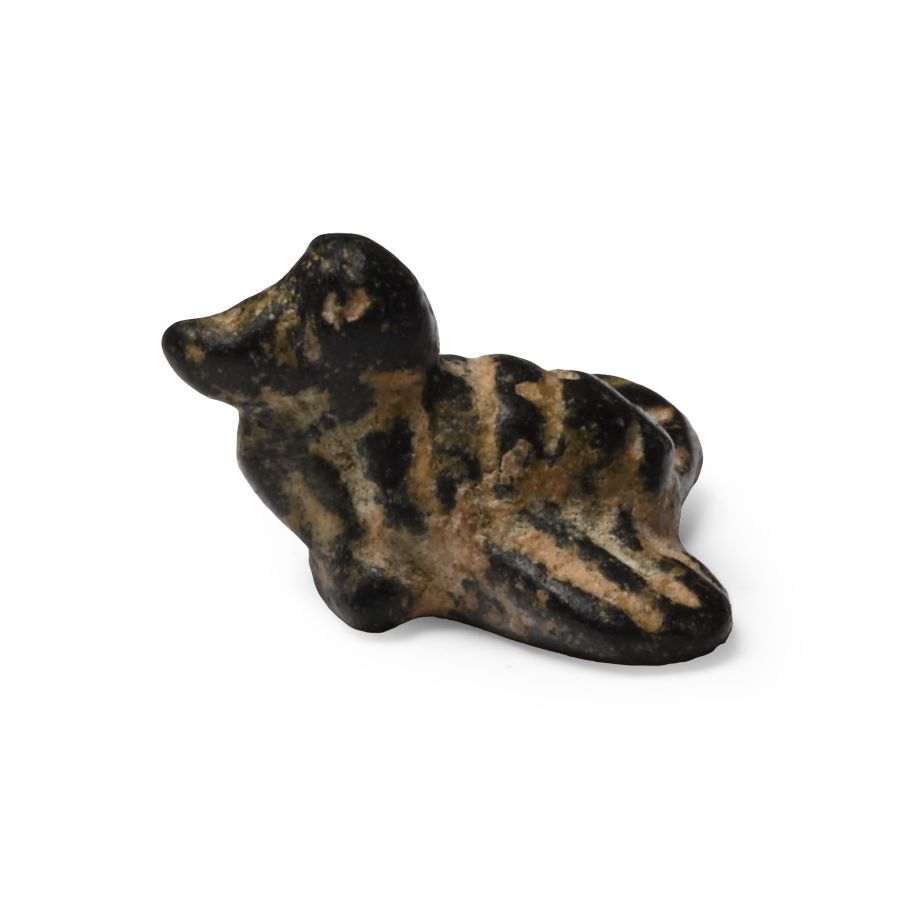
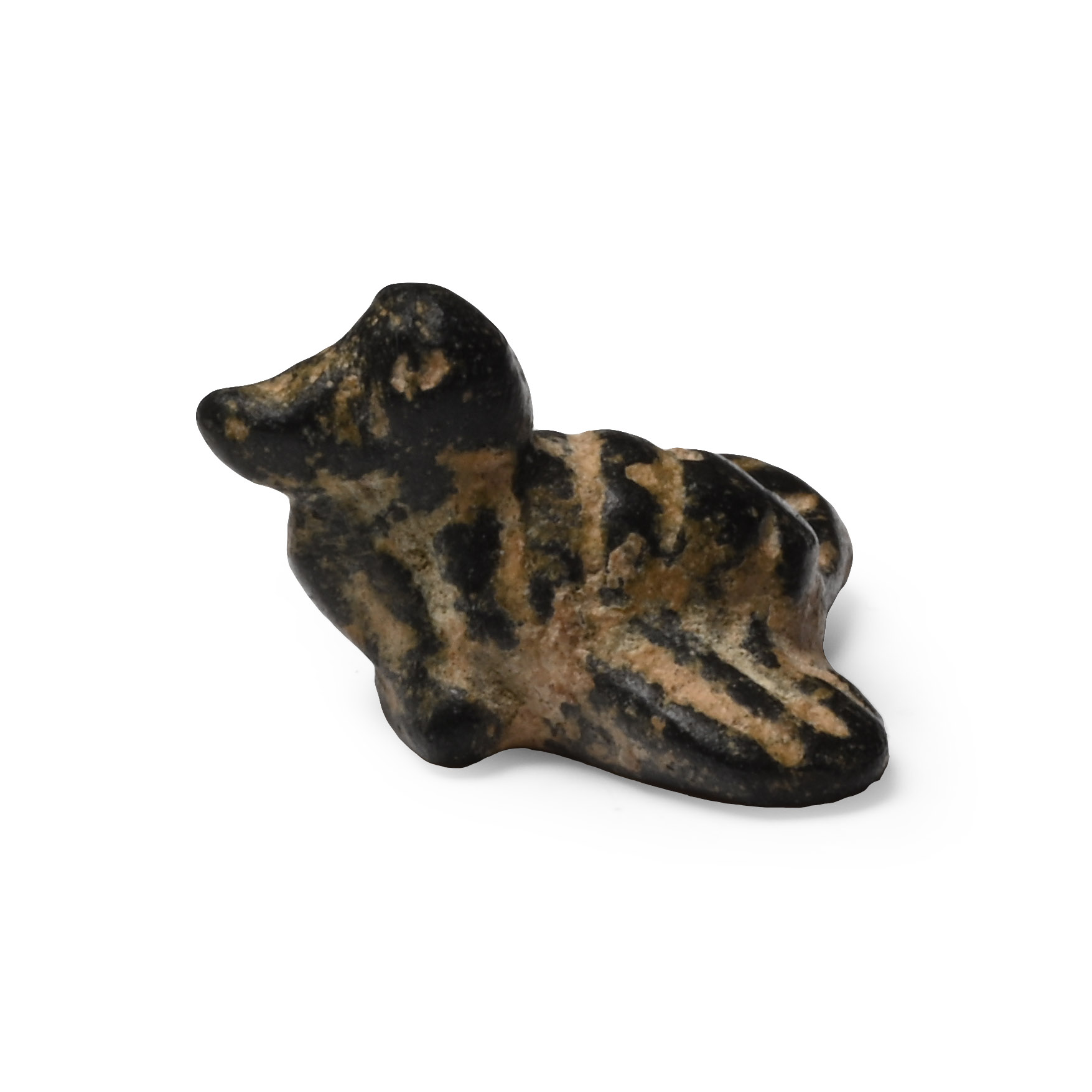
Phoenician Stone Bird-Shaped Weight
LATE 1ST MILLENNIUM B.C.
5/8 in. (4.15 grams, 15 mm).
Fashioned as a seated bird with partly outspread wings.
ProvenanceFrom a London, UK, based collection, 1990s.
CONDITIONTimeLine Auctions follows a vetting process to ensure the authenticity and legality of all items, reinforcing our commitment to integrity and responsible trading. Each antiquity, antique, and coin lot undergoes thorough examination by a vetting committee of at least ten external specialists, professional trade association members, scientists, and archaeologists: Our Vetting Process
AUCTIONS:
TimeLine is a leading auction house specialising in antiquities, ancient art, collectables, natural history, coins, medals, and books. Our auctions offer museums, collectors, historians, and enthusiasts the opportunity to acquire unique and historically significant pieces.
-
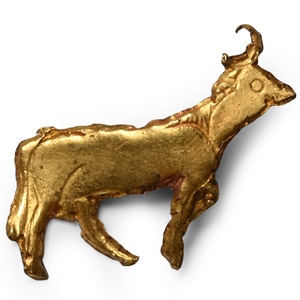
Egyptian Gold Bull Amulet
Late Period, 664-332 B.C.Sold for (Inc. bp): £117
Depicting a striding bull with a suspension loop on the back. 0.19 grams, 11 mm
From the private collection of the late Mrs Belinda Ellison, a long time member of the Egyptian Exploration Society, c.1940-2020. -
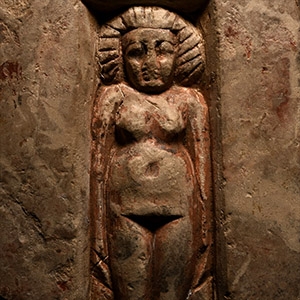
Egyptian Female Fertility Figurine Plaque
Late Period-Ptolemaic Period, 664-31 B.C.Estimate: £1,000 - 1,400 (+bp*)
Opening Bid: £556
Carved rectangular plaque with central recess, carved image of a nude female modelled in the half-round with a deeply striated bag wig, arms by her side; traces of red and black pigment on the body; mounted on a custom-made stand. 502 grams total, 17.1 cm including stand
From a central London collection, formed 1980-2000. From the private collection of Mr David Barker, London, UK; thence by descent.
The rectangular limestone plaque almost certainly represents a shrine. Such plaques first appeared in Lower Egypt and became widespread in the Late Period and Ptolemaic era. They may have developed from earlier female figurines depicted on beds and are usually associated with the female goddesses Isis and Hathor, both powerful protectors of women and childbirth and associated with fertility. -
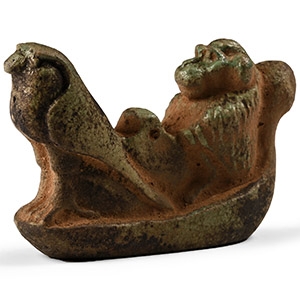
Egyptian Faience Thoth and Horus in a Boat
Late Period, 664-332 B.C.Sold for (Inc. bp): £1,235
Modelled in the round, comprising a small barque with a seated baboon and a falcon, possibly Thoth and Horus, with a slot to the underside. 35.9 grams, 64 mm
From the collection of a gentleman, acquired on the London art market in the 1990s.
In Egyptian mythology, Thoth restored the eye of Horus, suggesting that this may be the theme of the figurine's composition. Alternatively, the composition may be a condensed depiction of the funerary vignette, which shows the falcon form of the sun god Re in his solar barque flanked by baboons in an attitude of praise. The slot in the underside suggests it was once attached to a separate base.
