
Loading, please wait...
LOT 0460
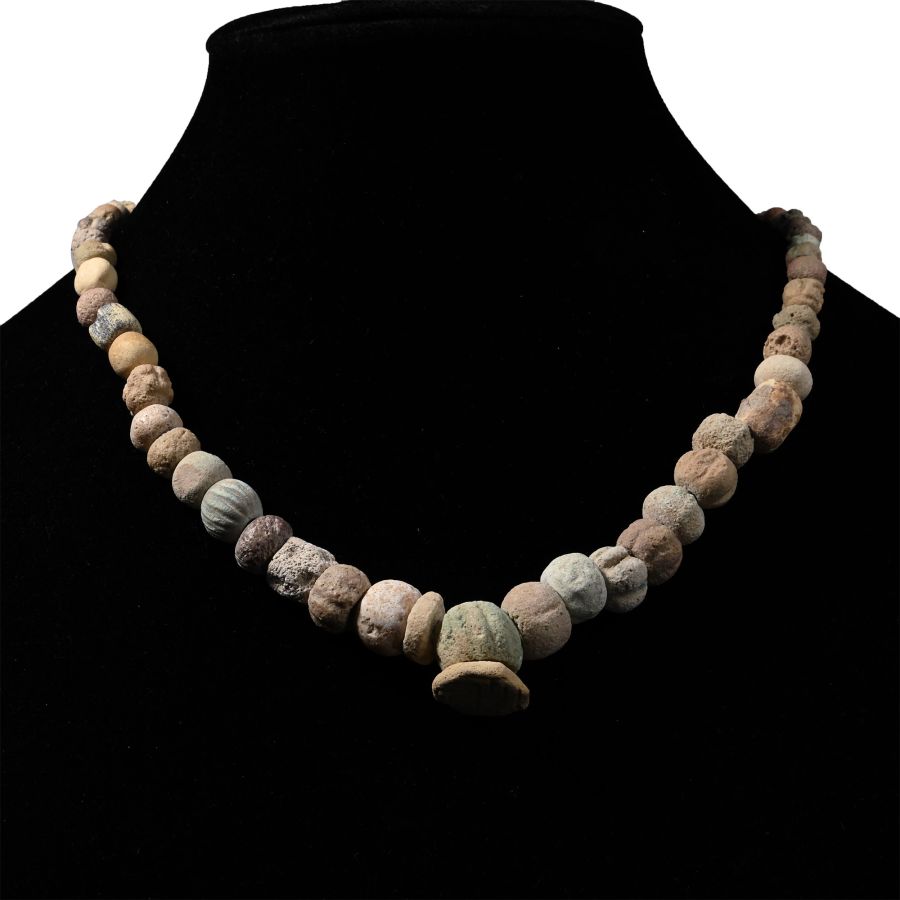
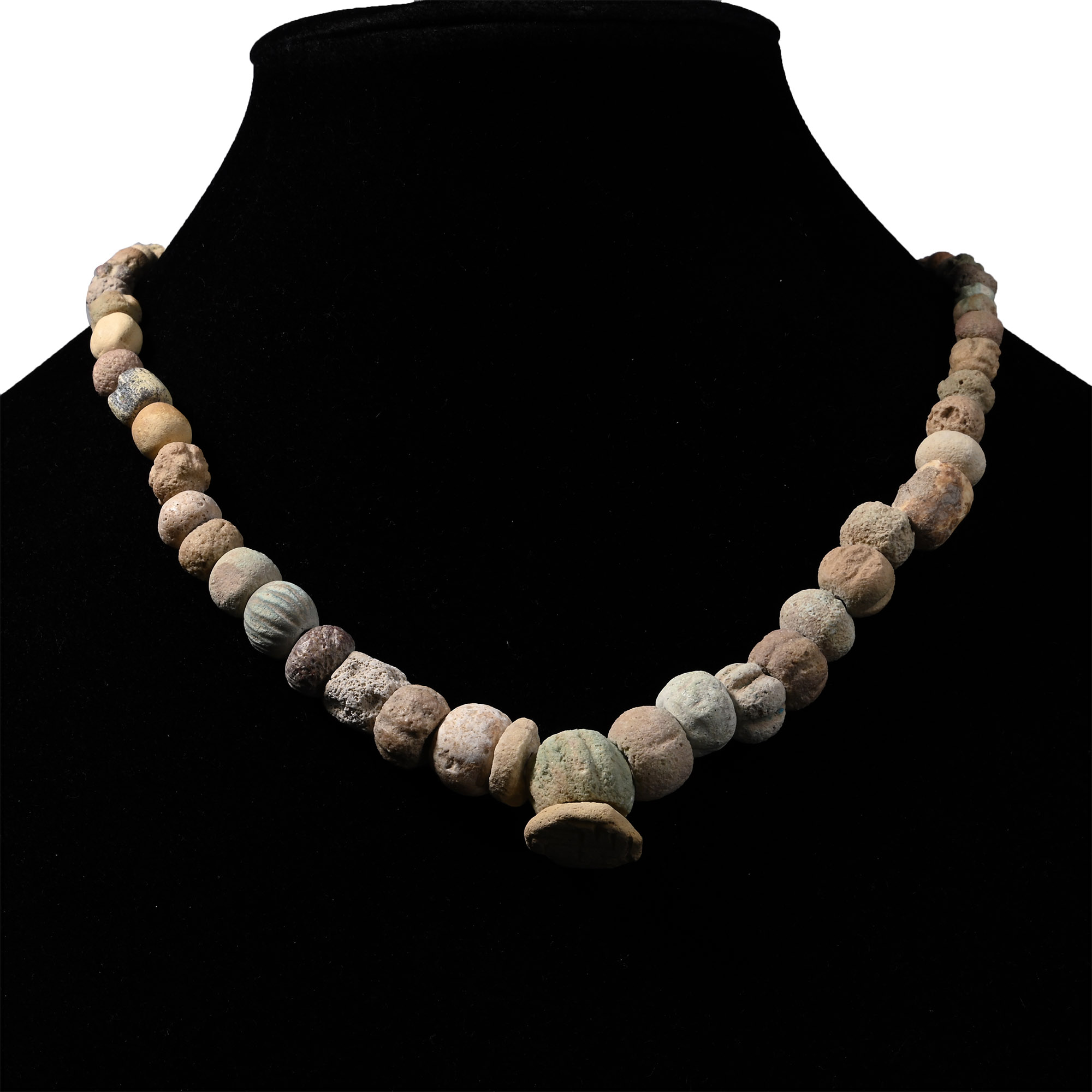
Phoenician Faience Melon Bead Necklace
1ST MILLENNIUM B.C.
16 1/2 in. (47.4 grams, 42 cm).
Composed of graduated melon and other beads, the central feature a discoid pendant with a hooked cross symbol; restrung with a modern clasp. [No Reserve]
ProvenanceEx London, UK, gallery, 1990s.
Accompanied by a previous typed catalogue information card.
TimeLine Auctions follows a vetting process to ensure the authenticity and legality of all items, reinforcing our commitment to integrity and responsible trading. Each antiquity, antique, and coin lot undergoes thorough examination by a vetting committee of at least ten external specialists, professional trade association members, scientists, and archaeologists: Our Vetting Process
AUCTIONS:
TimeLine is a leading auction house specialising in antiquities, ancient art, collectables, natural history, coins, medals, and books. Our auctions offer museums, collectors, historians, and enthusiasts the opportunity to acquire unique and historically significant pieces.
-
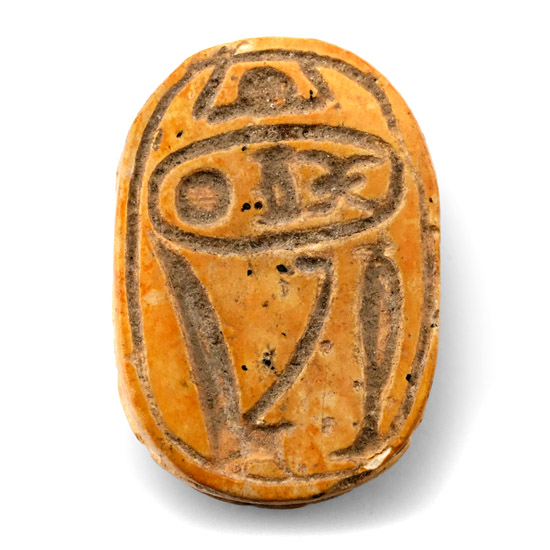
Egyptian Yellow Steatite Scarab with Cartouche
New Kingdom, 18th Dynasty, 1550-1292 B.C.Sold for (Inc. bp): £143
Incised anatomical detailing on the body, underside with a cartouche of Pharaoh Thutmose III, Red crown, hes-vase and sun disc. 1.06 grams, 14 mm
From a late Warwickshire numismatic collector, his collection formed from the early 1980s. -
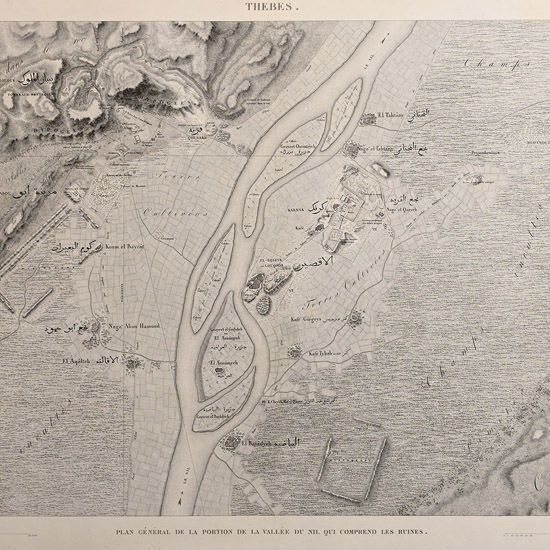
Very Large Egyptian Expedition Lithograph of Thebes
Early 19th century A.D.Sold for (Inc. bp): £94
Proof etching on laid paper of plate 1 entitled Thèbes. Plan général de la portion de la Vallée du Nil qui comprend les ruines, Volume II, Plate 1. 341 grams, 103.8 x 69.5 cm
From the collection of a North American priest. Acquired between 1981-1996. Property of a North American collector.
Produced between February 1802 and 1830 on the orders of Napoleon Bonaparte; published between 1809 and 1828. Just 1,000 copies were distributed to various institutions, printed on laid paper with an 'Égypte ancienne et moderne' watermark. The book is subtitled Recueil des observations et des recherches qui ont été faites en Égypte pendant l’expédition de l’Armée française, publié par les ordres de Sa Majesté l’Empereur Napoléon le Grand (Gathering of observations and discoveries which were made in Egypt during the expedition of the French army, published on the orders of His Majesty the Emperor Napoleon the Great). It was the world's first encyclopedia devoted exclusively to the remains of ancient Egypt. The plates of this book are the first to present the archaeological sites of Thebes (Luxor). -
.jpg)
Egyptian Bronze Kneeling Figure of a King
Late Period-Ptolemaic Period, circa 664-30 B.C.Estimate: £30,000 - 40,000 (‡+bp*)
Opening Bid: £15,000
A solid cast statuette modelled in the round as a kneeling pharaoh wearing a thigh-length shendyt kilt, a broad collar and a nemes headdress adorned with a uraeus to the brow; with open hands positioned as though they once held an object, palms facing inward; mounted on a custom-made stand. 1.62 kg total, 16.7 cm high including stand
Private collection, E.M. (1880-1954), since the 1930s. Accompanied by an academic report by Egyptologist Paul Whelan. This lot has been checked against the Interpol Database of stolen works of art and is accompanied by search certificate number no.13196-249244.
The figure's overall appearance, particularly the muscular upper body, resembles two kneeling bronze figures – Brooklyn Museum 71.11 and Pennsylvania Museum E.13004 – both bearing the cartouche of 26th Dynasty pharaoh Necho II (610-595 BC). Unlike the varied poses of kneeling stone statues, those in bronze consistently rest on their knees and toes, with heels positioned under their buttocks. Figures with this hand gesture are often thought to have originally held an offering vessel or ritual object. However, none of the existing examples shows signs of having held an object. Instead, the gesture may symbolise both giving and receiving, representing veneration, offering, and a plea for protection to a particular deity.
