
Loading, please wait...


LOT 0567
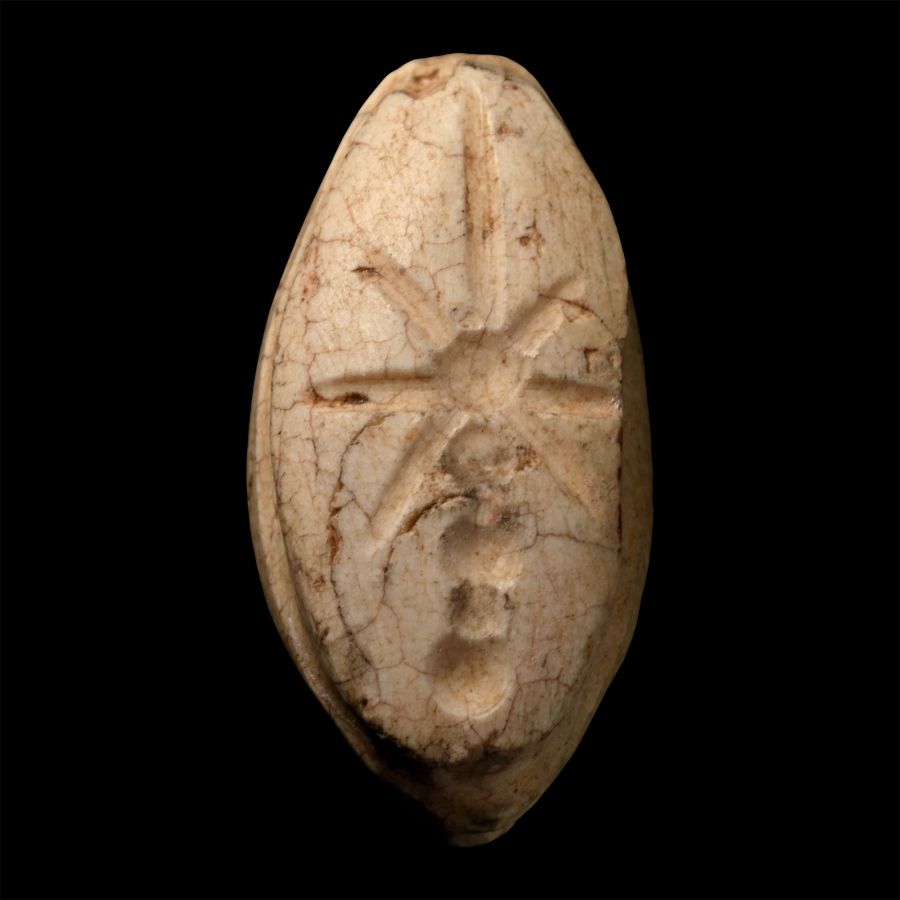
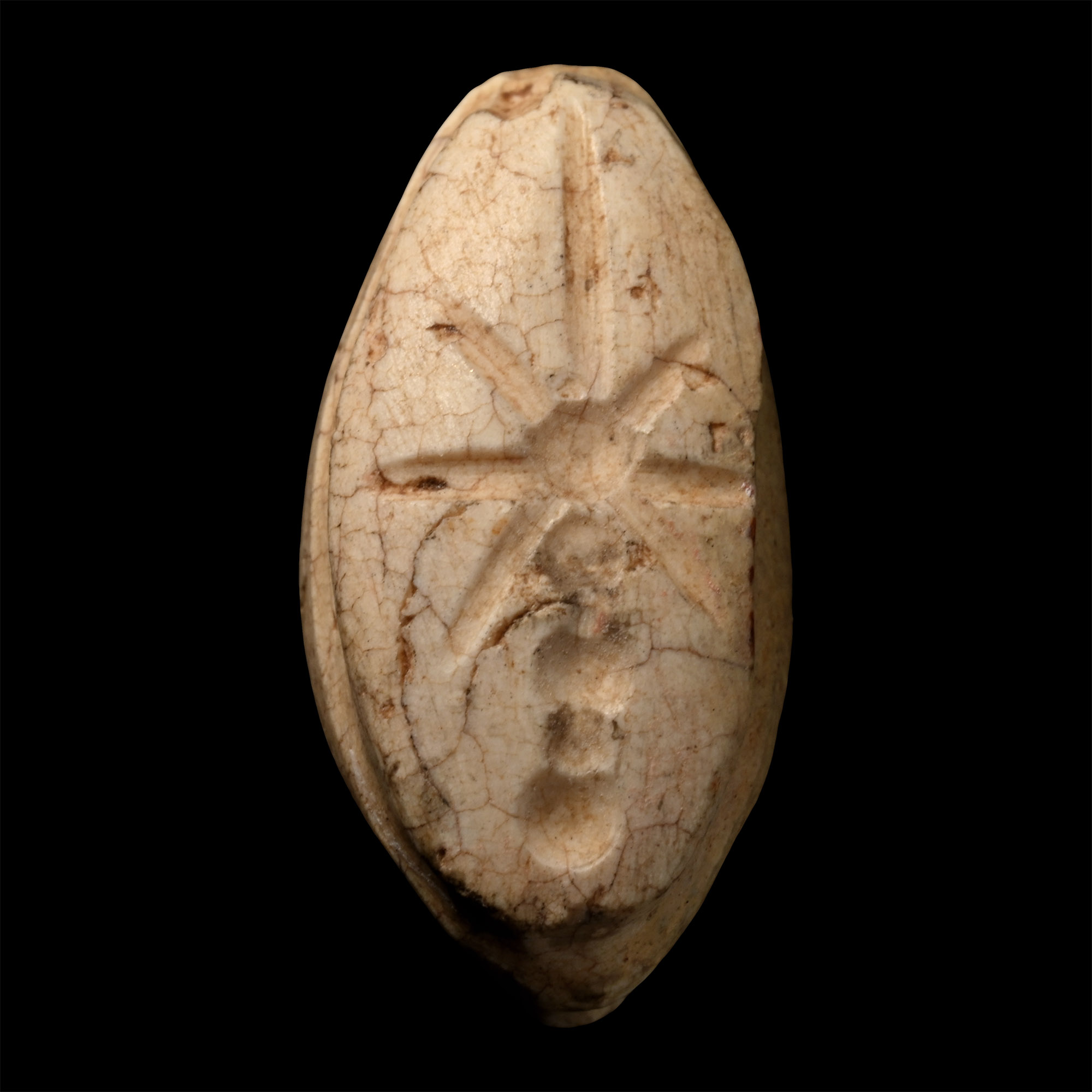
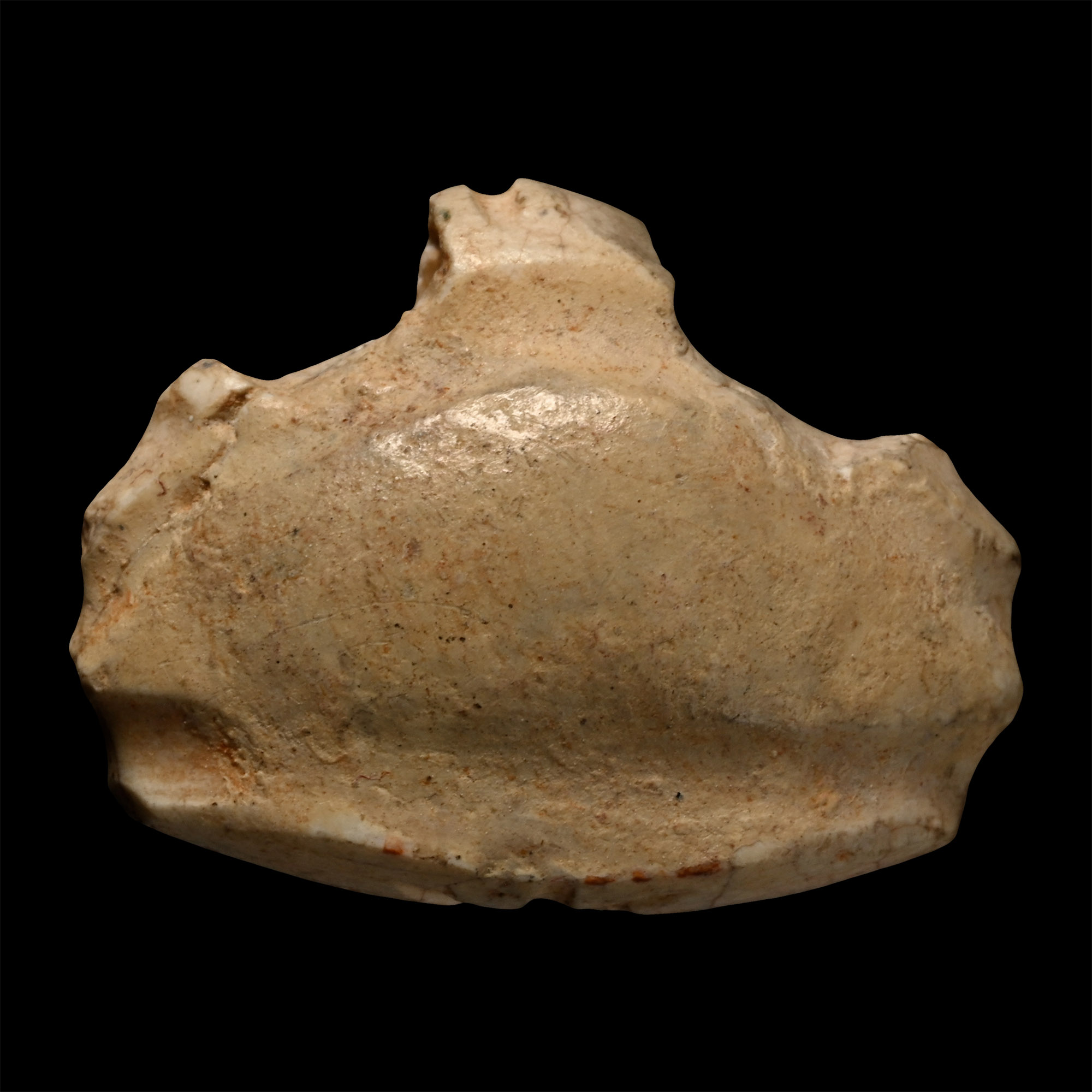
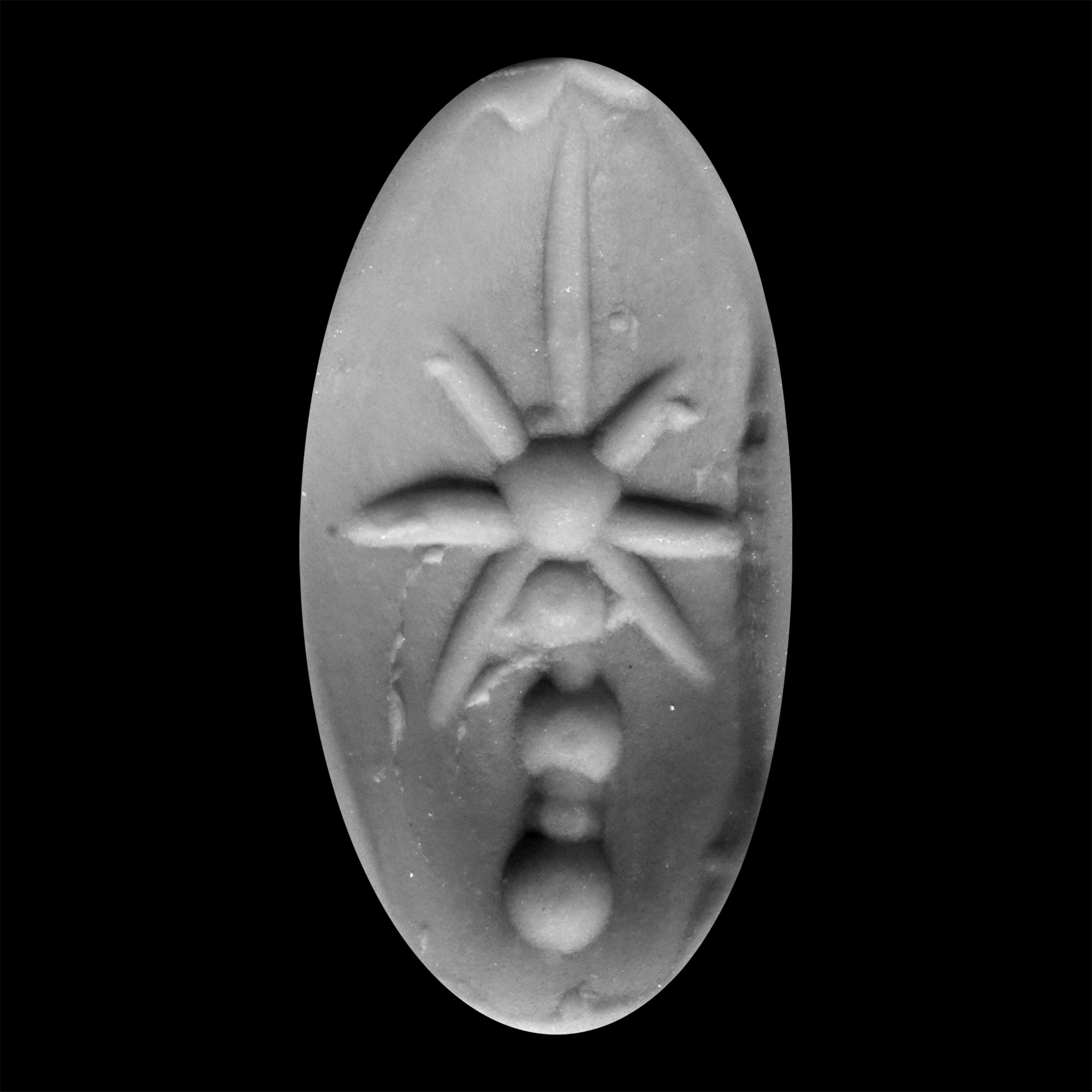
Phoenician Cream Stone Scaraboid Stamp Seal with Star on Sceptre
2ND-1ST MILLENNIUM B.C.
3/4 in. (3.48 grams, 20 mm).
Lentoid in plan with ribbed suspension loop, incuse motif of a scintillation; supplied with a museum-quality impression. [No Reserve]
ProvenanceFrom the private collection of a European gentleman (1942-2024), formed since the 1970s.
CONDITIONTimeLine Auctions follows a vetting process to ensure the authenticity and legality of all items, reinforcing our commitment to integrity and responsible trading. Each antiquity, antique, and coin lot undergoes thorough examination by a vetting committee of at least ten external specialists, professional trade association members, scientists, and archaeologists: Our Vetting Process
AUCTIONS:
TimeLine is a leading auction house specialising in antiquities, ancient art, collectables, natural history, coins, medals, and books. Our auctions offer museums, collectors, historians, and enthusiasts the opportunity to acquire unique and historically significant pieces.
LOT 0567
Phoenician Cream Stone Scaraboid Stamp Seal with Star on Sceptre
Estimate £60 - 80€70 - 93 (for guidance only)$81 - 108 (for guidance only)
Opening Bid
£5 (EUR 6; USD 7) +BP*
-
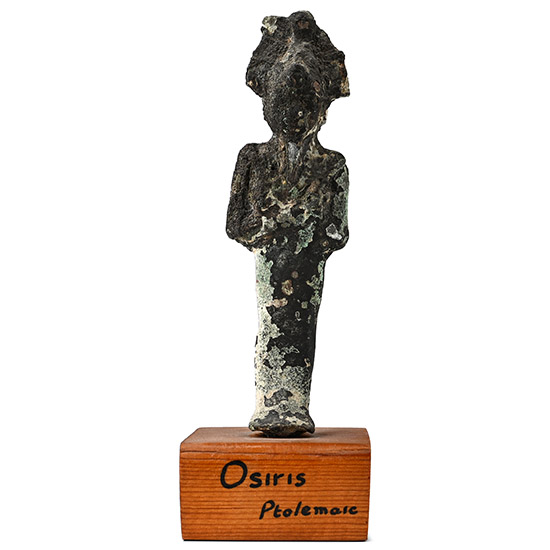
Egyptian Bronze Standing Figure of the God Osiris
Late Period-Ptolemaic Period, 664-30 B.C.Estimate: £120 - 170 (+bp*)
Bids: 1 | Current Bid: £5
Modelled in the round, with hands crossed on the chest, holding the deity's characteristic crook and flail, and wearing the atef- crown; mounted on a wooden display stand bearing the legend 'Osiris Ptolemaic'. 56.3 grams total, 11.6 cm high including stand
Acquired Herne Bay High Street, June 1957. From the private collection of Peter Clayton, FCILIP, Dip, Arch, FSA, FRNS, Hemel Hempstead, Hertfordshire, UK; formed since the late 1950s. Accompanied by an old handwritten information card by Peter Clayton, collection no.8. -
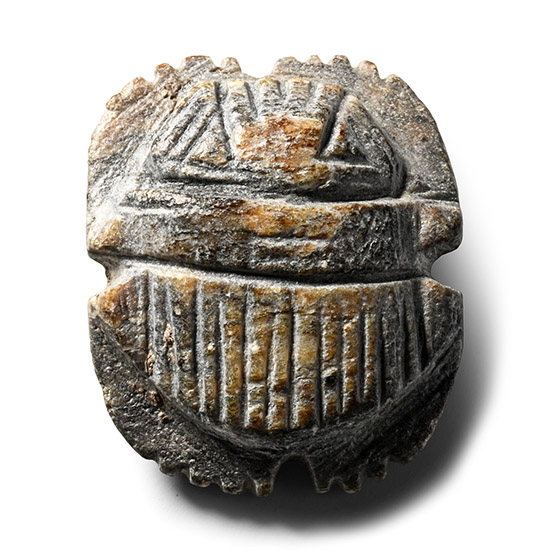
Egyptian Stone Scarab
Late Period, 664-332 B.C.Estimate: £120 - 170 (+bp*)
Bids: 1 | Current Bid: £5
With incised anatomical detailing on the body, the underside ground smooth, with a faint trace of an original horizontal suspension hole. 3.28 grams, 20 mm
London, UK, art market, 1980s. Private collection, London, UK. -
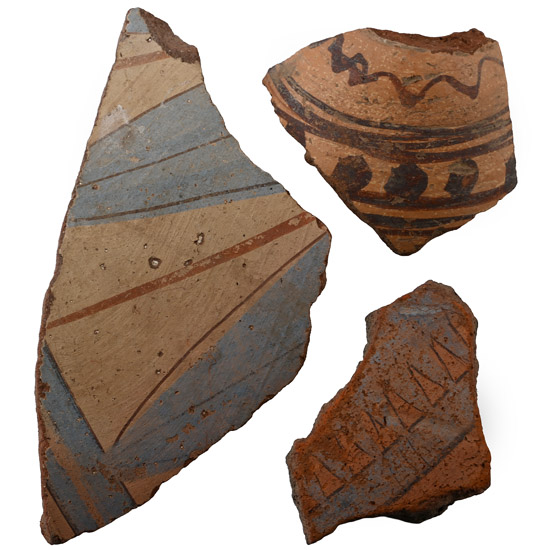
Large Egyptian Painted Bowl Fragments
New Kingdom, 18th Dynasty, Amarna Period, 1379-1362 B.C.Estimate: £80 - 100 (+bp*)
Opening Bid: £5
Two fragments of distinctive blue-painted pottery and one from a Mycenaean vessel. 221 grams total, 7.2-16.5 cm
Acquired in March 1979. From the private collection of Peter Clayton, FCILIP, Dip, Arch, FSA, FRNS, Hemel Hempstead, Hertfordshire, UK; formed since the late 1950s. Accompanied by an old handwritten information card by Peter Clayton, collection no.143.
The largest blue-painted fragment likely comes from the neck, and the smaller from the body, of a large storage vessel; intact examples of these vessels have been found at Amarna (cf. Seyfried, F. (ed.), In the Light of Amarna: 100 Years of the Nefertiti Discovery, Berlin, 2012, pp. 288-289, Cat. no. 68, for a near-complete example). Amarna has yielded the largest quantity of Late Helladic (LH IIIA2) Mycenaean pottery in Egypt. Analysis has revealed that several Mycenaean sherds excavated at Amarna in Egypt come from a production site in the northern Argolid, probably in the Mycenae-Berbati region.
