
Loading, please wait...


LOT 0566
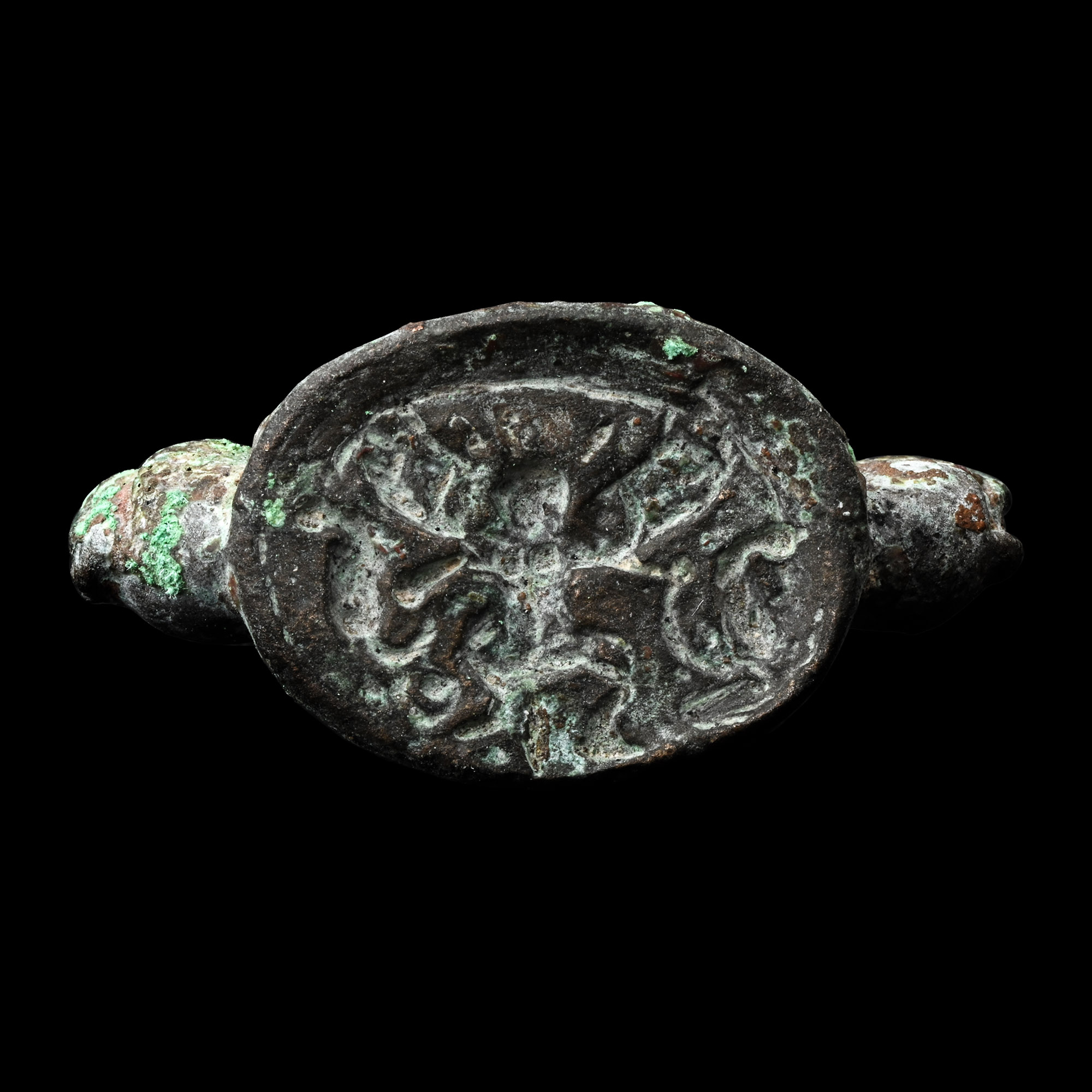
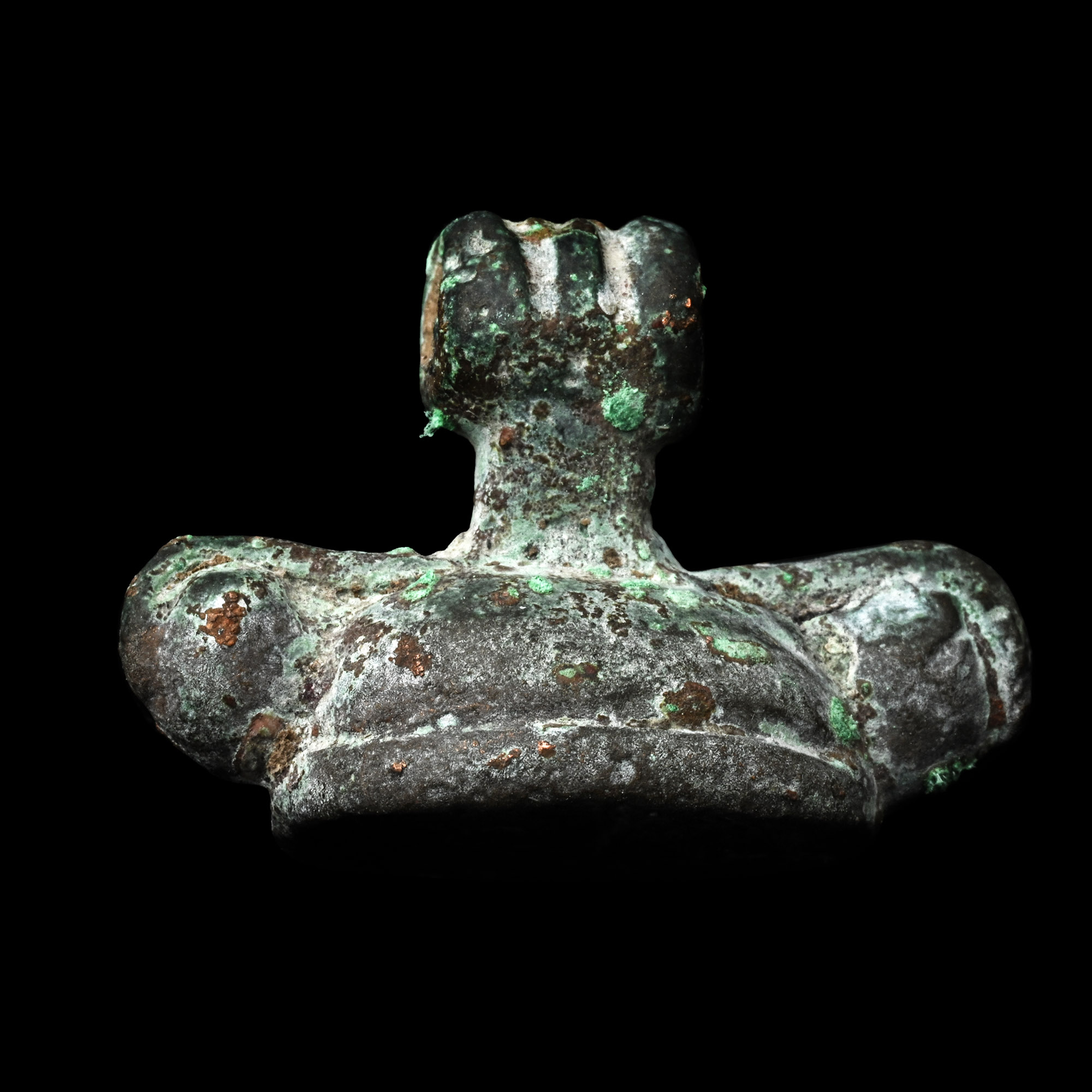
Phoenician Bronze Scarab Seal Pendant
LATE 1ST MILLENNIUM B.C.
1 1/4 in. (25.6 grams, 33 mm).
Ellipsoid plaque with recurved lateral arms and ribbed loop, the underside depicting an advancing winged figure flanked by uraei.
ProvenanceLondon gentleman's collection, 1970-1990s, by descent.
CONDITIONTimeLine Auctions follows a vetting process to ensure the authenticity and legality of all items, reinforcing our commitment to integrity and responsible trading. Each antiquity, antique, and coin lot undergoes thorough examination by a vetting committee of at least ten external specialists, professional trade association members, scientists, and archaeologists: Our Vetting Process
AUCTIONS:
TimeLine is a leading auction house specialising in antiquities, ancient art, collectables, natural history, coins, medals, and books. Our auctions offer museums, collectors, historians, and enthusiasts the opportunity to acquire unique and historically significant pieces.
LOT 0566
Phoenician Bronze Scarab Seal Pendant
Estimate £150 - 200€170 - 230 (for guidance only)$200 - 270 (for guidance only)
Opening Bid
£75 (EUR 87; USD 101) +BP*
-
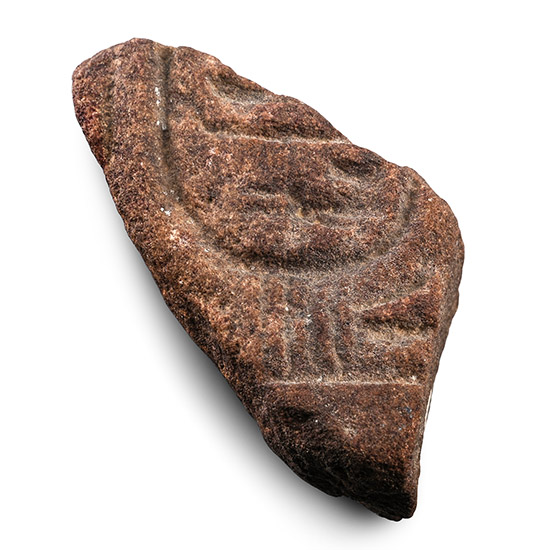
Egyptian Red Quartzite Granite Hieroglyphic Fragment with Remains of a Cartouche
New Kingdom, 18th Dynasty, Amarna Period, 1379-1362 B.C.Estimate: £60 - 80 (+bp*)
Opening Bid: £5
Dressed stone fragment preserving the lower part of an incised cartouche. 102 grams, 67 mm
Acquired in February 1978. From the private collection of Peter Clayton, FCILIP, Dip, Arch, FSA, FRNS, Hemel Hempstead, Hertfordshire, UK; formed since the late 1950s. Accompanied by an old handwritten information card by Peter Clayton, collection no.139.
The cartouche appears to contain two narrow horizontal hieroglyphs and the lower part of a circle, suggesting it is the throne name of Akhenaten, Neferkheperure. -
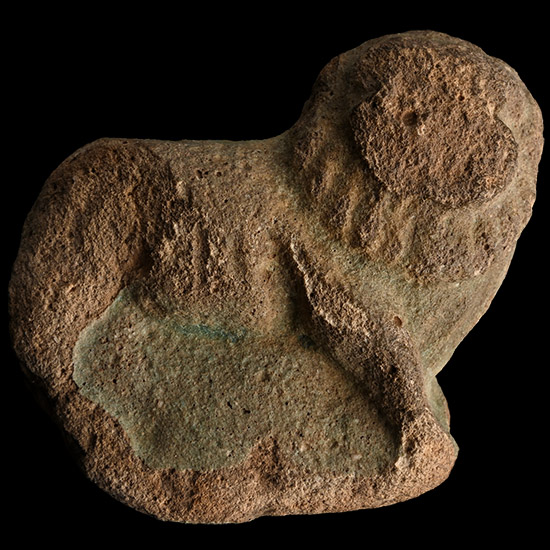
Egyptian Glazed Terracotta Lion Statuette
Roman Period, 30 B.C.-323 A.D.Estimate: £40 - 60 (+bp*)
Opening Bid: £5
Modelled in the round in advancing pose with head turned. 115 grams, 81 mm
Acquired on the UK art market since the 1990s. From the property of a late Lincolnshire, UK, gentleman; thence by descent. -
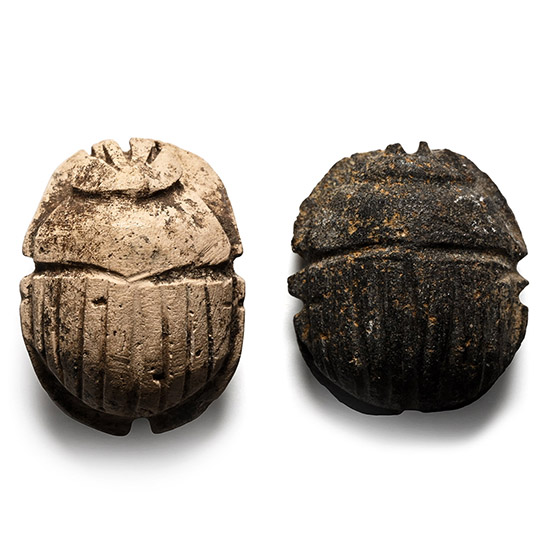
Egyptian Heart Scarab Group
Late Period, 664-332 B.C.Estimate: £120 - 170 (+bp*)
Opening Bid: £60
Comprising two naturalistically modelled scarabs with striated wing cases and ribbed undersides. 7.5 grams total, 18-20 mm
From the collection of a gentleman, acquired on the London art market in the 1990s.
The scarab amulet was a powerful symbol of rebirth, transformation, and protection in ancient Egypt. Modeled after the beetle associated with the sun god Khepri, it represented the cycle of life and regeneration. From the Middle Kingdom (c. 2050 BCE) onwards, scarabs served as funerary amulets, personal charms, and seals—often inscribed with prayers or names—reflecting both spiritual beliefs and daily life.
