
Loading, please wait...

LOT 1210
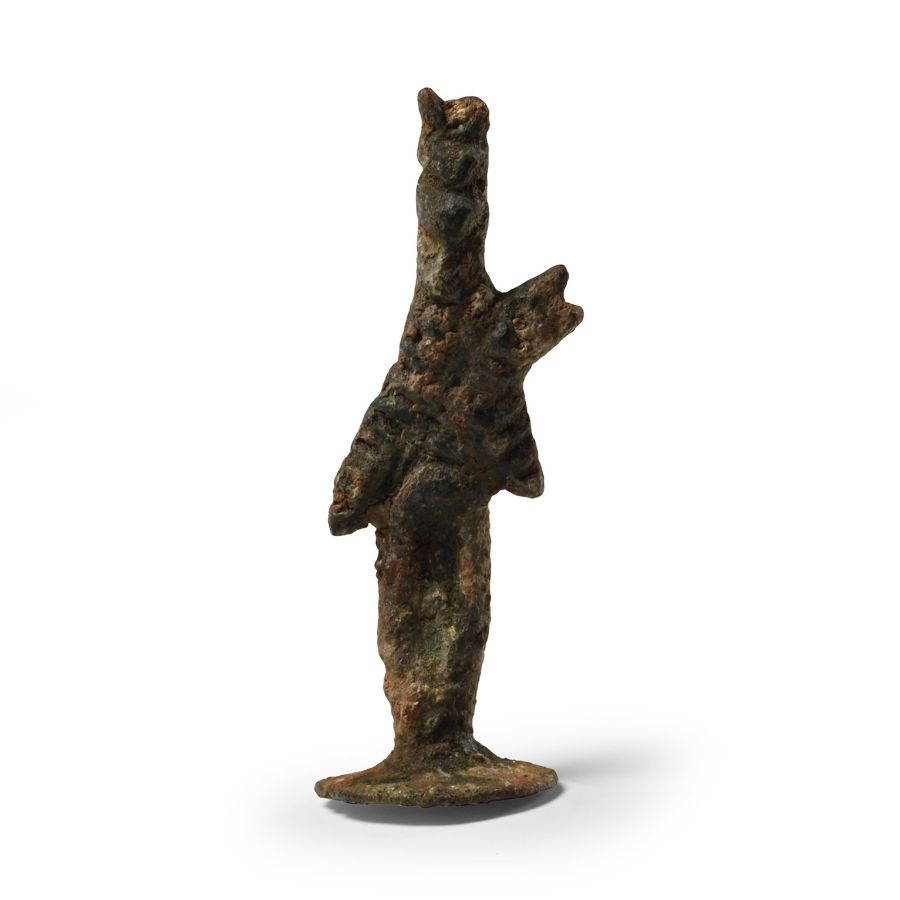
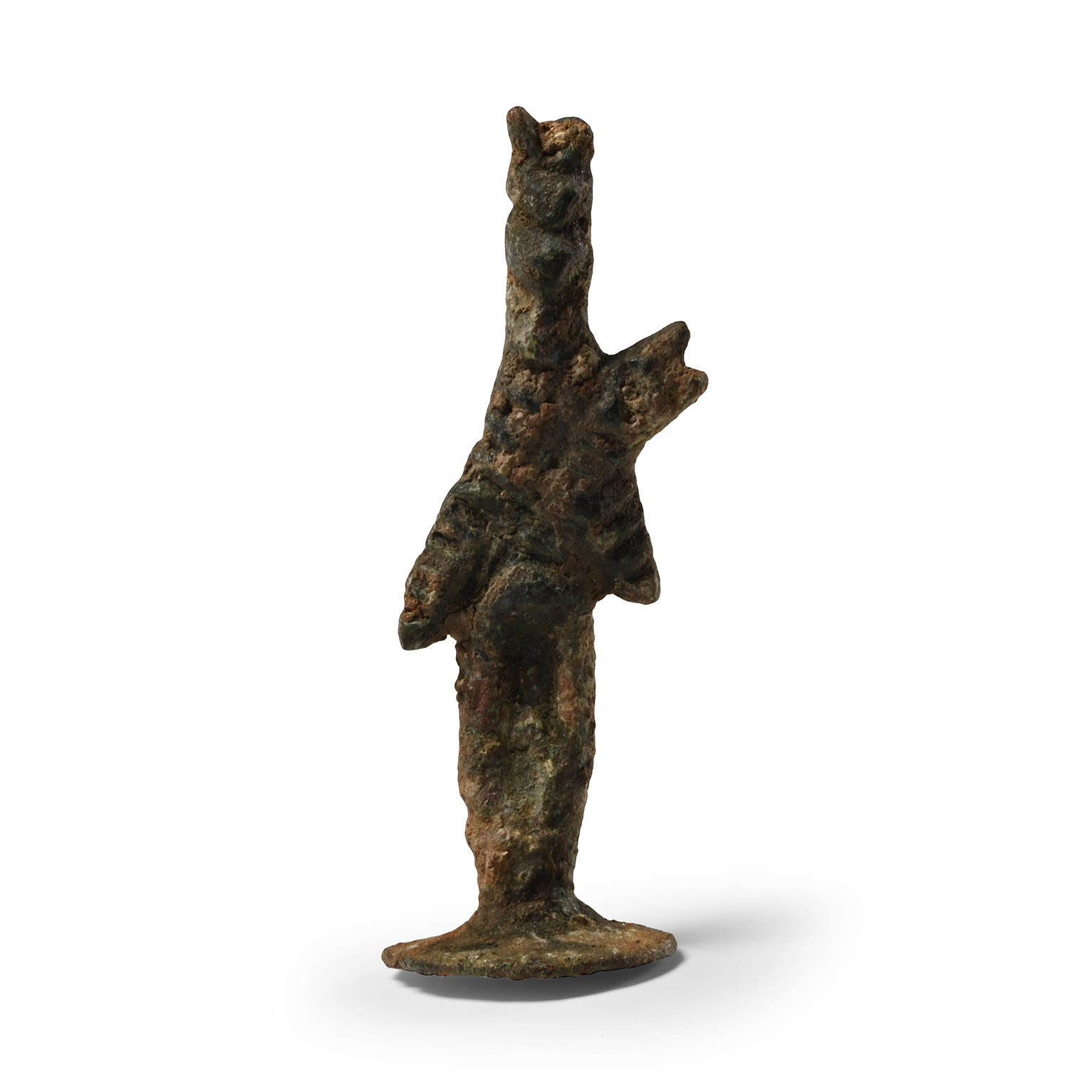
Phoenician Bronze Figure of Astarte
EARLY 1ST MILLENNIUM B.C.
2 1/8 in. (13.8 grams, 54 mm).
With hands raised, wearing a floral headdress and standing on a discoid base. [No Reserve]
ProvenanceFrom the collection of a gentleman, acquired on the London art market in the 1990s.
CONDITIONTimeLine Auctions follows a vetting process to ensure the authenticity and legality of all items, reinforcing our commitment to integrity and responsible trading. Each antiquity, antique, and coin lot undergoes thorough examination by a vetting committee of at least ten external specialists, professional trade association members, scientists, and archaeologists: Our Vetting Process
AUCTIONS:
TimeLine is a leading auction house specialising in antiquities, ancient art, collectables, natural history, coins, medals, and books. Our auctions offer museums, collectors, historians, and enthusiasts the opportunity to acquire unique and historically significant pieces.
-
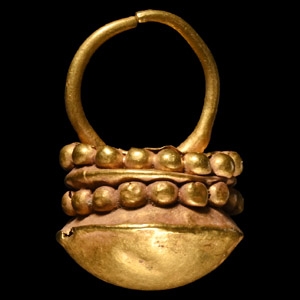
Western Asiatic Gold Bucket-Shaped Earring
Late 1st millennium B.C.Sold for (Inc. bp): £169
Sheet gold drum-shaped body with domed lower face, two rows of repoussé pellets, short loop. 3.1 grams, 23 mm
Private collection formed since the 1940s. UK art market. Property of an Essex, UK, gentleman. -
.jpg)
Bactrian Terracotta Chalice
1st millennium B.C. or laterSold for (Inc. bp): £117
Sturdy columnar stem flaring to the broad base with carinated rim, band of pained geometric ornament; the bowl broad and dished with concentric ring detailing. 2.49 kg, 28.5 cm wide
Acquired 1980-2015. Ex Abelita family collection. -
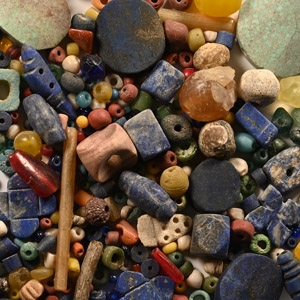
Mixed Ancient Necklace Bead Group
1st millennium B.C. and laterSold for (Inc. bp): £208
Comprising a quantity of variously shaped beads in lapis lazuli, glass, faience, and other materials, including some amuletic and large tabular beads. 70 grams total, 2-38 mm
From a bead collection formed in the 1990s.
