
LOT 2674
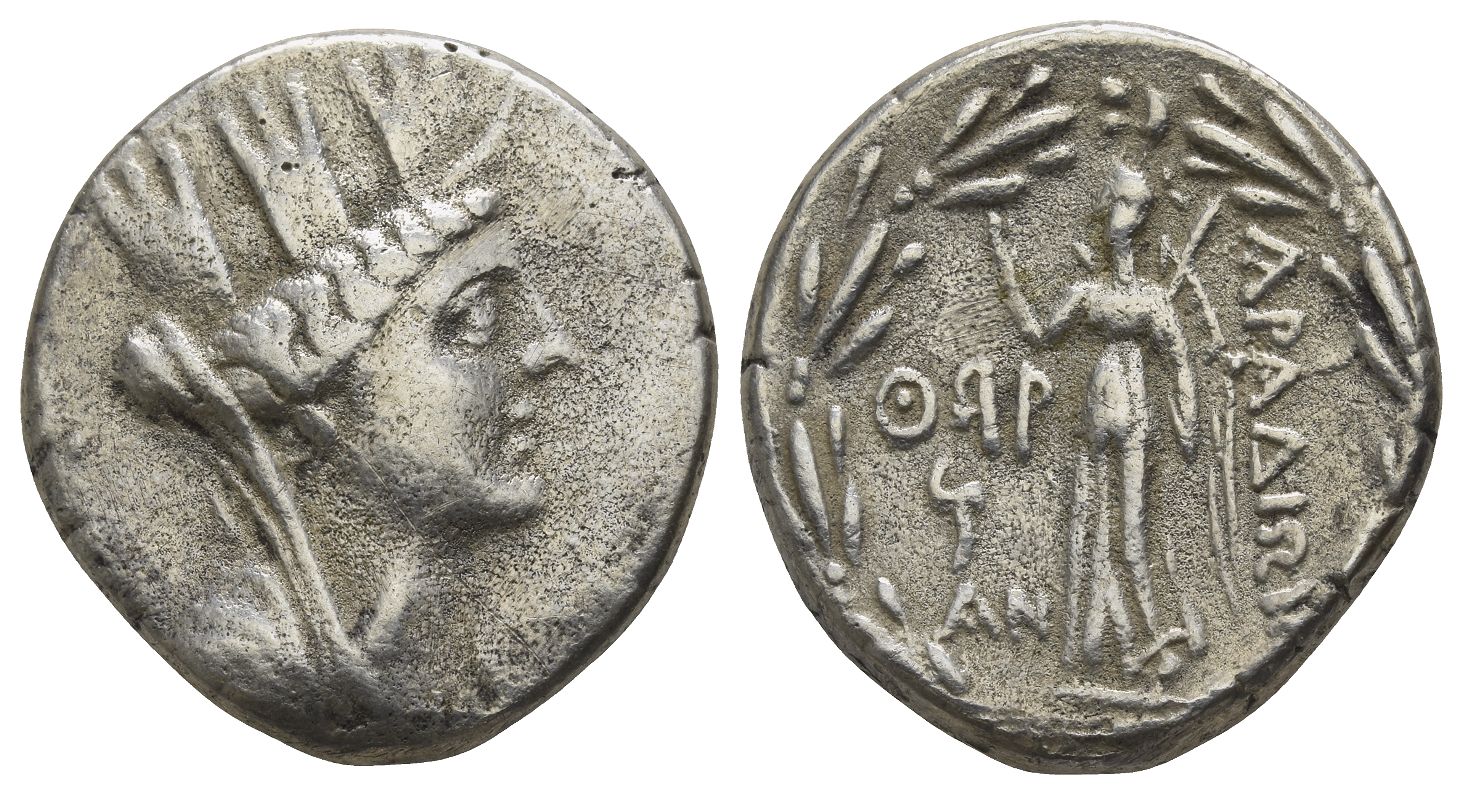
Phoenicia, Arados AR Tetradrachm. Circa 138/7-44/3 BC.
Dated CY 199 (61/60 BC). Turreted, veiled and draped bust of Tyche to right / ΑΡΑΔΙΩΝ, Nike standing facing, head to left, holding aplustre and palm; ΘϘΡ (date) above Aramaic letter qoph above AN; all within wreath. Duyrat 4189; DCA 772; HGC 10, 72. Very Fine.(13.17gr, 27mm, 12h.).
ProvenanceFrom the collection of a gentleman, acquired on the London art market in the 1990s.
TimeLine Auctions follows a vetting process to ensure the authenticity and legality of all items, reinforcing our commitment to integrity and responsible trading. Each antiquity, antique, and coin lot undergoes thorough examination by a vetting committee of at least ten external specialists, professional trade association members, scientists, and archaeologists: Our Vetting Process
AUCTIONS:
TimeLine is a leading auction house specialising in antiquities, ancient art, collectables, natural history, coins, medals, and books. Our auctions offer museums, collectors, historians, and enthusiasts the opportunity to acquire unique and historically significant pieces.
-
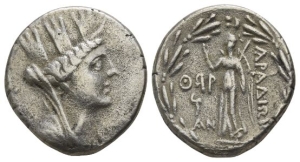
Phoenicia, Arados AR Tetradrachm. Circa 138/7-44/3 BC.
Sold for (Inc. bp): £98
Dated CY 199 (61/60 BC). Turreted, veiled and draped bust of Tyche to right / ΑΡΑΔΙΩΝ, Nike standing facing, head to left, holding aplustre and palm; ΘϘΡ (date) above Aramaic letter qoph above AN; all within wreath. Duyrat 4189; DCA 772; HGC 10, 72. 13.17gr, 27mm, 12h.
Very Fine.
From the collection of a gentleman, acquired on the London art market in the 1990s. -
![Group of Ten [10] AE Greek and Roman Coins.](https://timelineauctions.com/upload/images/items/small/225142-s.jpg)
Group of Ten [10] AE Greek and Roman Coins. 2nd century BC-4th century AD.
Sold for (Inc. bp): £46
Various rulers and cities. 37.04gr total.
Very Fine.
From the collection of a London antiquarian, formed since the 1980s. -
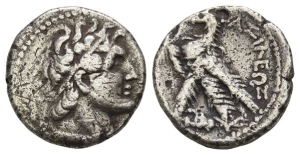
Ptolemaic Kingdom of Egypt, Ptolemy VI Philometor AR Didrachm. Second sole reign, 163-145 BC.
Sold for (Inc. bp): £52
Uncertain mint in Cyprus. Dated year 101 of an uncertain era (162/1 BC). Diademed head of Ptolemy I to right, aegis around neck / [Β]ΑΣΙΛΕΩΣ [ΠΤΟΛΕΜΑΙΟΥ], eagle standing to left on thunderbolt; PA (date) between legs. Svoronos 1209; Olivier 2998-3007 (obv. die D2); SNG Copenhagen 550 (same obv. die); DCA 76. 6.19gr, 19mm, 12h.
Near Very Fine.
From the collection of a gentleman, acquired on the London art market in the 1990s. Ex Classical Numismatic Group, Electronic Auction 560, 17 April 2024, lot 289.
