
Loading, please wait...
LOT 2020
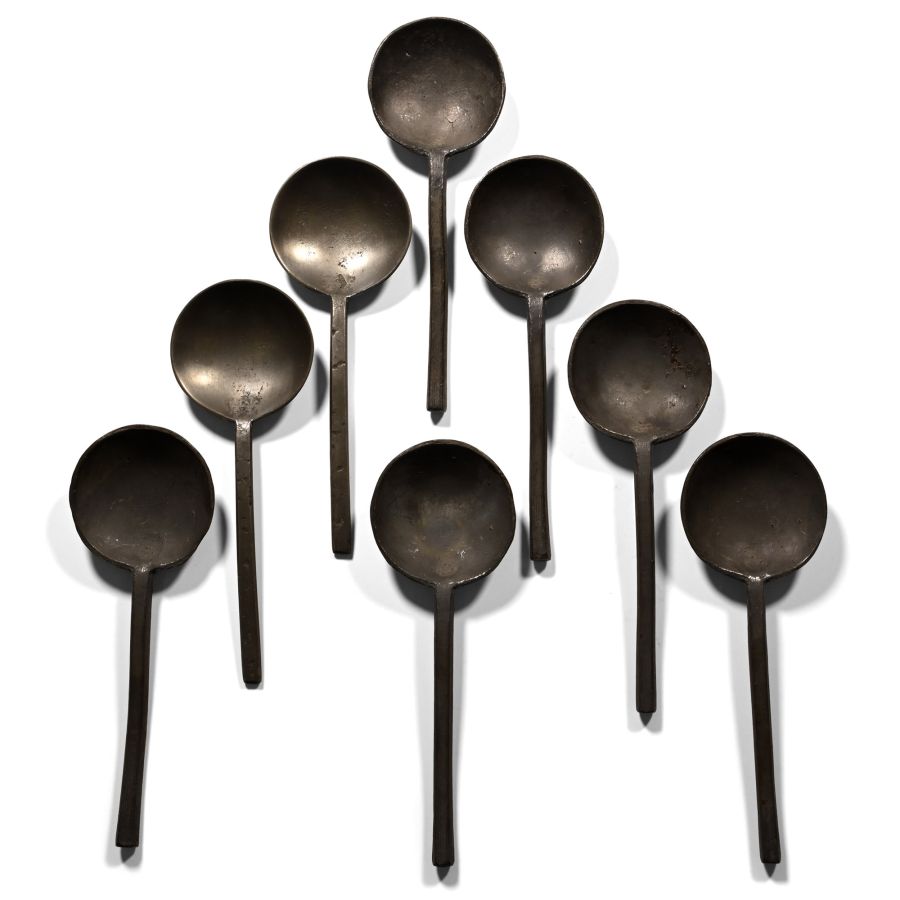
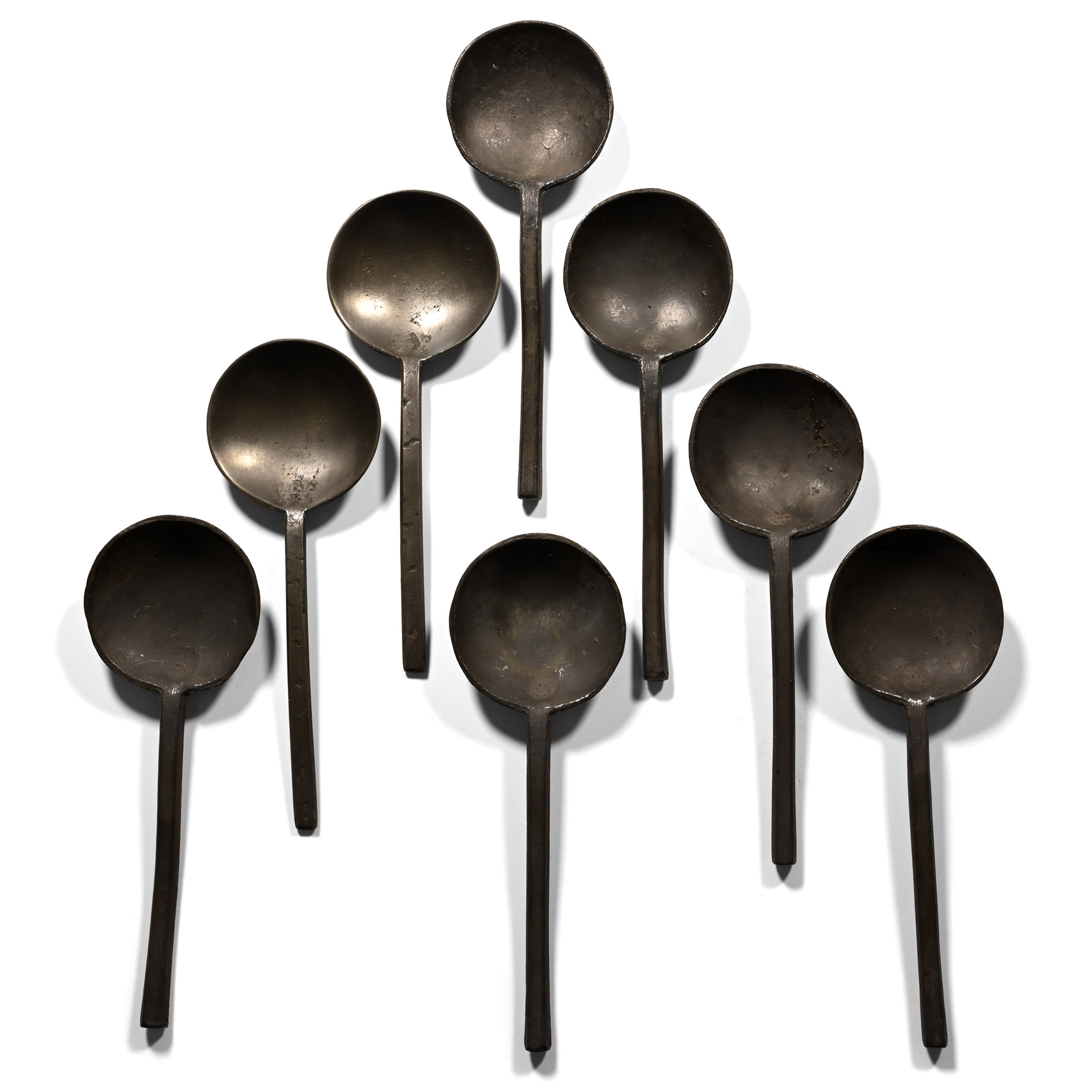
Pewter Spoon Collection
CIRCA 17TH-18TH CENTURY A.D.
6 1/2 in. (839 grams total, 16.5 cm).
Each with a shallow circular bowl and sturdy stem, six with a stamped X-motif within pelletted border to the bowl, and two with three stamped rosettes above letters(?). [8, No Reserve]
ProvenanceAcquired in the Netherlands in the 1990s.
Ex Cambridgeshire, UK, gentleman.
TimeLine Auctions follows a vetting process to ensure the authenticity and legality of all items, reinforcing our commitment to integrity and responsible trading. Each antiquity, antique, and coin lot undergoes thorough examination by a vetting committee of at least ten external specialists, professional trade association members, scientists, and archaeologists: Our Vetting Process
AUCTIONS:
TimeLine is a leading auction house specialising in antiquities, ancient art, collectables, natural history, coins, medals, and books. Our auctions offer museums, collectors, historians, and enthusiasts the opportunity to acquire unique and historically significant pieces.
-
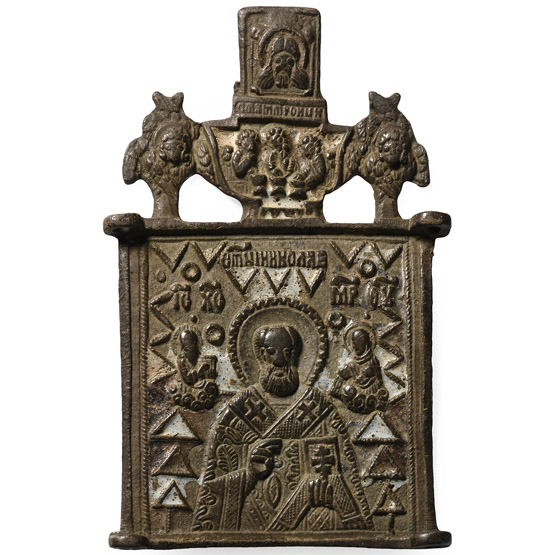
Eastern European Enamelled Bronze Icon of St Nicholas
Circa 18th-19th century A.D.Sold for (Inc. bp): £39
Central panel of triptych formed as a rectangular plaque of low-relief figure of Saint Nicholas flanked by smaller figures of Jesus and Mary to each side, a suspension hoop to each corner; upper panel with central image of trinity with cherubs and vernicle; remains of pale blue enamel. 47 grams, 90 mm
Ex Constable collection, 1990s. Ex P. Morris collection. -
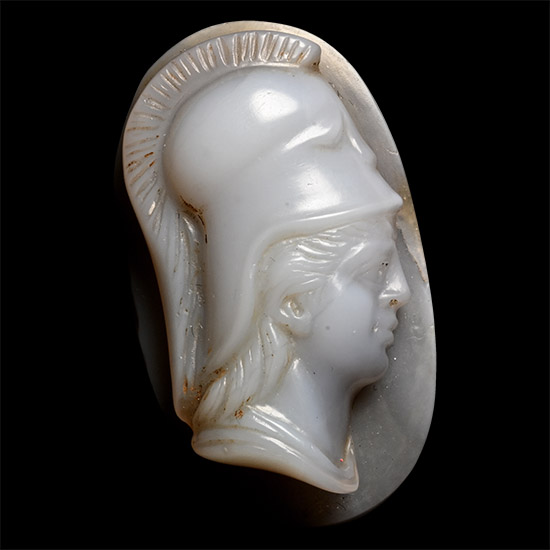
Post-Classical Agate Cameo with the Goddess Minerva
18th-19th century A.D.Estimate: £1,000 - 1,400 (+bp*)
Opening Bid: £500
Ellipsoid in plan with helmetted bust of Minerva; deep undercuts to the edges. 12.3 grams, 35 mm
with Hindmann, Chicago, 21 March 2023, no.221. Private collection, England. -
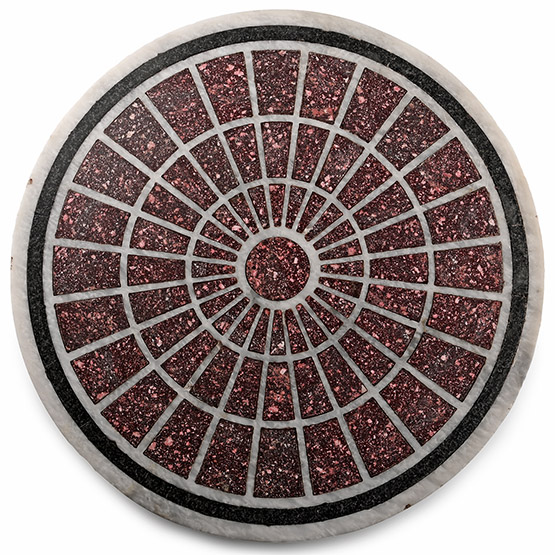
Imperial Porphyry Specimens from the Grand Tour Set into a Marble Table Top
Late 19th-early 20th century A.D.Sold for (Inc. bp): £3,640
Porphyry specimens set into a circular marble 'table top' with a black band border similar to items from the workshop of Francesco Sibilio. 14.75 kg, 39.3 cm
Acquired from Diana Steel in Suffolk around 2000. From the private collection of a Somerset gentleman.
