
Loading, please wait...
LOT 1879
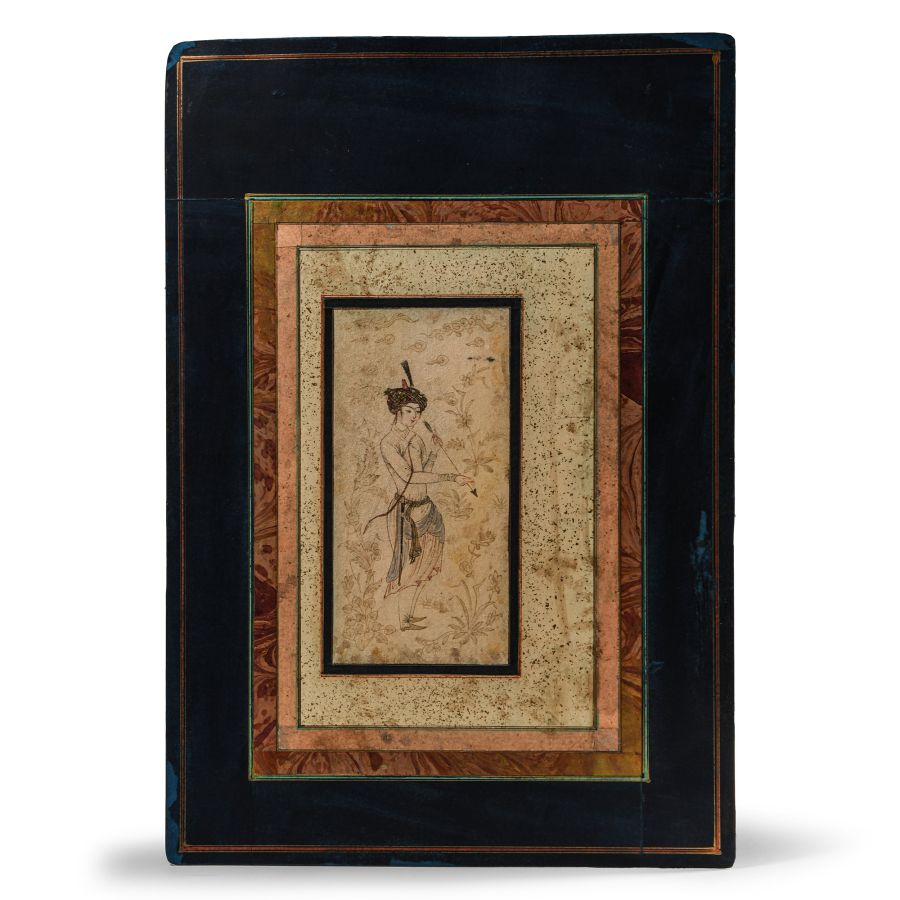
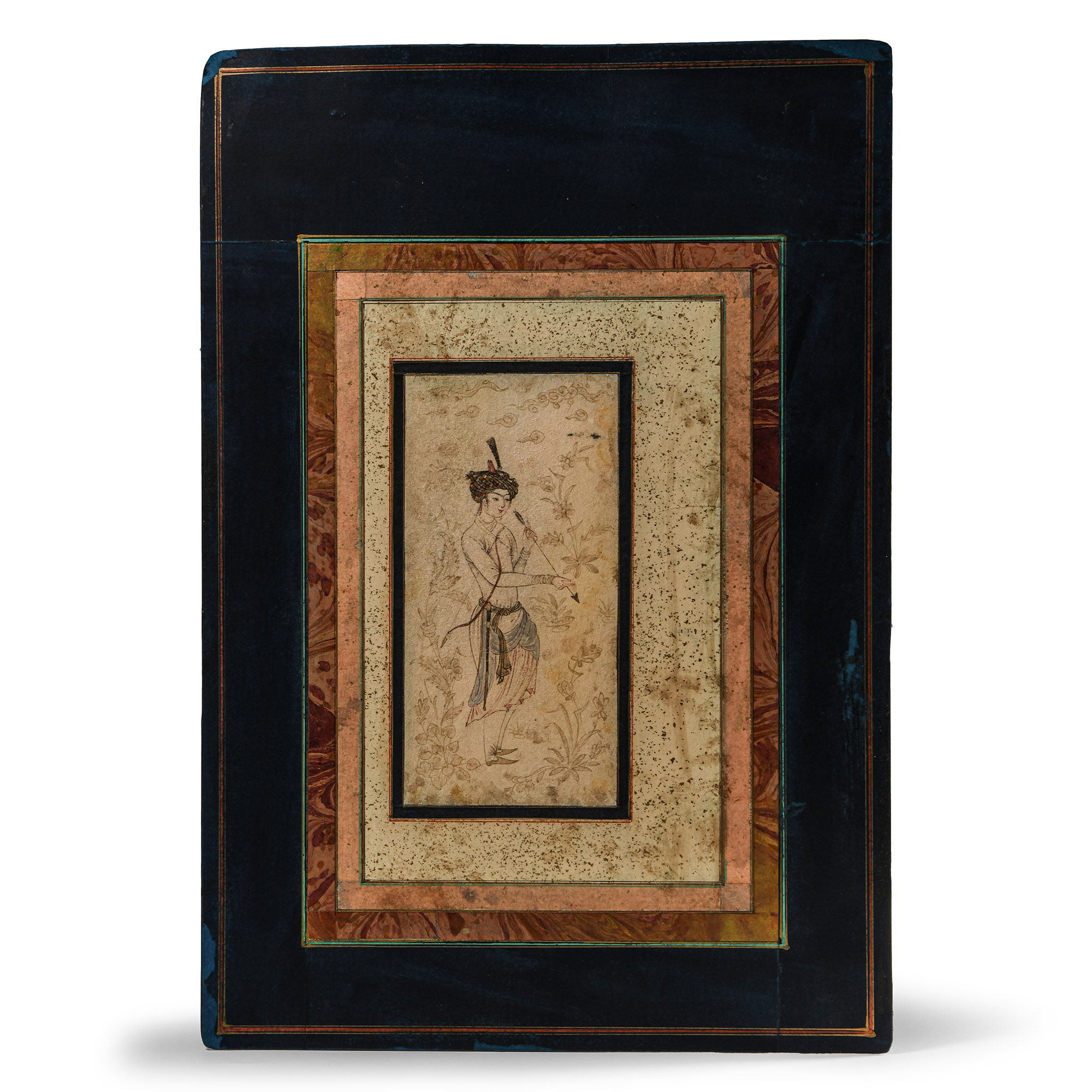
Persian Watercolour Painting
20TH CENTURY A.D.
14 1/8 x 9 3/4 in. (57 grams, 36 x 24.7 cm).
Showing an archer examining his arrow, bow hanging on his arm, standing amidst flowering plants, wisps of cloud above, framed by speckled gilt and marbled borders. [No Reserve]
ProvenanceLondon collection since the 1980s.
Property of a Canadian family.
TimeLine Auctions follows a vetting process to ensure the authenticity and legality of all items, reinforcing our commitment to integrity and responsible trading. Each antiquity, antique, and coin lot undergoes thorough examination by a vetting committee of at least ten external specialists, professional trade association members, scientists, and archaeologists: Our Vetting Process
AUCTIONS:
TimeLine is a leading auction house specialising in antiquities, ancient art, collectables, natural history, coins, medals, and books. Our auctions offer museums, collectors, historians, and enthusiasts the opportunity to acquire unique and historically significant pieces.
-
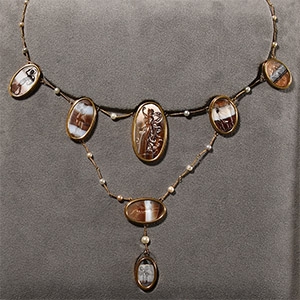
Georgian Gold Necklace with Gemstones
Circa 18th century A.D.Estimate: £6,000 - 8,000 (+bp*)
Opening Bid: £3,333
Composed of a series of slender coiled wire links, each punctuated with a single pearl bead; featuring seven cut and polished agate intaglio gemstones set in open-backed gold frames and showing a variety of gods, goddesses, symbols and creatures from Classical mythology; held in a custom-made hinged display case with fastening clasp. 30.02 grams, 40.5 cm long
Acquired in the late 1980s-early 1990s. Important North West London collection. This lot has been checked against the Interpol Database of stolen works of art and is accompanied by search certificate number no.11912-204570. -
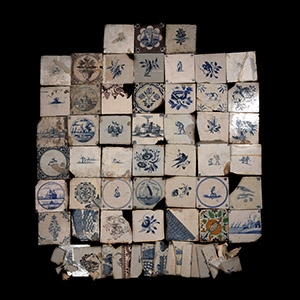
Post Medieval Dutch Glazed Ceramic Tile Group
Circa 17th-18th century A.D.Sold for (Inc. bp): £104
Comprising glazes of various colours and designs including figural scenes, wild, domestic and cattle animals, flowers, landscapes, geometric motifs and insects, amongst others. 15 kg total, 13 cm wide each
Acquired 1990s-early 2000s. East Anglian private collection. -
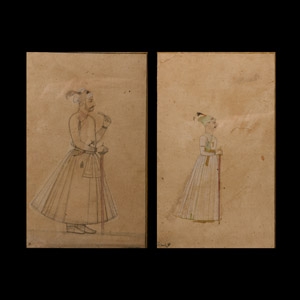
Framed Watercolour Painting Pair by Assad Irani
Persia, early 19th century A.D.Estimate: £200 - 300 (+bp*)
Opening Bid: £111
Each showing a nobleman standing right, leaning on a sword, concentric borders and gold-coloured stipple-effect, signed by an Iranian artist Assad Irani; both mounted in a reveal and a glazed wooden frame. 2.45 kg total, each 42 x 32 cm
Fine condition.
Acquired on the UK art market, 1980s-1990s. The Woodbridge collection of Indo-Persian art.
