
Loading, please wait...
LOT 1342
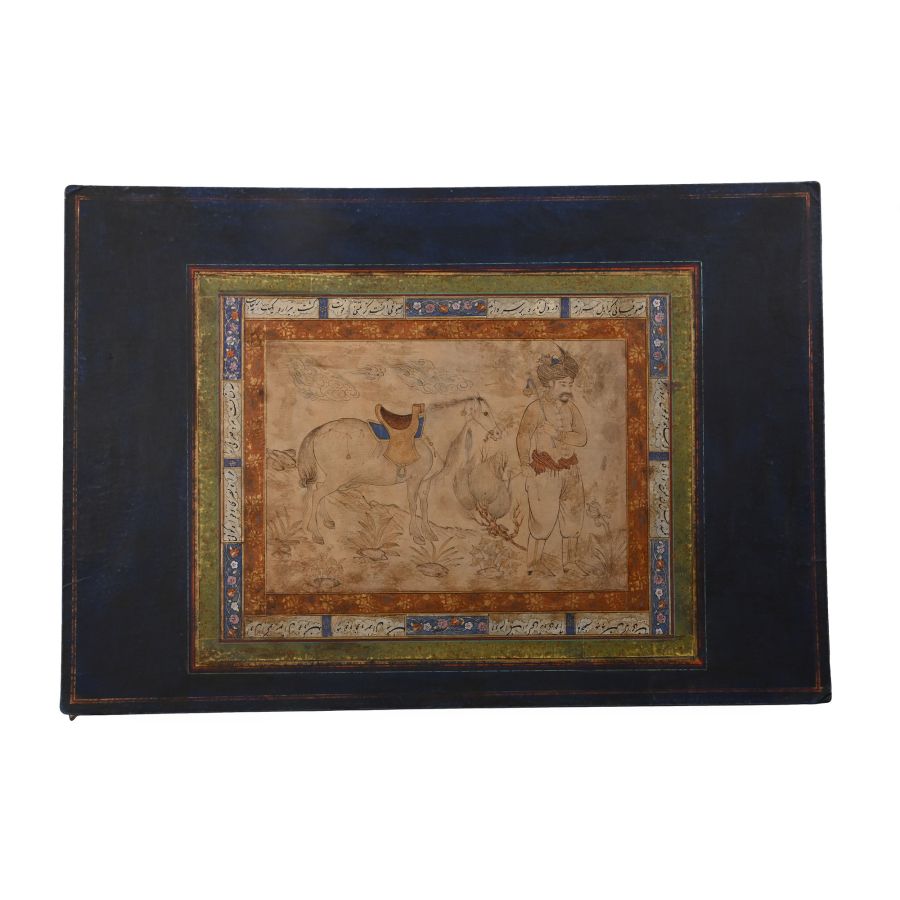
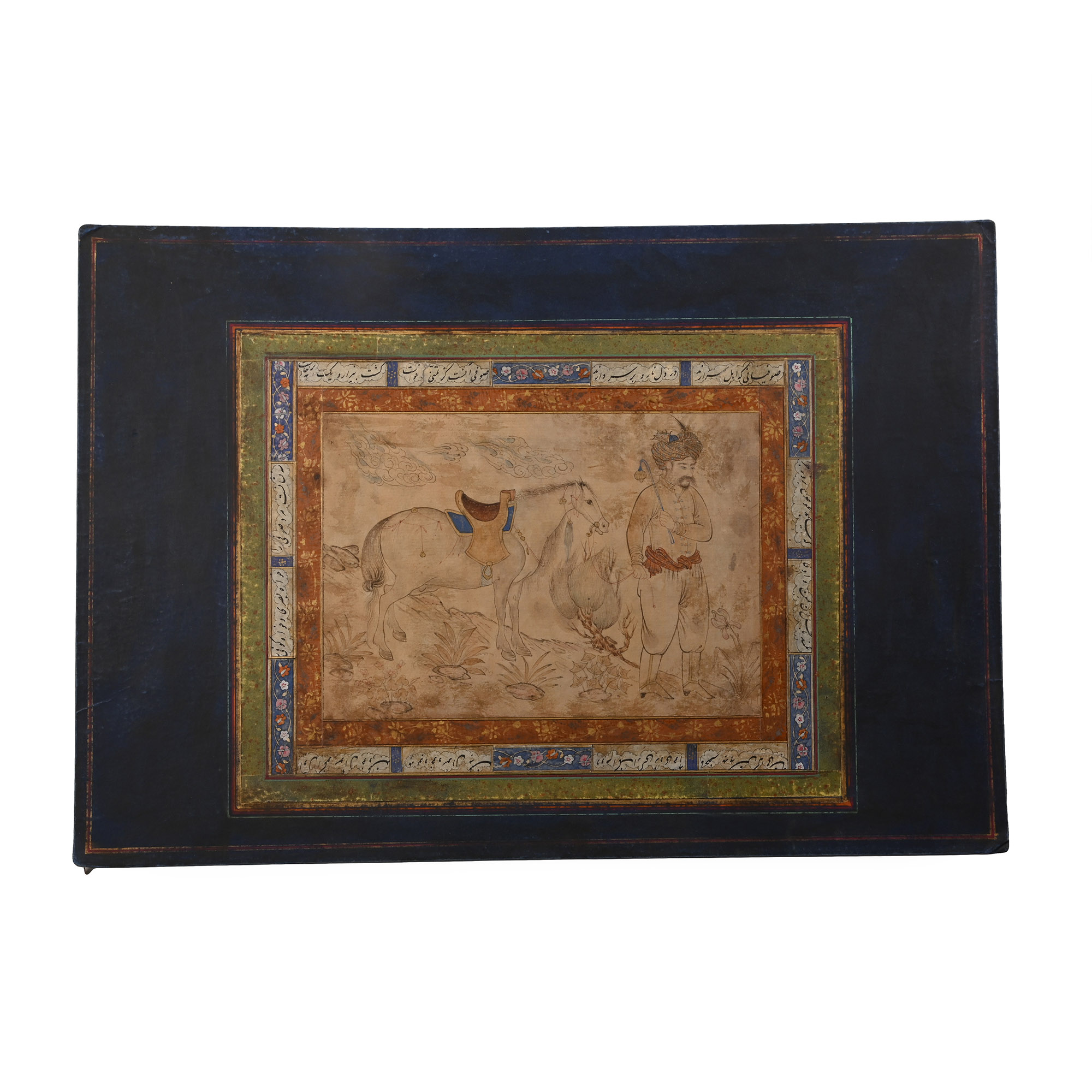
Persian Painted Miniature Leaf with Horse and Rider
LATE 19TH-EARLY 20TH CENTURY A.D.
13 5/8 x 9 3/8 in. (50 grams, 34.5 x 23.7 cm).
Hand-painted rectangular panel depicting a saddled horse and dismounted rider in a landscape; the horse with saddletree and cloth, integral stirrups; the rider with tight-fitting shirt and loose trousers gathered by a sash at the waist, riding boots, holding a riding crop; surrounded by concentric reveals in contrasting colours and decorative schemes. [No Reserve]
ProvenancePrivate collection, UK.
CONDITIONTimeLine Auctions follows a vetting process to ensure the authenticity and legality of all items, reinforcing our commitment to integrity and responsible trading. Each antiquity, antique, and coin lot undergoes thorough examination by a vetting committee of at least ten external specialists, professional trade association members, scientists, and archaeologists: Our Vetting Process
AUCTIONS:
TimeLine is a leading auction house specialising in antiquities, ancient art, collectables, natural history, coins, medals, and books. Our auctions offer museums, collectors, historians, and enthusiasts the opportunity to acquire unique and historically significant pieces.
-
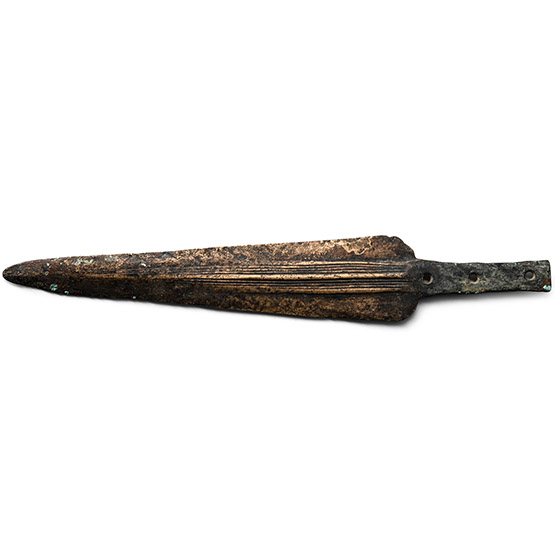
Luristan Bronze Dagger Blade
800-600 B.C.Sold for (Inc. bp): £195
With a triangular blade fitted with three fullers, with a handle cast onto the blade, showing three fastening holes. 72 grams, 20 cm
Ex Abelita family collection, 1980s-2000s.
These weapons belong to the Early Median and Achaemenid Period. The blades were often inserted inside an openwork scabbard, cast with the lost wax process, while the handle was instead cast onto the blade. -
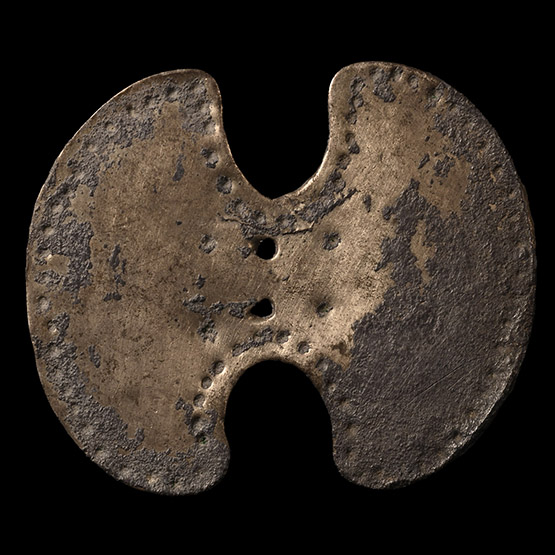
Early Bronze Age Silver Idol
Circa 2400-2100 B.C.Sold for (Inc. bp): £1,872
Of unusual double pelta type, symbolising a female human body, embossed dots to the perimeter and two holes to the centre. 17.88 grams, 64 mm
From a private family collection formed since the early 19th century, thence by descent. Property of a New Zealand legal professional. Accompanied by an academic report by Dr Raffaele D’Amato. This lot has been checked against the Interpol Database of stolen works of art and is accompanied by search certificate number no.12318-223718. -
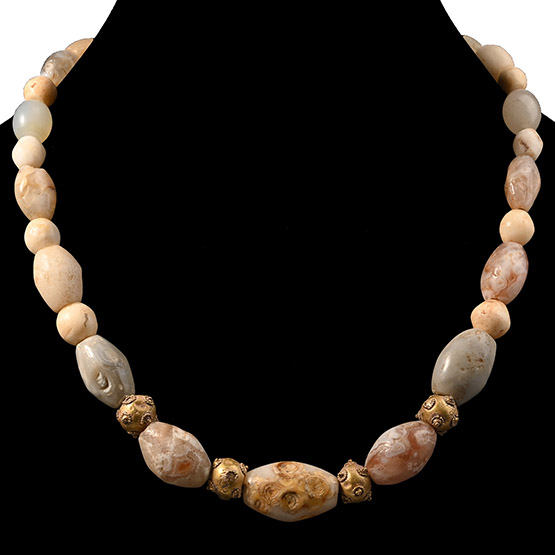
Western Asiatic Agate and Gold Bead Necklace
1st millennium B.C. and laterSold for (Inc. bp): £1,040
Restrung group of oval and other agate beads with interstitial spherical gold beads with granule clusters. 96.6 grams, 52.5 cm
From the collection of a late Japanese gentleman, 1970s onwards.
