
LOT 3359
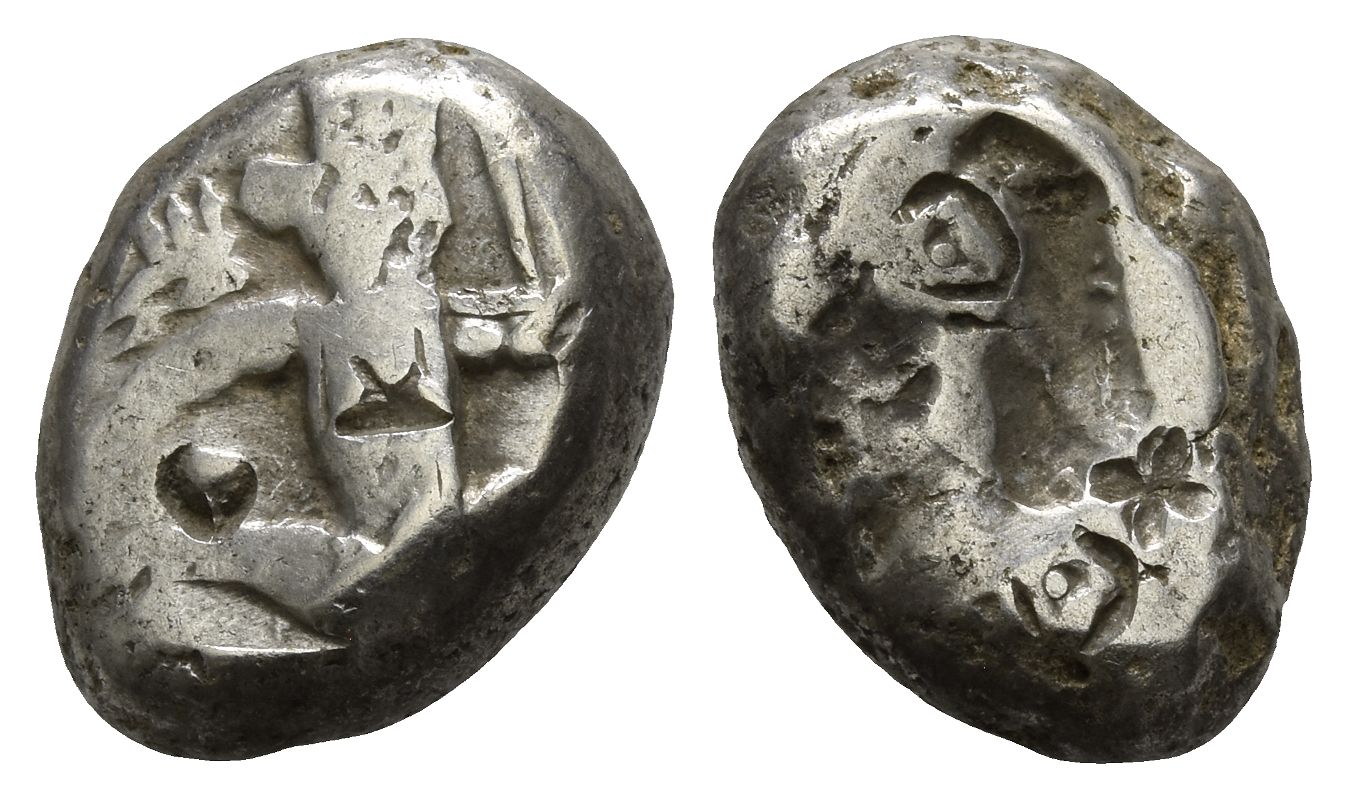
Persia. Achaemenid Empire, Time of Darius II to Artaxerxes II AR Siglos. Circa 420-375 BC. Sardes mint or subsidiary mint. Type IV (middle) B.
Lydo-Milesian standard. Persian king or hero, wearing kidaris and kandys, quiver over shoulder, in kneeling-running stance to right, holding dagger in right hand, bow in left / Oblong incuse punch. Carradice Type IV, Group B; BMC Arabia pl. XXVI, 17. Near Very Fine. Countermarks on both sides.(5.54gr, 16mm.).
ProvenanceEx 'V' gentleman's collection, Switzerland.
From the property of a North London, UK, gentleman.
TimeLine Auctions follows a vetting process to ensure the authenticity and legality of all items, reinforcing our commitment to integrity and responsible trading. Each antiquity, antique, and coin lot undergoes thorough examination by a vetting committee of at least ten external specialists, professional trade association members, scientists, and archaeologists: Our Vetting Process
AUCTIONS:
TimeLine is a leading auction house specialising in antiquities, ancient art, collectables, natural history, coins, medals, and books. Our auctions offer museums, collectors, historians, and enthusiasts the opportunity to acquire unique and historically significant pieces.
LOT 3359
Persia. Achaemenid Empire, Time of Darius II to Artaxerxes II AR Siglos.
Sold for (Inc. bp): £59
-
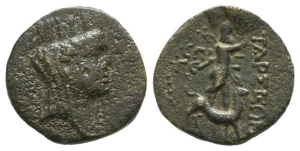
Cilicia, Tarsos AE 20mm. 164-27 BC.
Sold for (Inc. bp): £7
Turretted and veiled bust of Tyche to right / ΤΑΡΣEΩΝ, Sandan standing on back of horned and winged animal to right, wearing tall headdress, bow-case and sword, right hand raised, holding bipennis with left hand; ЄΠΙ ΓЄ in two lines to left. SNG BnF -; SNG Levante -; BMC 102. 5.58gr, 20mm, 12h.
Near Very Fine.
Ex Münzzentrum Rheinland. Property of a Kent, UK, gentleman. -
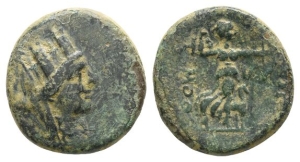
Phrygia, Akmoneia AE 19mm. 1st century BC. ΤΙΜΟΘΕΟΣ (Timotheos), magistrate.
Sold for (Inc. bp): £13
Turreted, veiled and draped bust of Tyche to right / [AKMONE] T[I]MOΘ[...], Artemis advancing to right, holding bow and drawing arrow from quiver; behind, stag standing to right. Cf. SNG von Aulock 3367; cf. BMC 13. 5.35gr, 19mm, 12h.
Very Fine.
Ex Münzzentrum Rheinland. Property of a Kent, UK, gentleman. -
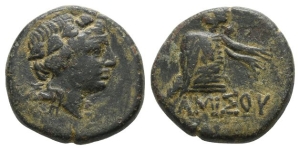
Pontos, Amisos AE 21mm. Time of Mithradates VI Eupator, 120-63 BC.
Sold for (Inc. bp): £13
Head of Dionysos to right, wearing ivy wreath / AMIΣOY, thyrsos leaning against cista mystica, draped with panther skin. SNG BM Black Sea 1200; HGC 7, 243. 8.36gr, 21mm, 11h.
Very Fine.
From the collection of a gentleman, acquired on the London art market in the 1990s.
