
LOT 3309
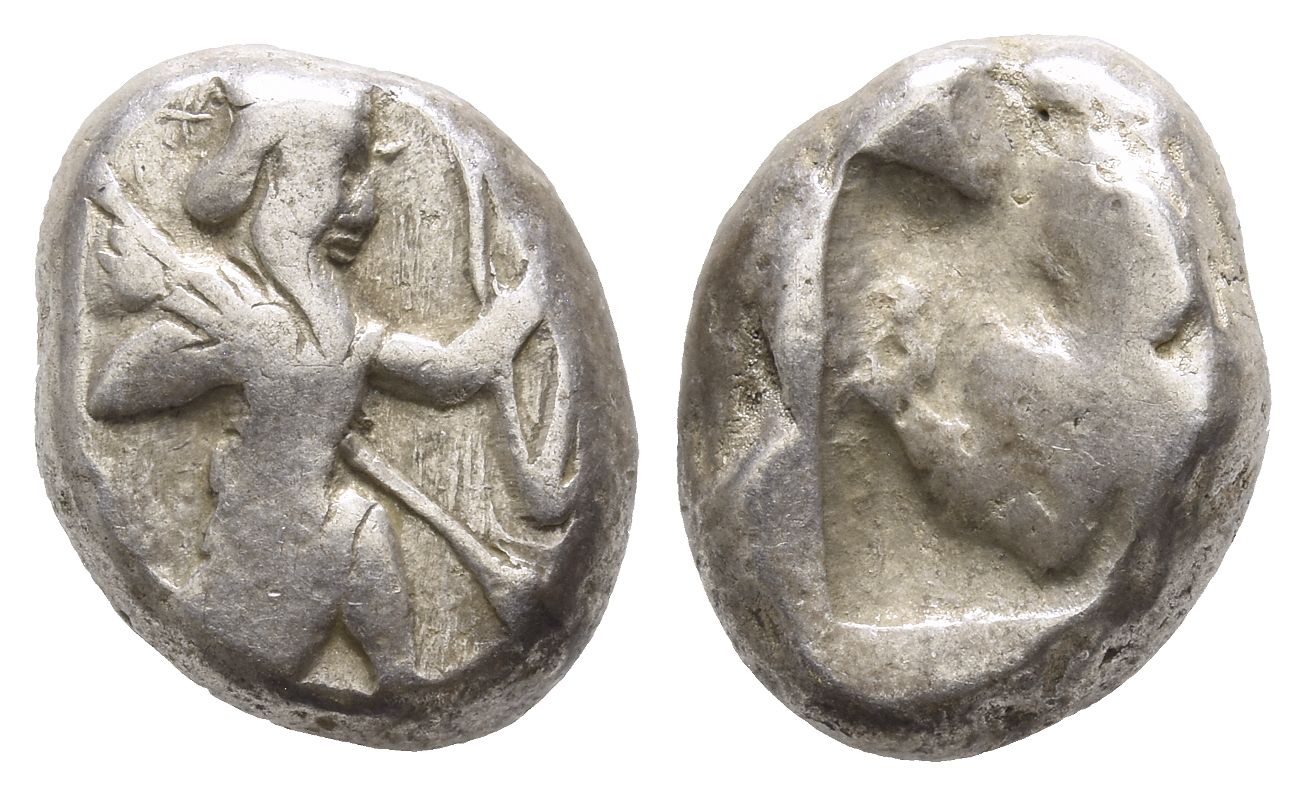
Persia. Achaemenid Empire, Time of Artaxerxes I to Artaxerxes II AR Siglos. Circa 450-375 BC. Sardes or subsidiary mint. Type IIIb (late). Lydo-Milesian standard.
Persian king or hero, wearing kidaris and kandys, quiver over shoulder, in kneeling-running stance to right, holding transverse spear and bow / Oblong incuse punch. Carradice Type IIIb. Very Fine.(5.53gr, 15mm, 12h.).
ProvenanceEx 'V' gentleman's collection, Switzerland.
From the property of a North London, UK, gentleman.
TimeLine Auctions follows a vetting process to ensure the authenticity and legality of all items, reinforcing our commitment to integrity and responsible trading. Each antiquity, antique, and coin lot undergoes thorough examination by a vetting committee of at least ten external specialists, professional trade association members, scientists, and archaeologists: Our Vetting Process
AUCTIONS:
TimeLine is a leading auction house specialising in antiquities, ancient art, collectables, natural history, coins, medals, and books. Our auctions offer museums, collectors, historians, and enthusiasts the opportunity to acquire unique and historically significant pieces.
LOT 3309
Persia. Achaemenid Empire, Time of Artaxerxes I to Artaxerxes II AR Siglos.
Sold for (Inc. bp): £59
-
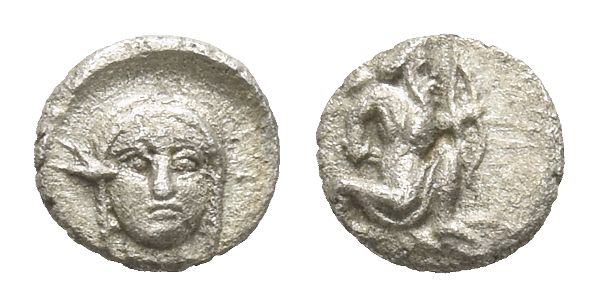
Cilicia, Uncertain Mint AR Tetartemorion. 4th century BC.
Sold for (Inc. bp): £143
Female head facing, her hair in two hanging braids / The Persian Great King in kneeling-running stance to right, holding dagger in his right hand and bow in his left. Göktürk -; Troxell & Kagan 2 var. (hair style); Sunrise 97. 0.14gr, 6mm, 12h.
Good Very Fine. Very rare Tetartemorion.
Acquired on the European coin market. Property of a Kent, UK, gentleman. -
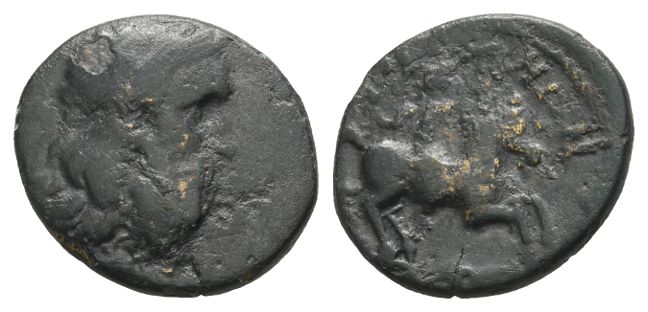
Mysia, Adramyteion AE 18mm. 2nd century BC.
Sold for (Inc. bp): £13
Diademed head of Zeus to right / [AΔPA]ΜΥΤΗ[ΝΩΝ], horseman, wearing chlamys, on horse galloping to right, raising his right hand in salute. SNG BnF 9-10; Stauber & Barth 58; Von Fritze 25. 2.92gr, 18mm, 12h.
Near Very Fine.
Acquired on the European coin market. Property of a Kent, UK, gentleman. -
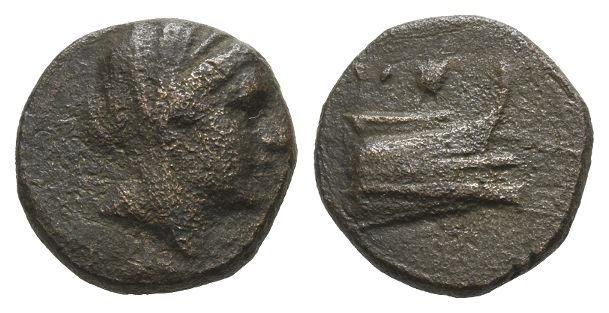
Islands off Caria. Rhodos, Rhodes AE 14mm. Circa 226-220 B.C.
Sold for (Inc. bp): £78
Diademed and veiled female bust (of Berenike II?) to right / [PO], prow of galley to right; above, rose. R. Ashton: Rhodian Bronze Coinage and the Earthquake of 229-229 BC, in: NC 1986, Group 1; BMC 228; SNG Kayhan 1706. 3.04gr, 14mm, 5h.
Very Fine. Very rare and of historical importance.
Acquired on the European coin market. Property of a Kent, UK, gentleman.
R. Ashton connects this type with the disaster relief sent by Ptolemy III to Rhodes after the devastating earthquake of circa 226 BC.
