
Loading, please wait...
LOT 0554
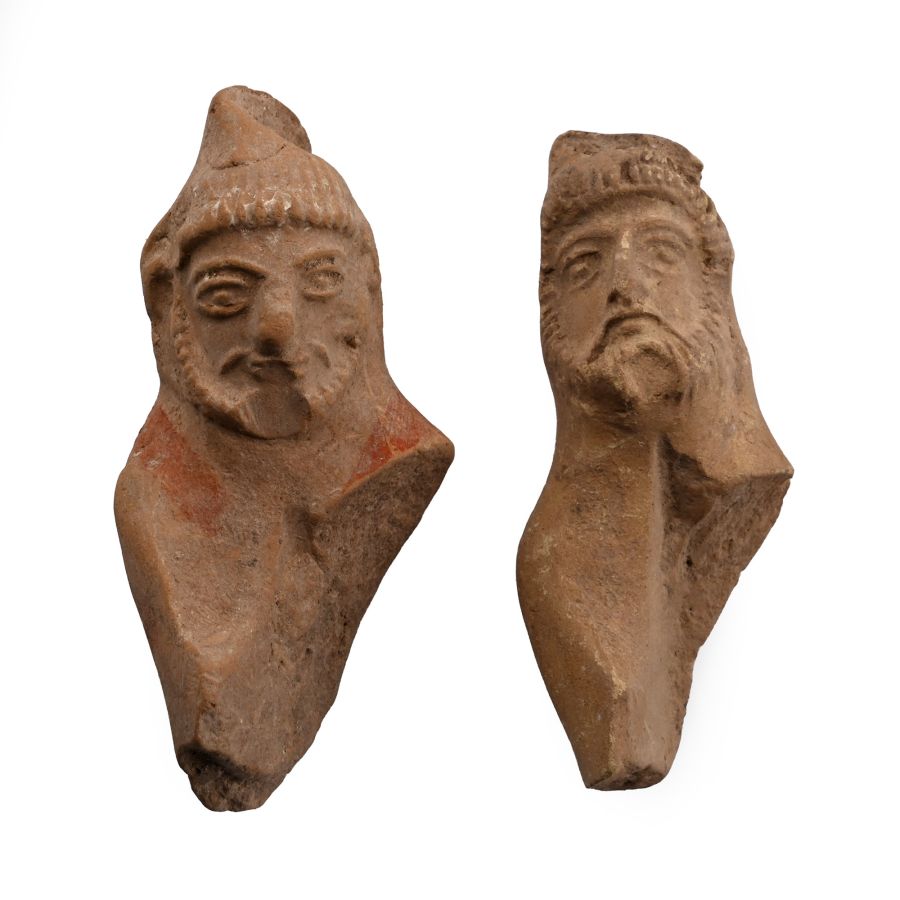
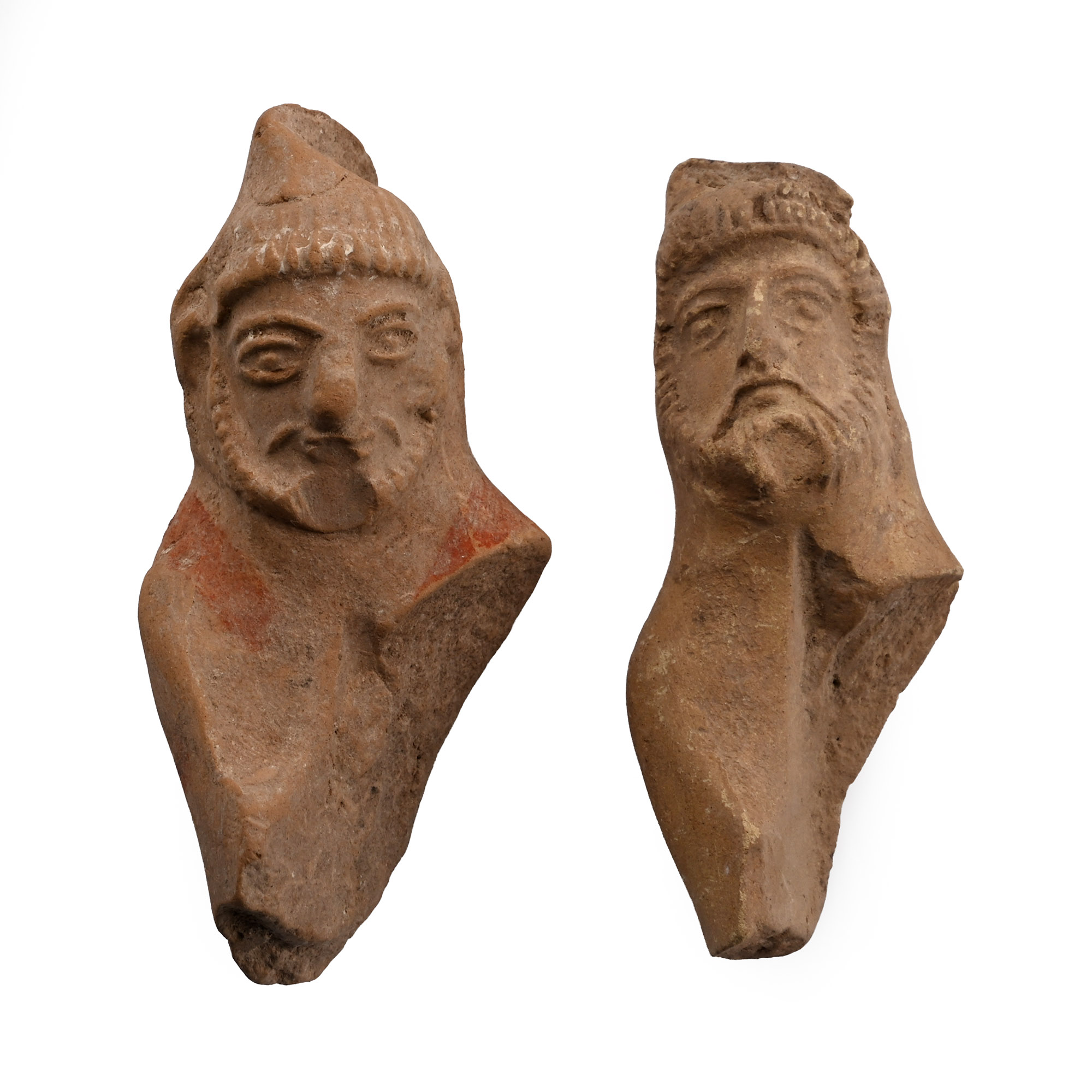
Parthian Terracotta Head Group
3RD CENTURY B.C.-2ND CENTURY A.D.
2 1/2 in. (49.5 grams total, 65 mm).
Each with beard, lentoid eyes and ribbed cap. [2, No Reserve]
ProvenanceFrom a private Belgian collection; previously part of a private collection formed in Germany in the 1990s.
From the private collection of John Meredith, acquired since the 1990s; thence by descent.
This lot is accompanied by an illustrated lot declaration signed by the Head of the Antiquities Department, Dr Raffaele D'Amato.
TimeLine Auctions follows a vetting process to ensure the authenticity and legality of all items, reinforcing our commitment to integrity and responsible trading. Each antiquity, antique, and coin lot undergoes thorough examination by a vetting committee of at least ten external specialists, professional trade association members, scientists, and archaeologists: Our Vetting Process
AUCTIONS:
TimeLine is a leading auction house specialising in antiquities, ancient art, collectables, natural history, coins, medals, and books. Our auctions offer museums, collectors, historians, and enthusiasts the opportunity to acquire unique and historically significant pieces.
-
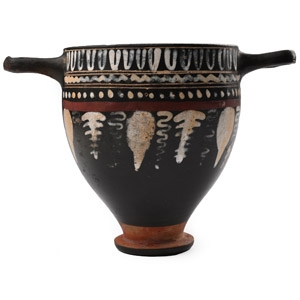
Greek Apulian Gnathian Ware Skyphos
Magna Graecia, 5th-3rd century B.C.Sold for (Inc. bp): £364
With mammiform body, pedestal base and two loop handles; ovolo patterns in white and pellets in ochre beneath, horizontal garland of flowers to one face, frond to reverse. 116 grams,13.5 cm wide
From the private collection of a Canadian gentleman living in Essex, UK, formed since the 1920s-circa 1990. Property of an Essex lady until the late 1990s; thence by descent. From the private collection of an Essex gentleman since the late 1990s. This lot is accompanied by an illustrated lot declaration signed by the Head of the Antiquities Department, Dr Raffaele D'Amato. -
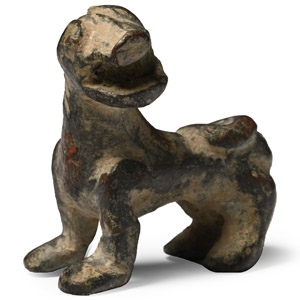
Parthian Bronze Lion Statuette
2nd-3rd century A.D.Sold for (Inc. bp): £111
Modelled standing on squat legs, long tail draped along the back, head turned to the left with open jaws, stylised mane detailing behind the neck. 40 grams, 32 mm
Ex German art market, 2000s. Acquired from an EU collector living in London. From the collection of a Surrey, UK, gentleman. This lot is accompanied by an illustrated lot declaration signed by the Head of the Antiquities Department, Dr Raffaele D'Amato. -
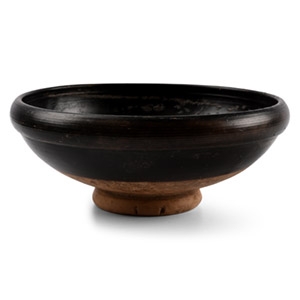
Greek Black-Glazed Bowl with Inverted Rim
South Italic, circa 4th century B.C.Sold for (Inc. bp): £156
Broad and shallow with basal ring, carinated rim. 276 grams, 15.3 cm
From the private collection of a Canadian gentleman living in Essex, UK, formed since the 1920s-circa 1990. Property of an Essex lady until the late 1990s; thence by descent. From the private collection of an Essex gentleman since the late 1990s. This lot is accompanied by an illustrated lot declaration signed by the Head of the Antiquities Department, Dr Raffaele D'Amato.
