
Loading, please wait...
LOT 0581
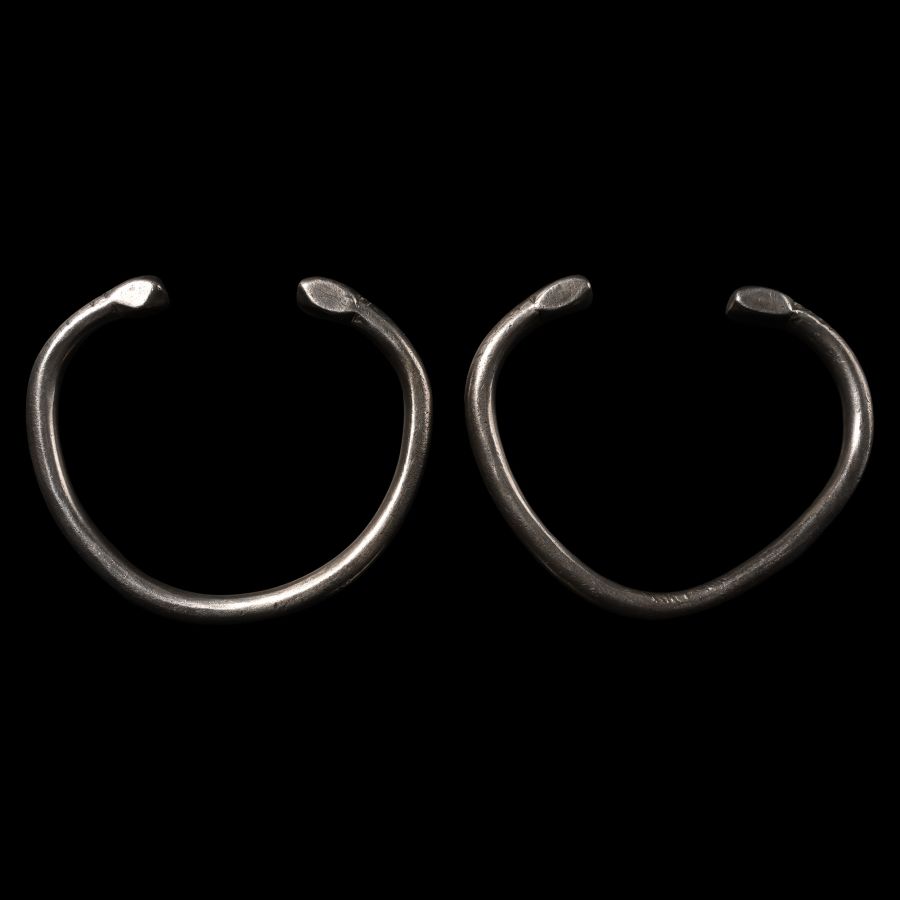
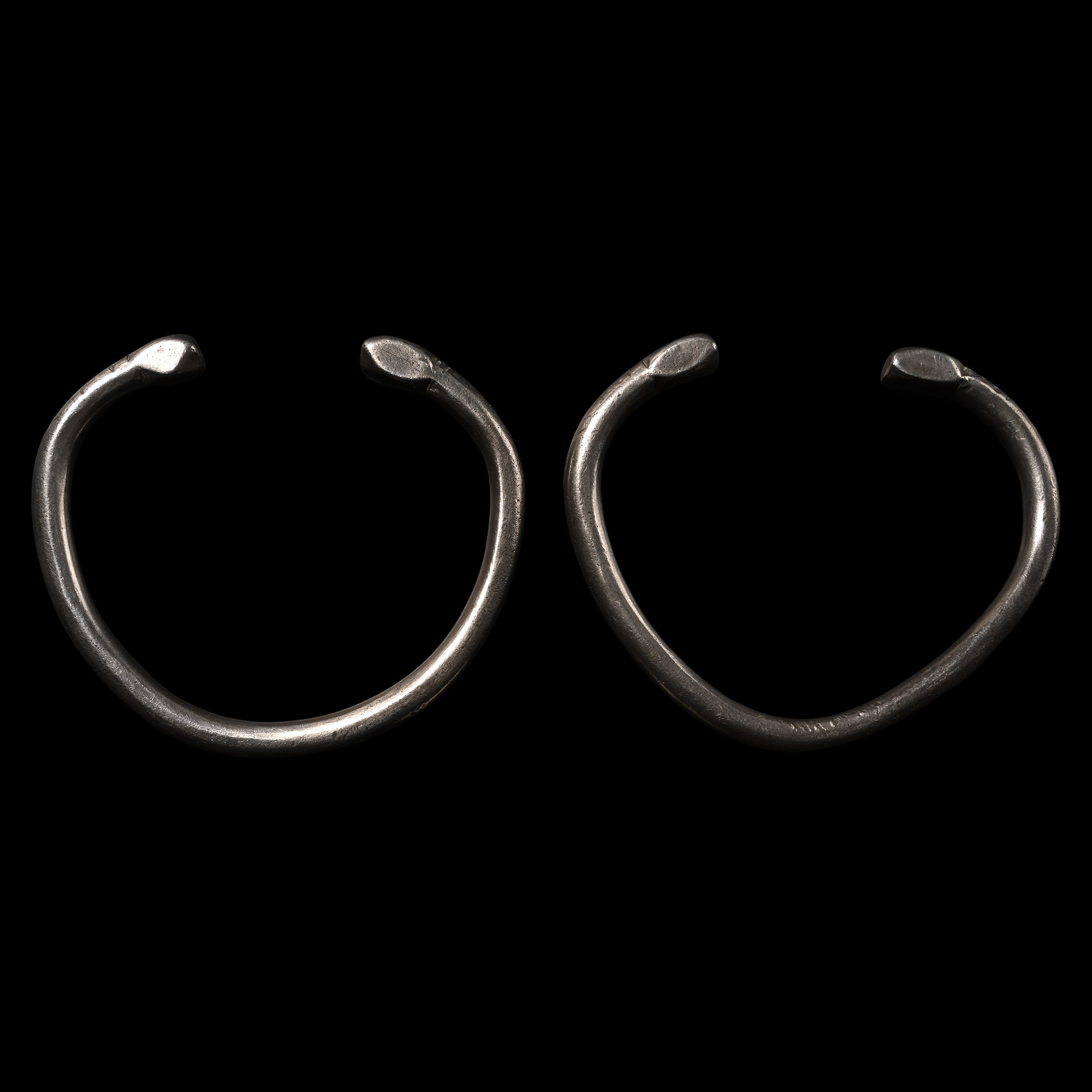
Parthian Silver Bracelet Pair
2ND CENTURY B.C.-2ND CENTURY A.D.
3 3/8 - 3 1/2 in. (174 grams total, 86-89 mm).
Matched pair of penannular bracelets with round-section bodies and polygonal finials, hatched decoration above the finials. [2]
Provenancewith a London, UK gallery 1971-early 2000s.
CONDITIONTimeLine Auctions follows a vetting process to ensure the authenticity and legality of all items, reinforcing our commitment to integrity and responsible trading. Each antiquity, antique, and coin lot undergoes thorough examination by a vetting committee of at least ten external specialists, professional trade association members, scientists, and archaeologists: Our Vetting Process
AUCTIONS:
TimeLine is a leading auction house specialising in antiquities, ancient art, collectables, natural history, coins, medals, and books. Our auctions offer museums, collectors, historians, and enthusiasts the opportunity to acquire unique and historically significant pieces.
-
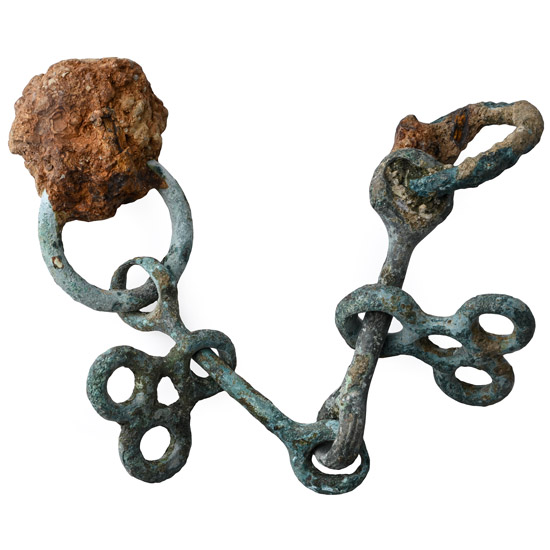
Villanovan Bronze Horse Bit
Iron Age, circa 8th century B.C.Sold for (Inc. bp): £845
A snaffle bit with a loop at each outer end with ferrous remains and a three-lobed strap junction attached to the straight mouth bars. 280 grams, 26.9 cm
From the private collection of a European gentleman (1942-2024), formed since the 1970s. -
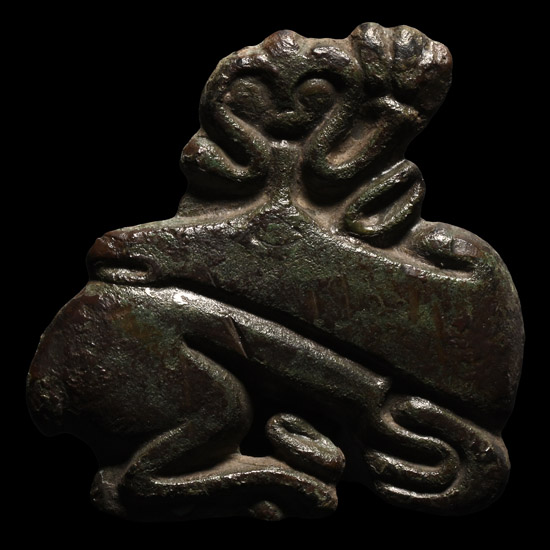
Scythian Bronze Stag Facing Back Mount
Circa 6th-4th century B.C.Sold for (Inc. bp): £130
Formed as a crouching stag with its legs tucked underneath the body, head turned back and resting against the body, scrolled horns. 23.6 grams, 40.8 mm
From the private collection of a European gentleman (1942-2024), formed since the 1970s. -
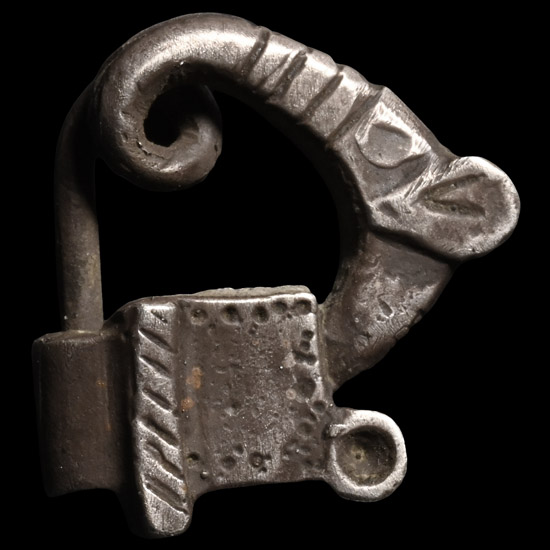
Phrygian Silver Bow Brooch
Iron Age, circa 8th-7th century B.C.Sold for (Inc. bp): £65
The bow formed as a stylised animal with teardrop-shaped ears and a long, curving trunk extending as the pin, square footplate with a small loop. 2.93 grams, 16.12 mm
From the private collection of a European gentleman (1942-2024), formed since the 1970s.
