
Loading, please wait...
LOT 0588
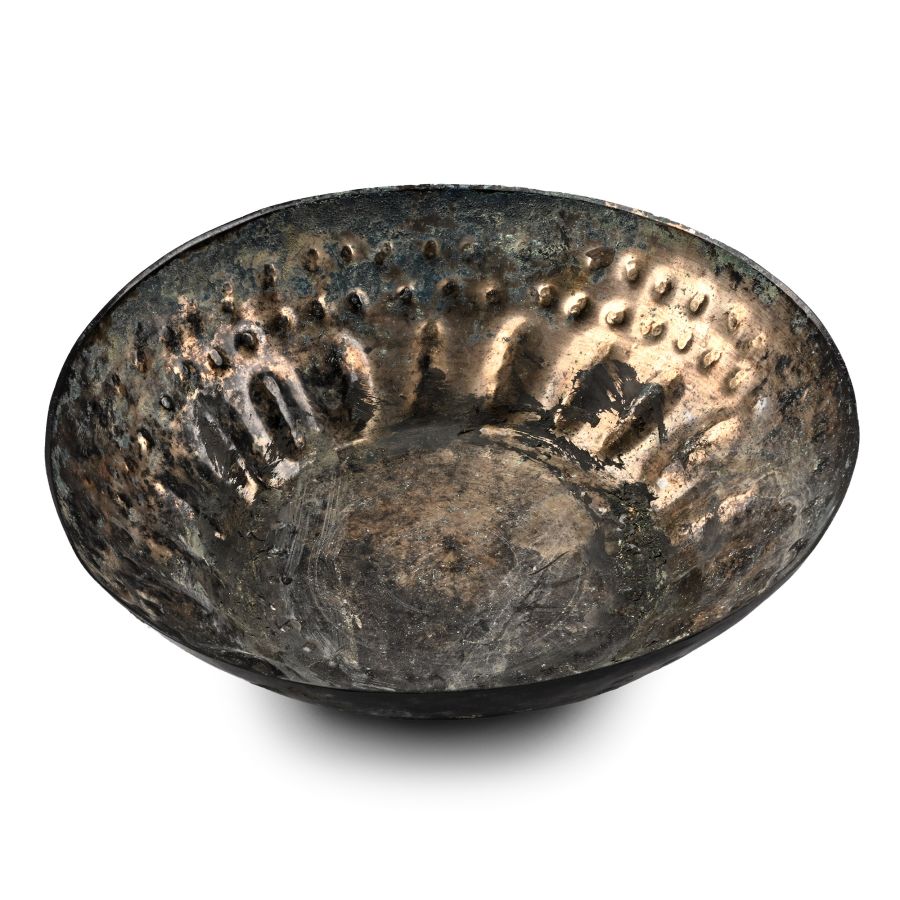
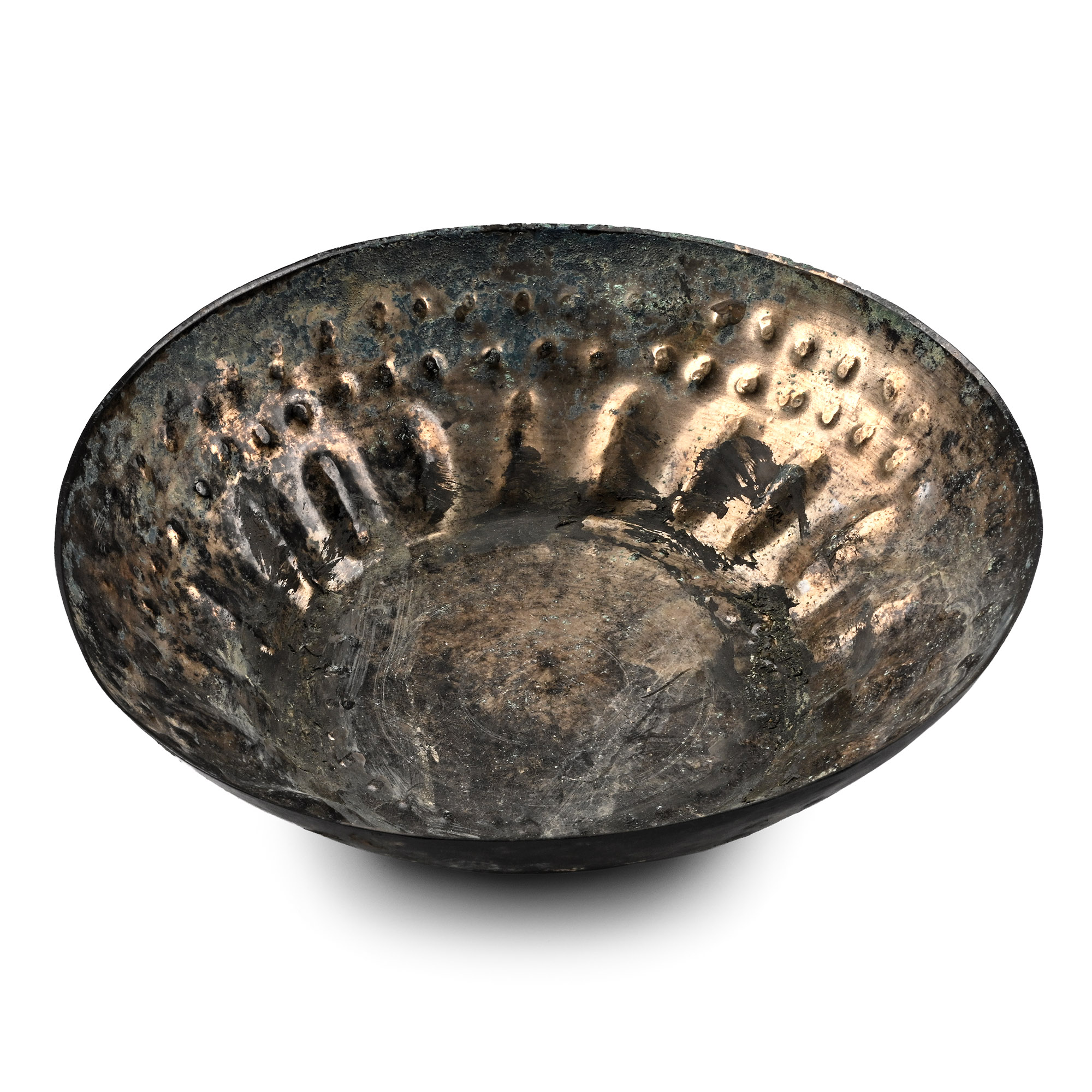
Parthian Punch-Decorated Bronze Bowl
2ND CENTURY B.C.-1ST CENTURY A.D.
6 3/4 in. (135 grams, 17.1 cm wide).
Broad and shallow with flared sidewall, two parallel circumferential rows of repoussé pellets.
ProvenanceFrom the collection of North West London, UK, gentleman, 1990-2000s.
CONDITIONTimeLine Auctions follows a vetting process to ensure the authenticity and legality of all items, reinforcing our commitment to integrity and responsible trading. Each antiquity, antique, and coin lot undergoes thorough examination by a vetting committee of at least ten external specialists, professional trade association members, scientists, and archaeologists: Our Vetting Process
AUCTIONS:
TimeLine is a leading auction house specialising in antiquities, ancient art, collectables, natural history, coins, medals, and books. Our auctions offer museums, collectors, historians, and enthusiasts the opportunity to acquire unique and historically significant pieces.
-
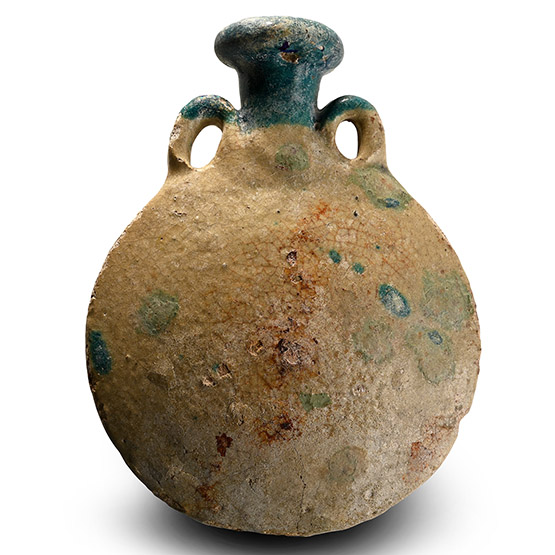
Parthian Blue Glazed Water Vessel
2nd century B.C.Estimate: £400 - 600 (+bp*)
Opening Bid: £160
Discoid body and short tubular neck with everted rim, two loop handles. 561 grams, 19.2 cm
Ex London, UK gallery, 1971-early 2000s. Private collection, London. -
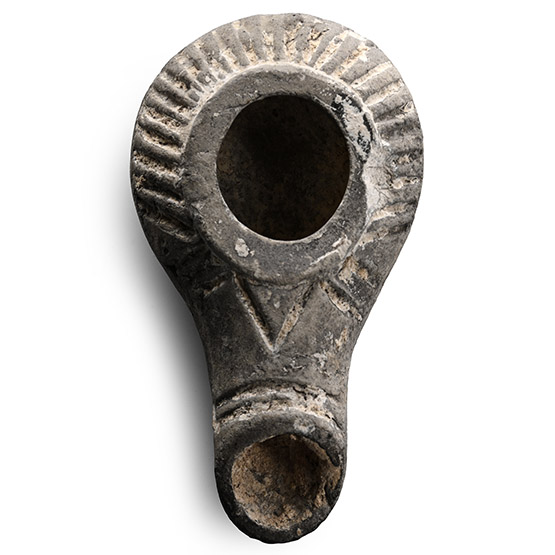
Greek Delphiniform Greyware Oil Lamp
Hellenistic, late 2nd-1st century B.C.Sold for (Inc. bp): £52
Slipper-shaped in plan and biconvex in section with radiating hatching to the shoulder, long nozzle with scooped end; impressed motif (maker's mark) to centre of the underside. 36 grams, 82 mm
From the Lloyd and Jeanne Raport collection, Washington, D.C. and Florida, USA, formed between 1972-2000. Acquired through Bonhams, London, UK. -
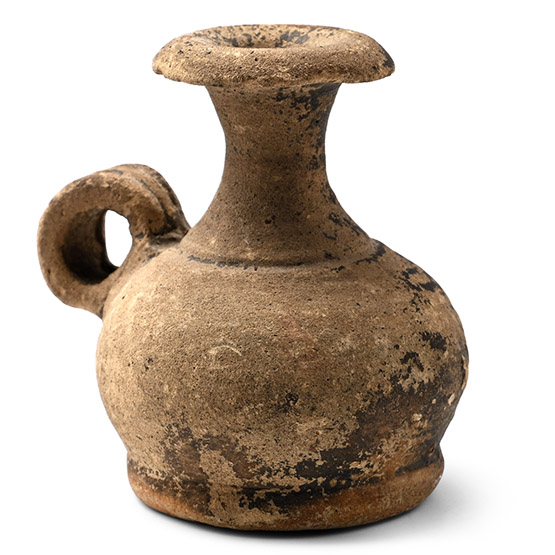
Greek Terracotta Handled Lekythos
4th-3rd century B.C.Sold for (Inc. bp): £98
Bulbous body and conical mouth with flat inverted rim, strap handle with ribbing, low discoid foot. 32.7 grams, 51 mm
From a Scottish gentleman’s collection, Glasgow, formed from the early 2000s.
