
Loading, please wait...
LOT 1221
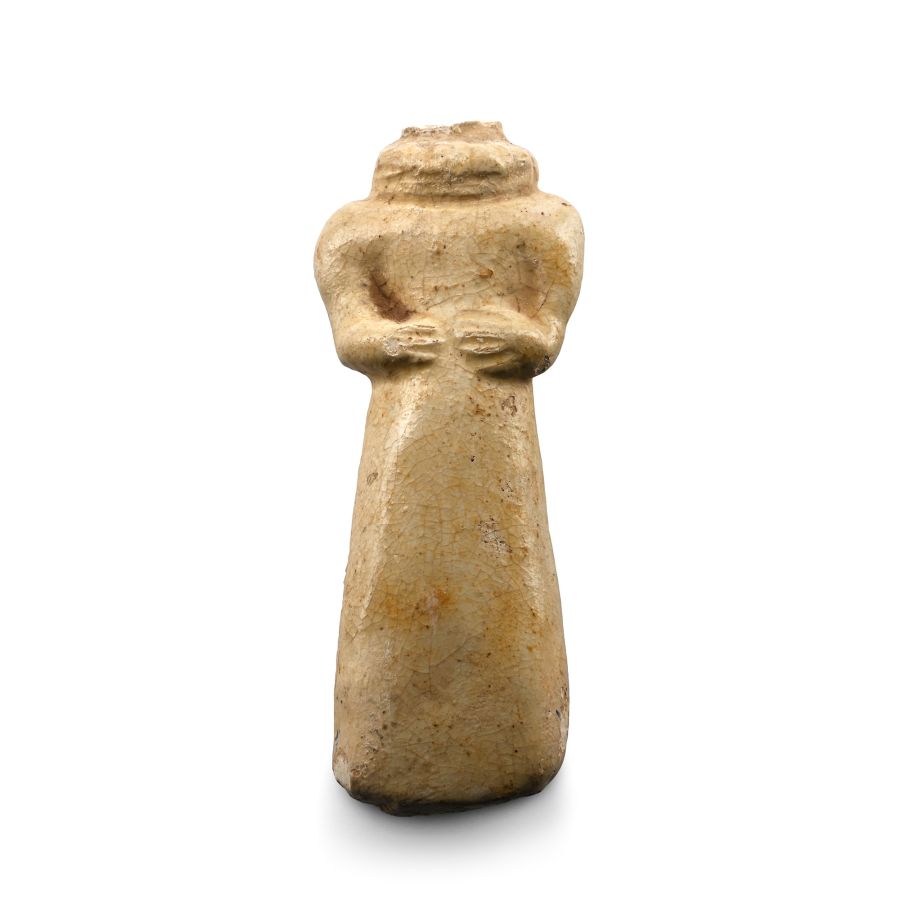
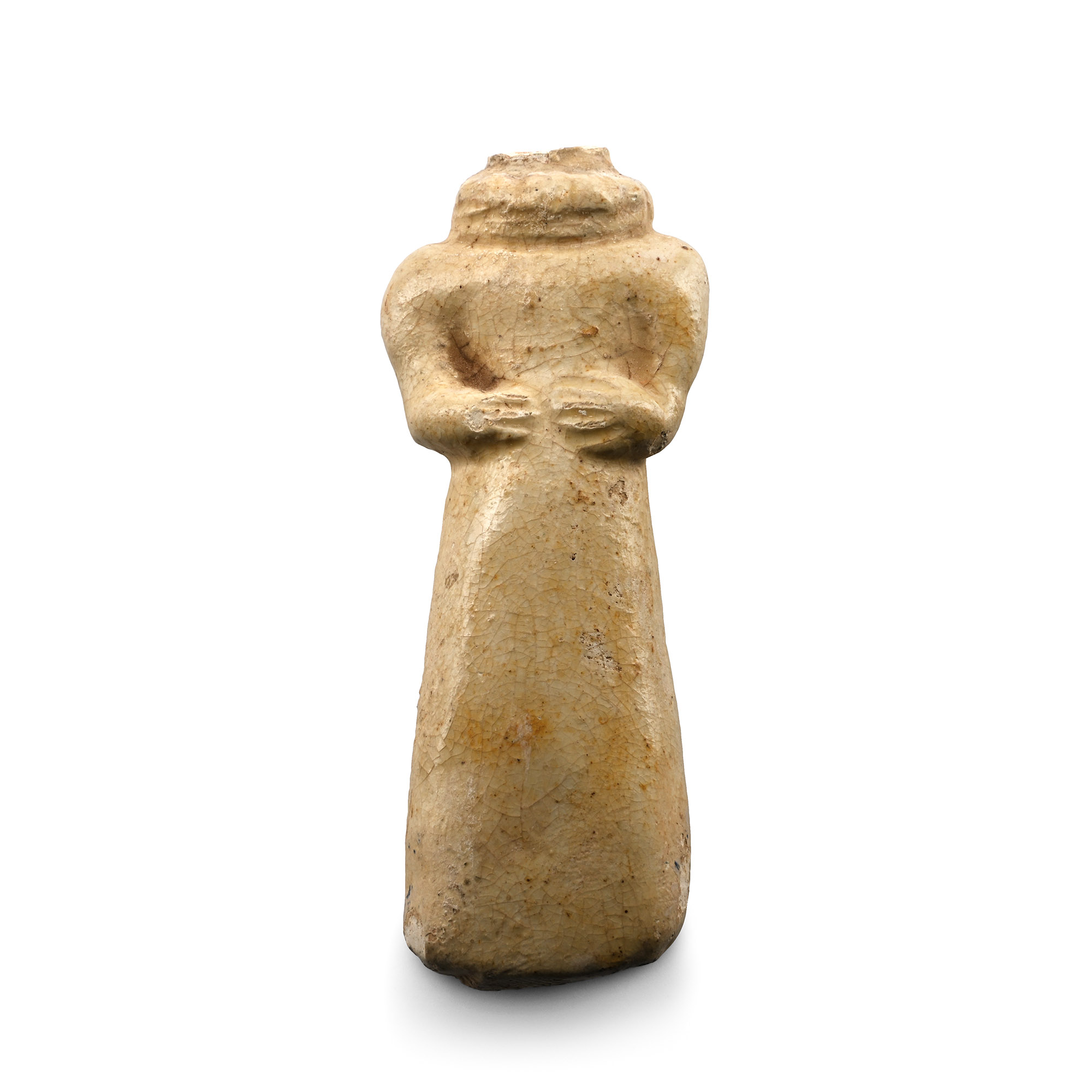
Parthian Glazed Terracotta Fertility Figure
2ND CENTURY B.C.-2ND CENTURY A.D.
3 1/2 in. (47 grams, 84 mm).
Modelled in the round in floor-length robed with hands placed flat on the abdomen, tiered collar. [No Reserve]
ProvenanceEx private collection, London, UK, 1969-1999.
CONDITIONTimeLine Auctions follows a vetting process to ensure the authenticity and legality of all items, reinforcing our commitment to integrity and responsible trading. Each antiquity, antique, and coin lot undergoes thorough examination by a vetting committee of at least ten external specialists, professional trade association members, scientists, and archaeologists: Our Vetting Process
AUCTIONS:
TimeLine is a leading auction house specialising in antiquities, ancient art, collectables, natural history, coins, medals, and books. Our auctions offer museums, collectors, historians, and enthusiasts the opportunity to acquire unique and historically significant pieces.
-
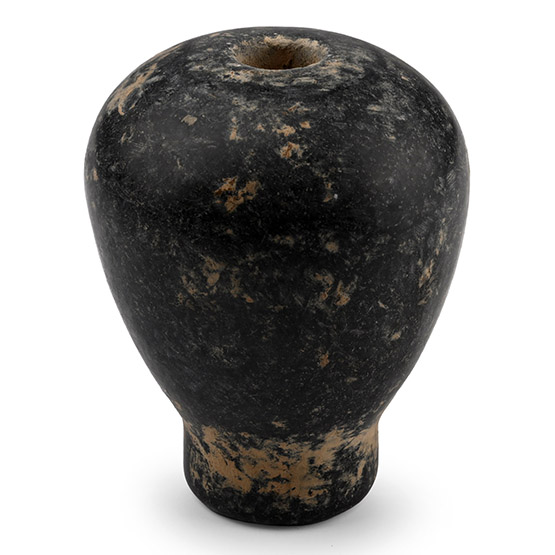
Western Asiatic Stone Macehead
3rd millennium B.C.Sold for (Inc. bp): £124
Piriform in profile with extended tubular socket. 494 grams, 82 mm
From a London, UK, collection, 2000s. -
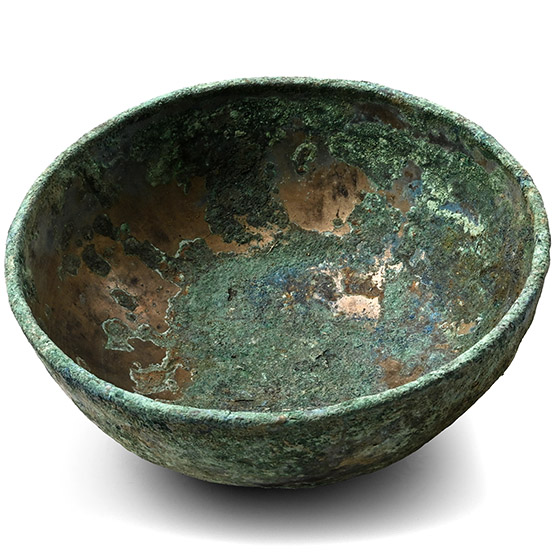
Wester Asiatic Bronze Bowl
Late 1st millennium B.C.Sold for (Inc. bp): £85
Broad and hemispherical in profile with thickened inturned rim. 420 grams, 15.5 cm
From the collection of North West London, UK, gentleman, 1990-2000s. -
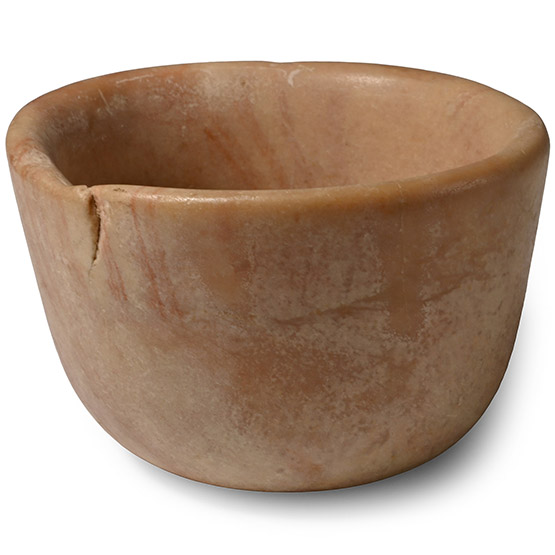
Western Asiatic Stone Cup
1st millennium B.C.Estimate: £100 - 140 (‡+bp*)
Opening Bid: £50
Carved with a broad flat base, gently flared profile, rounded rim. 174 grams, 72 mm wide
Private collection, assembled in the 1950s-1970s, thence by descent.
