
Loading, please wait...
LOT 0610
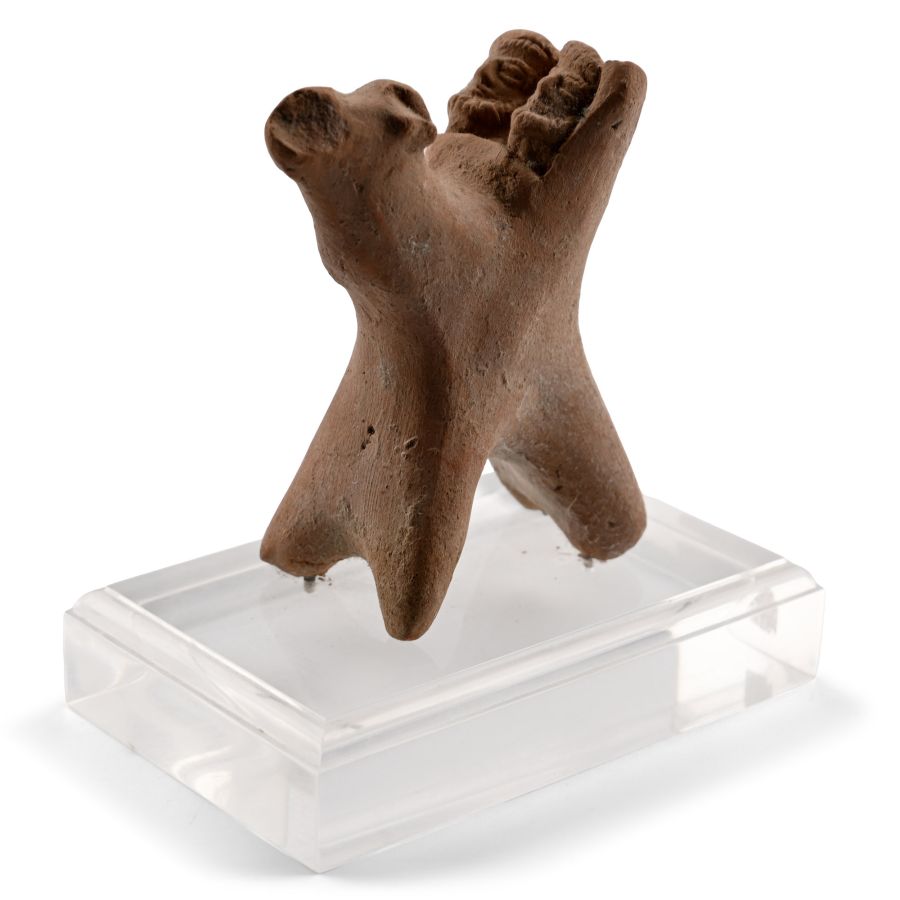
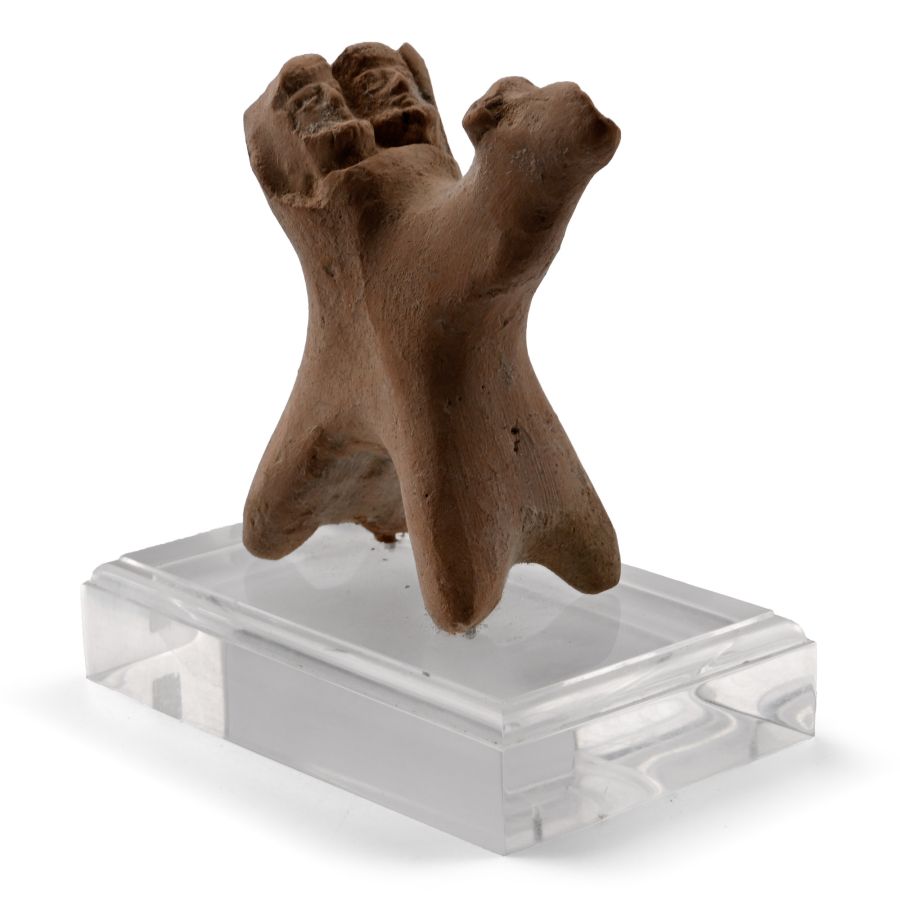
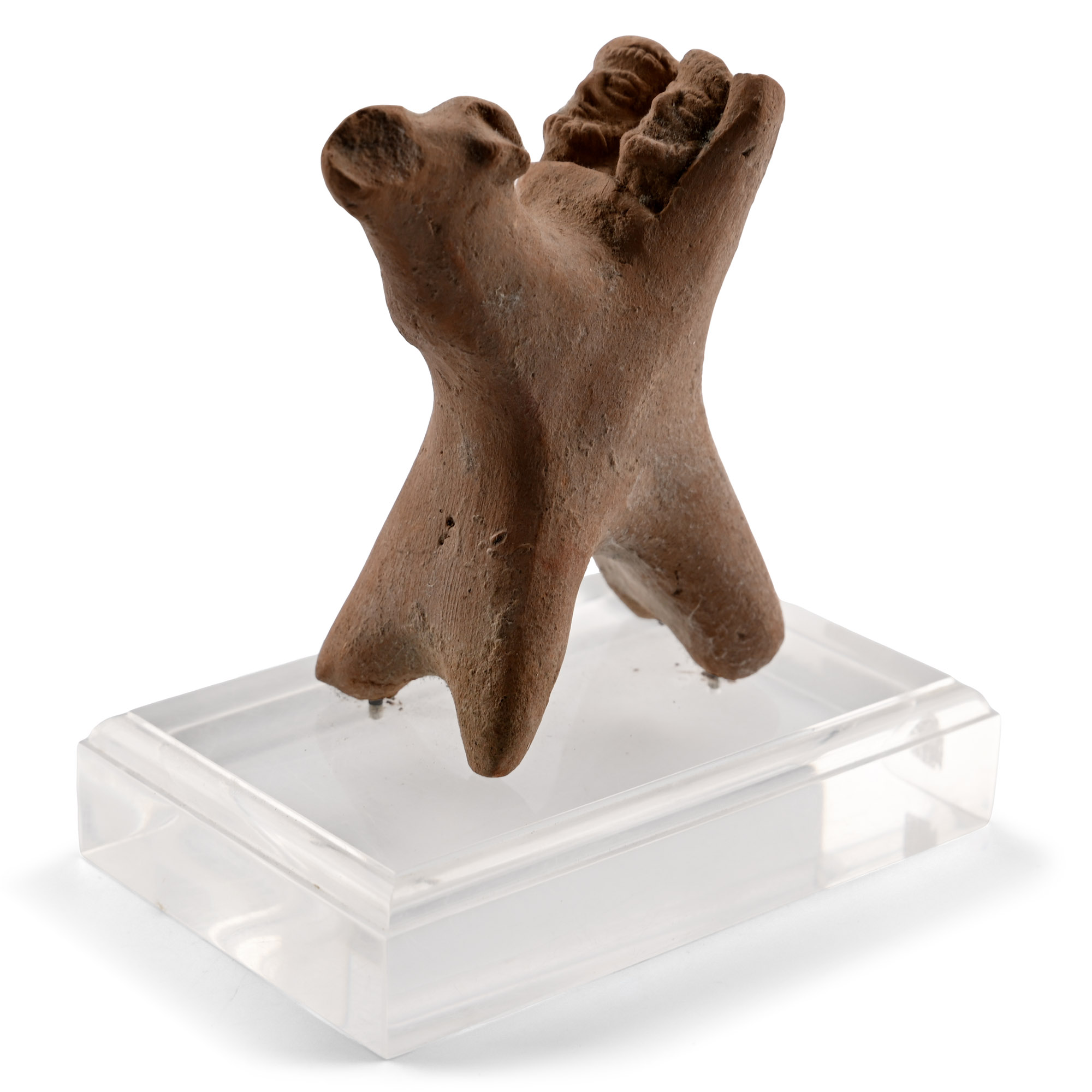
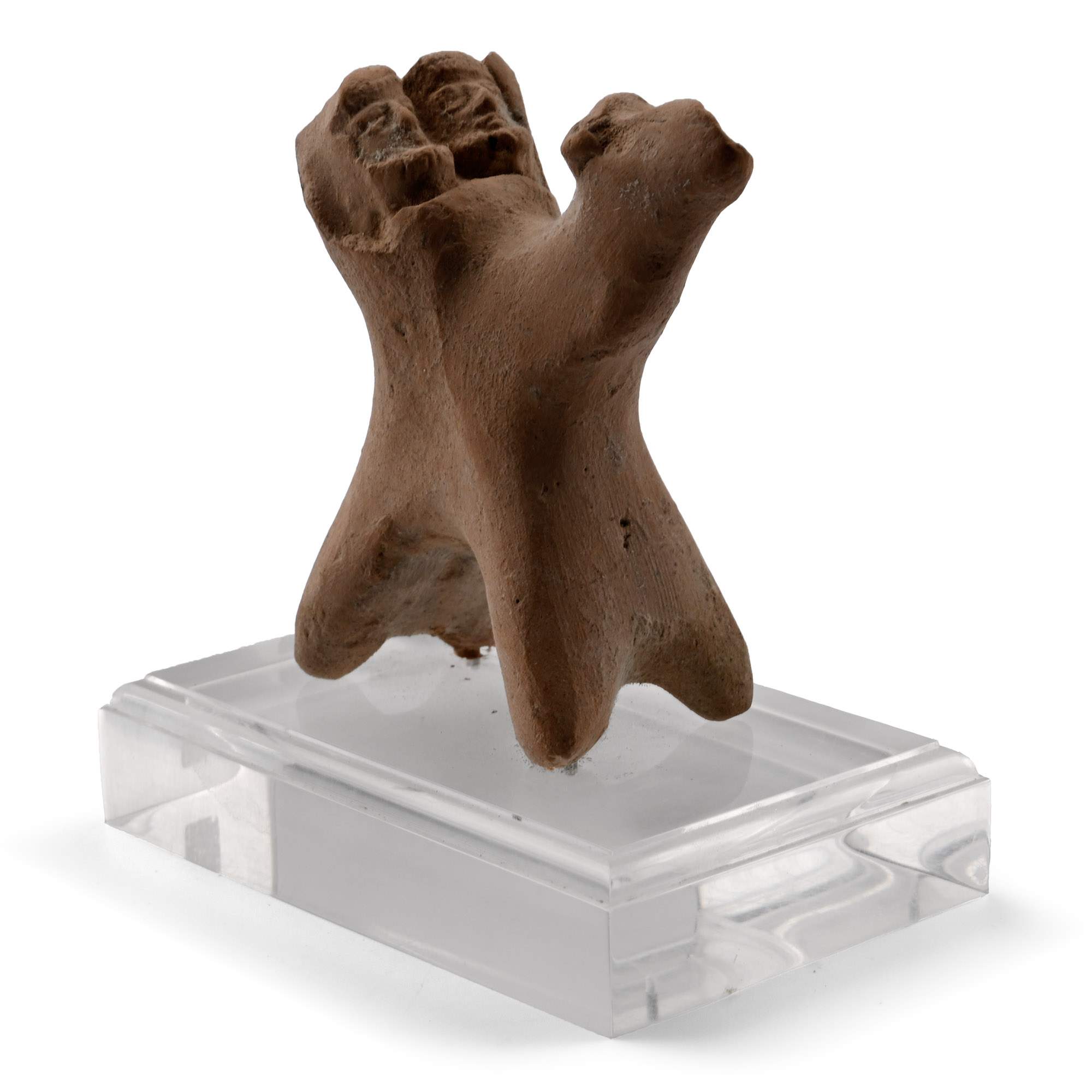
Parthian Camel and Riders Figurine
3RD-1ST CENTURY B.C.
4 in. (224 grams, 10 cm including stand).
With bearded riders in a rectangular structure; mounted on a custom made display stand. [No Reserve]
ProvenanceEx an important Dutch collection; acquired on the European art market in the 1970s.
From the private collection of John Meredith, acquired since the 1990s; thence by descent.
This lot is accompanied by an illustrated lot declaration signed by the Head of the Antiquities Department, Dr Raffaele D'Amato.
TimeLine Auctions follows a vetting process to ensure the authenticity and legality of all items, reinforcing our commitment to integrity and responsible trading. Each antiquity, antique, and coin lot undergoes thorough examination by a vetting committee of at least ten external specialists, professional trade association members, scientists, and archaeologists: Our Vetting Process
AUCTIONS:
TimeLine is a leading auction house specialising in antiquities, ancient art, collectables, natural history, coins, medals, and books. Our auctions offer museums, collectors, historians, and enthusiasts the opportunity to acquire unique and historically significant pieces.
-
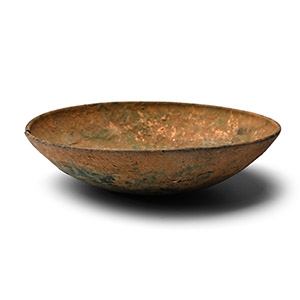
Greek Shallow Bronze Bowl
5th-3rd century B.C.Sold for (Inc. bp): £98
Shallow with chamfered rim, pierced beneath the rim to accept a chain. 152 grams, 14.5 cm
Fine condition.
From a private Netherlands collection; previously in an old collection since before 1980. From the private collection of John Meredith, acquired since the 1990s; thence by descent. This lot is accompanied by an illustrated lot declaration signed by the Head of the Antiquities Department, Dr Raffaele D'Amato. -
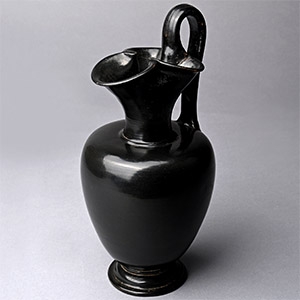
Greek Black-Glazed Oinochoe
5th century B.C.Estimate: £5,000 - 7,000 (+bp*)
Opening Bid: £2,222
With trefoil mouth, applied D-section handle and tiered foot. 407 grams, 22 cm
Property from a private collection. with Sotheby's, New York, 9 December 2003, no.9. Accompanied by copies of the relevant Sotheby's catalogue pages. This lot has been checked against the Interpol Database of stolen works of art and is accompanied by search certificate number no.12820-241330. This lot has been cleared against the Art Loss Register database, and is accompanied by an illustrated lot declaration signed by the Head of the Antiquities Department, Dr Raffaele D'Amato. -
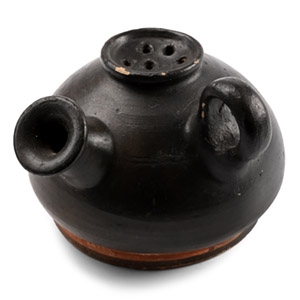
Greek Black-Glazed Guttos with Strainer
South Italic, circa 4th century B.C.Sold for (Inc. bp): £169
Discoid in plan with trumpet-shaped spout and one loop handle; strainer to centre. 130 grams, 10 cm
From the private collection of a Canadian gentleman living in Essex, UK, formed since the 1920s-circa 1990. Property of an Essex lady until the late 1990s; thence by descent. From the private collection of an Essex gentleman since the late 1990s. This lot is accompanied by an illustrated lot declaration signed by the Head of the Antiquities Department, Dr Raffaele D'Amato.
