
Loading, please wait...
LOT 0613
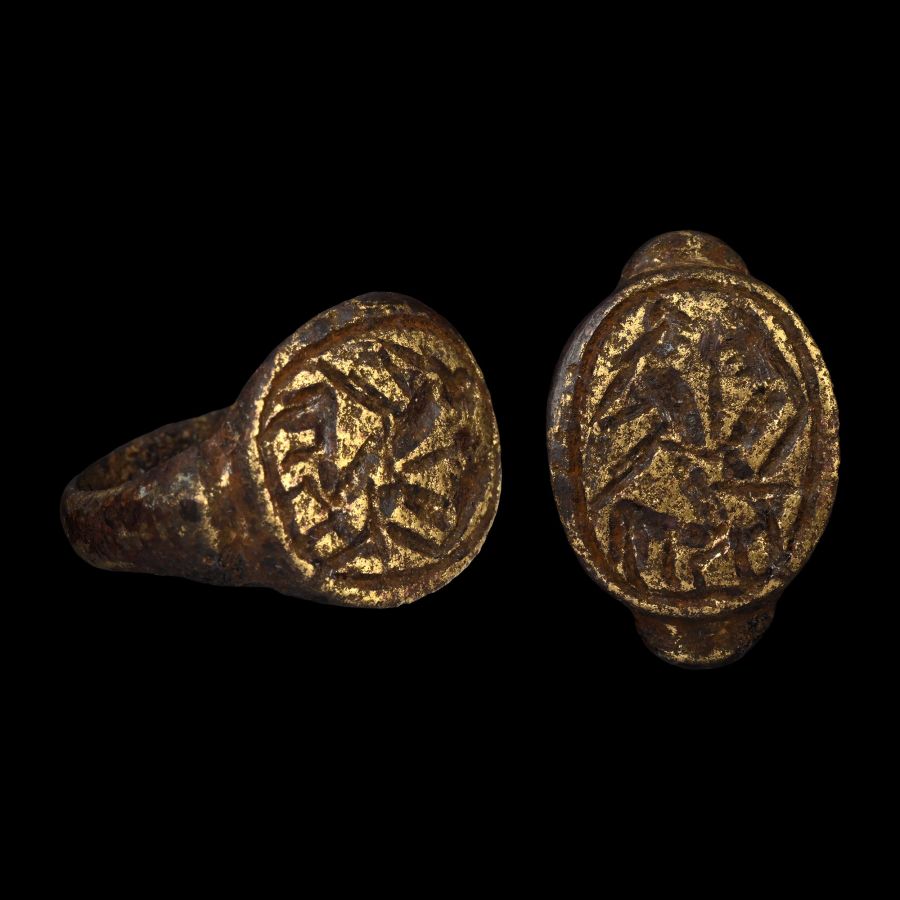
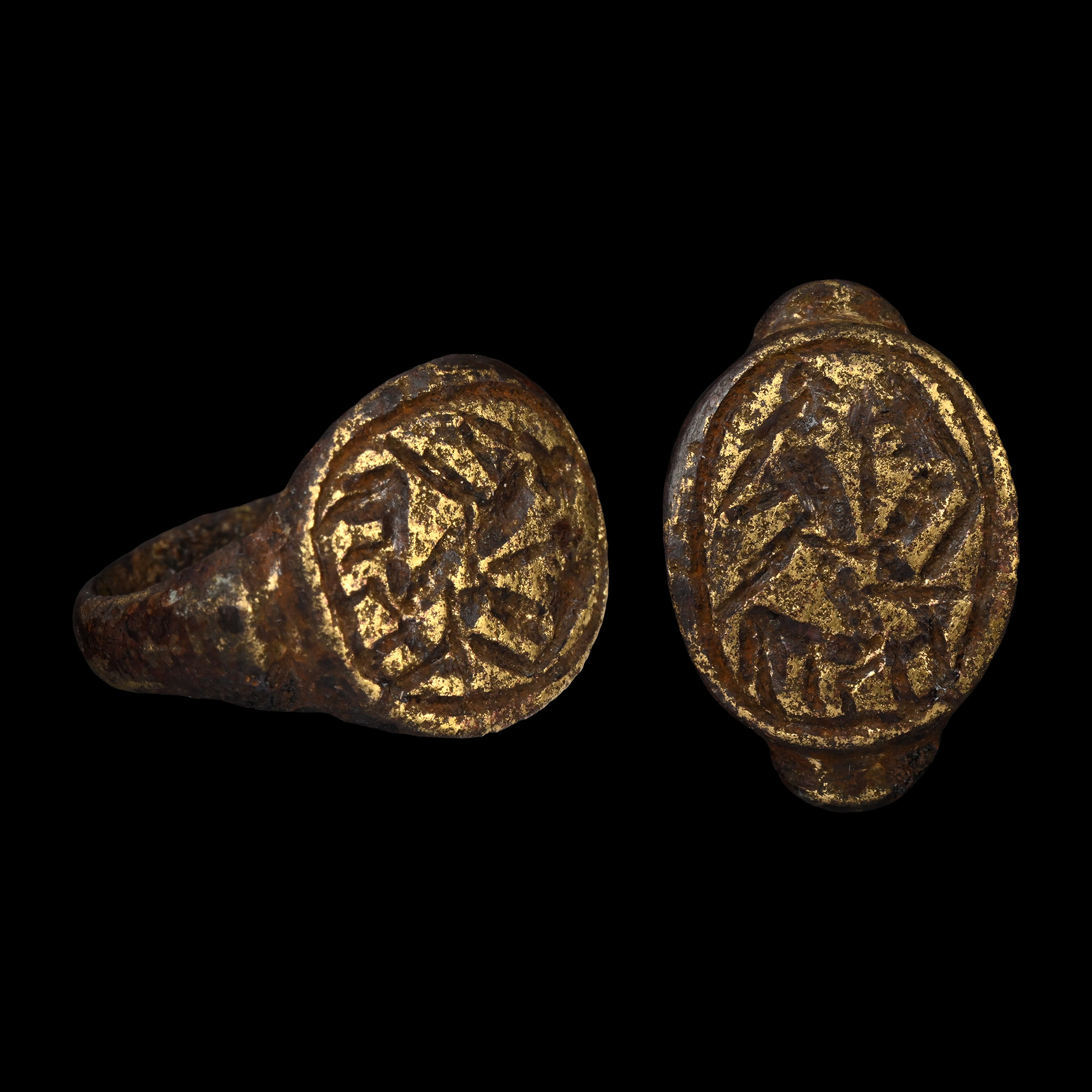
Parthian Bronze Ring with Courtship Scene
247 B.C.-224 A.D.
1 in. (5.63 grams, 24.15 mm overall, 19.99 mm internal diameter (approximate size British O, USA 7, Europe 14.98, Japan 14)).
With stepped shoulders flanking an ellipsoid bezel, incised scene of two opposed figures embracing above a quadruped. [No Reserve]
ProvenanceAcquired on the European art market in the 1990s.
From the collection of G.M.R.H., London, UK.
This lot is accompanied by an illustrated lot declaration signed by the Head of the Antiquities Department, Dr Raffaele D'Amato.
TimeLine Auctions follows a vetting process to ensure the authenticity and legality of all items, reinforcing our commitment to integrity and responsible trading. Each antiquity, antique, and coin lot undergoes thorough examination by a vetting committee of at least ten external specialists, professional trade association members, scientists, and archaeologists: Our Vetting Process
AUCTIONS:
TimeLine is a leading auction house specialising in antiquities, ancient art, collectables, natural history, coins, medals, and books. Our auctions offer museums, collectors, historians, and enthusiasts the opportunity to acquire unique and historically significant pieces.
-
.jpg)
Archaic Greek Bronze Snake
6th-5th century B.C.Estimate: £6,000 - 8,000 (‡+bp*)
Opening Bid: £3,000
Modelled in the round with coiled body and rearing head, barbed fin to the forehead, punched annulet texturing on the body. 312 grams, 11 cm
Private collection, Neuchâtel, Switzerland, assembled in the 1980s. Acquired in 1995 by a European private collector. Private collection, since the late 1990s. This lot has been checked against the Interpol Database of stolen works of art and is accompanied by a search certificate number no.12856-241689. This lot has been cleared against the Art Loss Register database, and is accompanied by an illustrated lot declaration signed by the Head of the Antiquities Department, Dr Raffaele D'Amato. -

Greek Xenon Black-Glazed Mug with Laurel Leaves
South Italic, circa 4th century B.C.Sold for (Inc. bp): £143
With broad everted rim, band of vertical strokes to shoulder, laurel leaves below. 47 grams, 55 mm high
From the private collection of a Canadian gentleman living in Essex, UK, formed since the 1920s-circa 1990. Property of an Essex lady until the late 1990s; thence by descent. From the private collection of an Essex gentleman since the late 1990s. This lot is accompanied by an illustrated lot declaration signed by the Head of the Antiquities Department, Dr Raffaele D'Amato. -
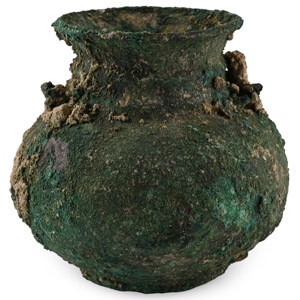
Parthian Bronze Vessel
1st-2nd century A.D.Sold for (Inc. bp): £169
Squat in profile with broad foot, ribs to the neck and deep flared rim; remains of loops for suspension. 125 grams, 78 mm wide
Ex London, UK, collection, 1990-2000. This lot is accompanied by an illustrated lot declaration signed by the Head of the Antiquities Department, Dr Raffaele D'Amato.
