
Loading, please wait...
LOT 1302
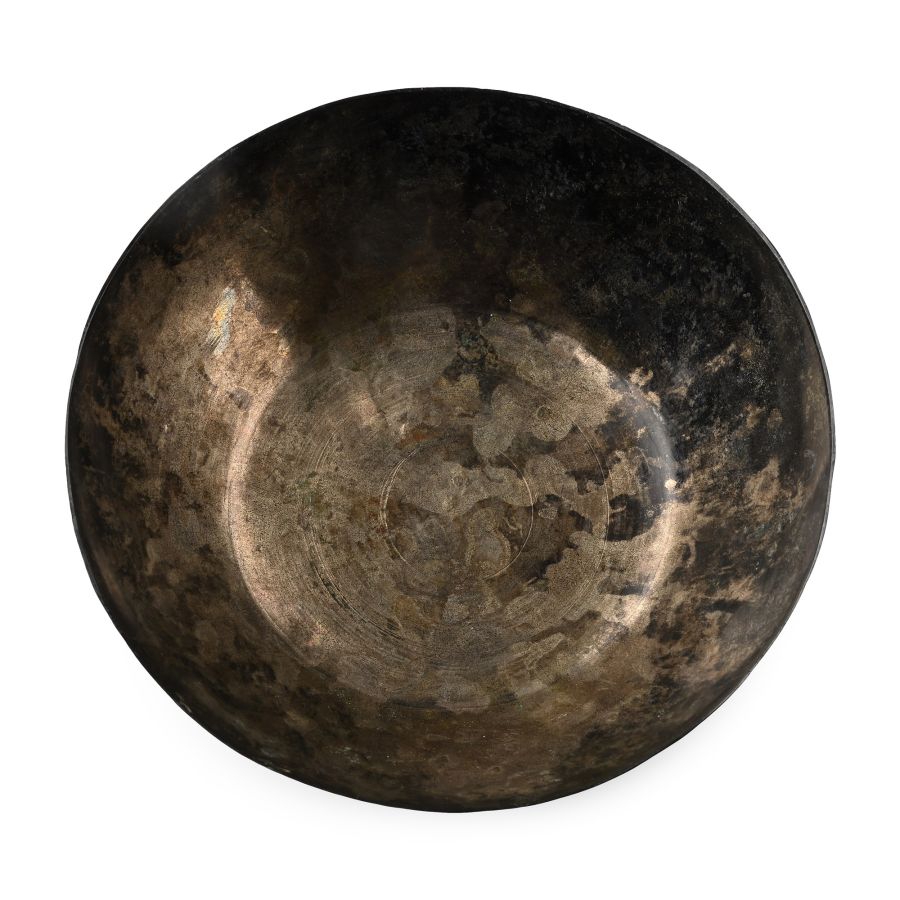
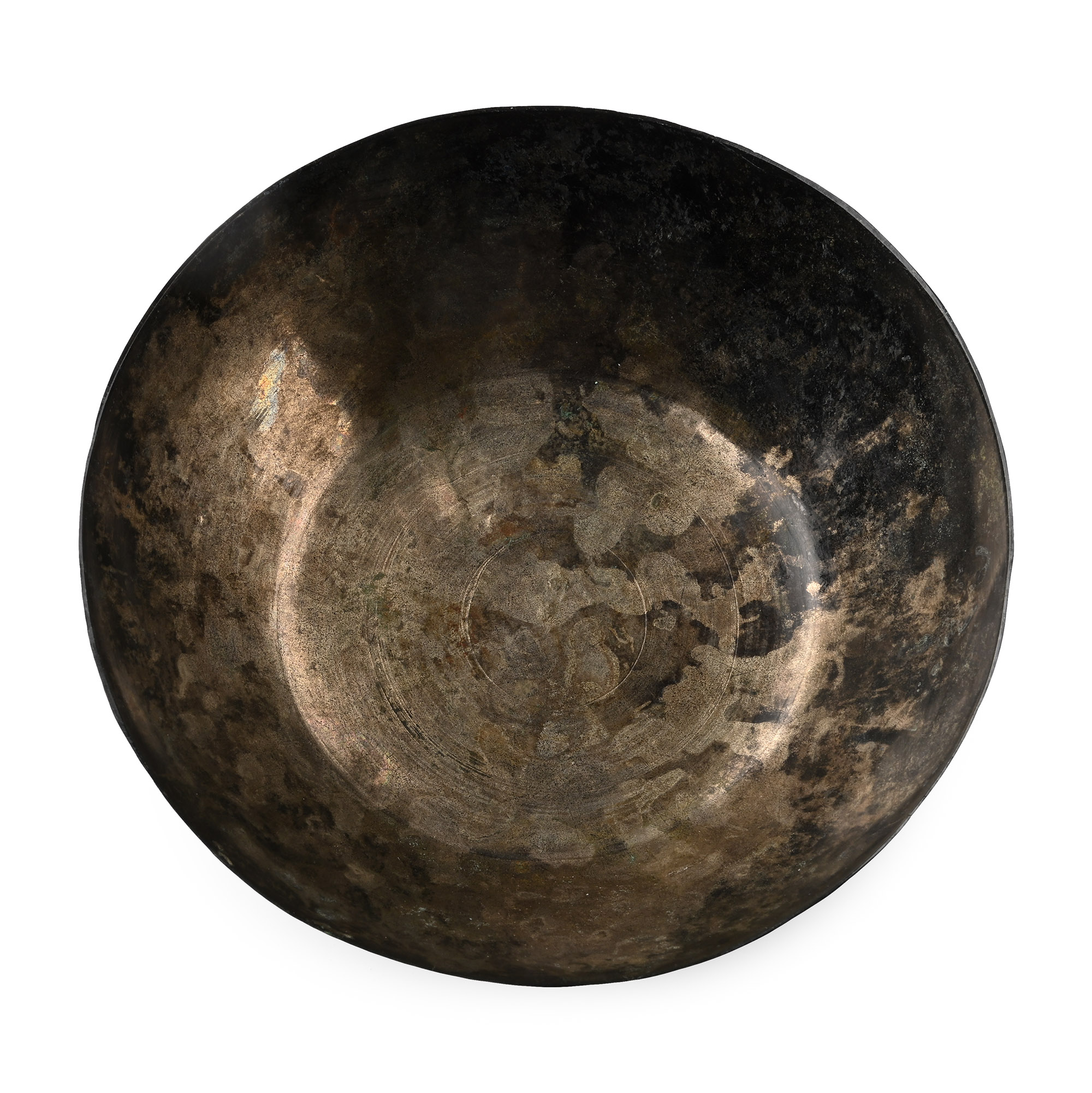
Parthian Bronze Bowl with Concentric Circles
2ND CENTURY B.C.-1ST CENTURY A.D.
5 3/4 in. (106 grams, 14.8 cm wide).
Broad and shallow with incised concentric circles to inner base.
ProvenanceAcquired in the 1990s.
Ex Abelita family collection.
This lot has been cleared against the Art Loss Register database, and is accompanied by an illustrated lot declaration signed by the Head of the Antiquities Department, Dr Raffaele D'Amato.
TimeLine Auctions follows a vetting process to ensure the authenticity and legality of all items, reinforcing our commitment to integrity and responsible trading. Each antiquity, antique, and coin lot undergoes thorough examination by a vetting committee of at least ten external specialists, professional trade association members, scientists, and archaeologists: Our Vetting Process
AUCTIONS:
TimeLine is a leading auction house specialising in antiquities, ancient art, collectables, natural history, coins, medals, and books. Our auctions offer museums, collectors, historians, and enthusiasts the opportunity to acquire unique and historically significant pieces.
LOT 1302
Parthian Bronze Bowl with Concentric Circles
Estimate £100 - 140€120 - 160 (for guidance only)$140 - 190 (for guidance only)
-
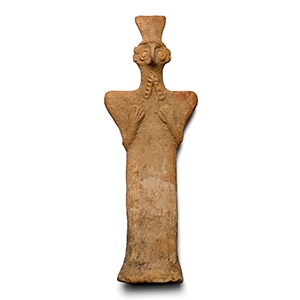
Syro-Hittite Terracotta Figure
1500-1200 B.C.Sold for (Inc. bp): £208
With lentoid-section body and flared base (restored); the face with pinched profile, tall headdress with transverse segmented peak, applied disc eyes, applied chevron beard, hands raised to the chest. 150 grams, 20 cm
Previously with Alex Szolin, Nottingham, UK. Ex Gerrard collection, 1990s. From the private collection of John Meredith, acquired since the 1990s; thence by descent. This lot has been cleared against the Art Loss Register database, and is accompanied by an illustrated lot declaration signed by the Head of the Antiquities Department, Dr Raffaele D'Amato. -
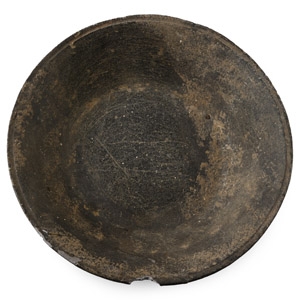
Mesopotamian Stone Vessel
1st millennium B.C.Sold for (Inc. bp): £156
Squat and broad with stepped inner face to the rim. 298 grams, 15 cm wide
From a collection formed before 1990. Ex Mayfair, London, UK, gallery, 2000s. This lot has been cleared against the Art Loss Register database, and is accompanied by an illustrated lot declaration signed by the Head of the Antiquities Department, Dr Raffaele D'Amato. -
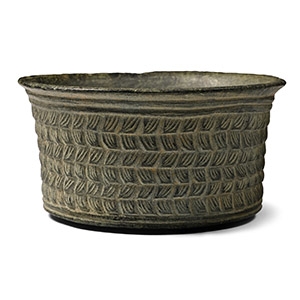
Bactrian Stone Bowl with Wavy Design
Late 3rd-early 2nd millennium B.C.Sold for (Inc. bp): £715
Drum-shaped body with everted rim, the body decorated with six bands of densely arranged wavy motifs. 152 grams, 78 mm
Private collection of Mr K.A., acquired in the 1990s-early 2000s. This lot has been cleared against the Art Loss Register database, and is accompanied by an illustrated lot declaration signed by the Head of the Antiquities Department, Dr Raffaele D'Amato.
