
Loading, please wait...

LOT 2442
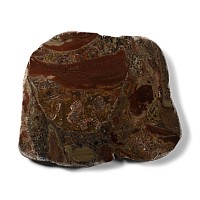
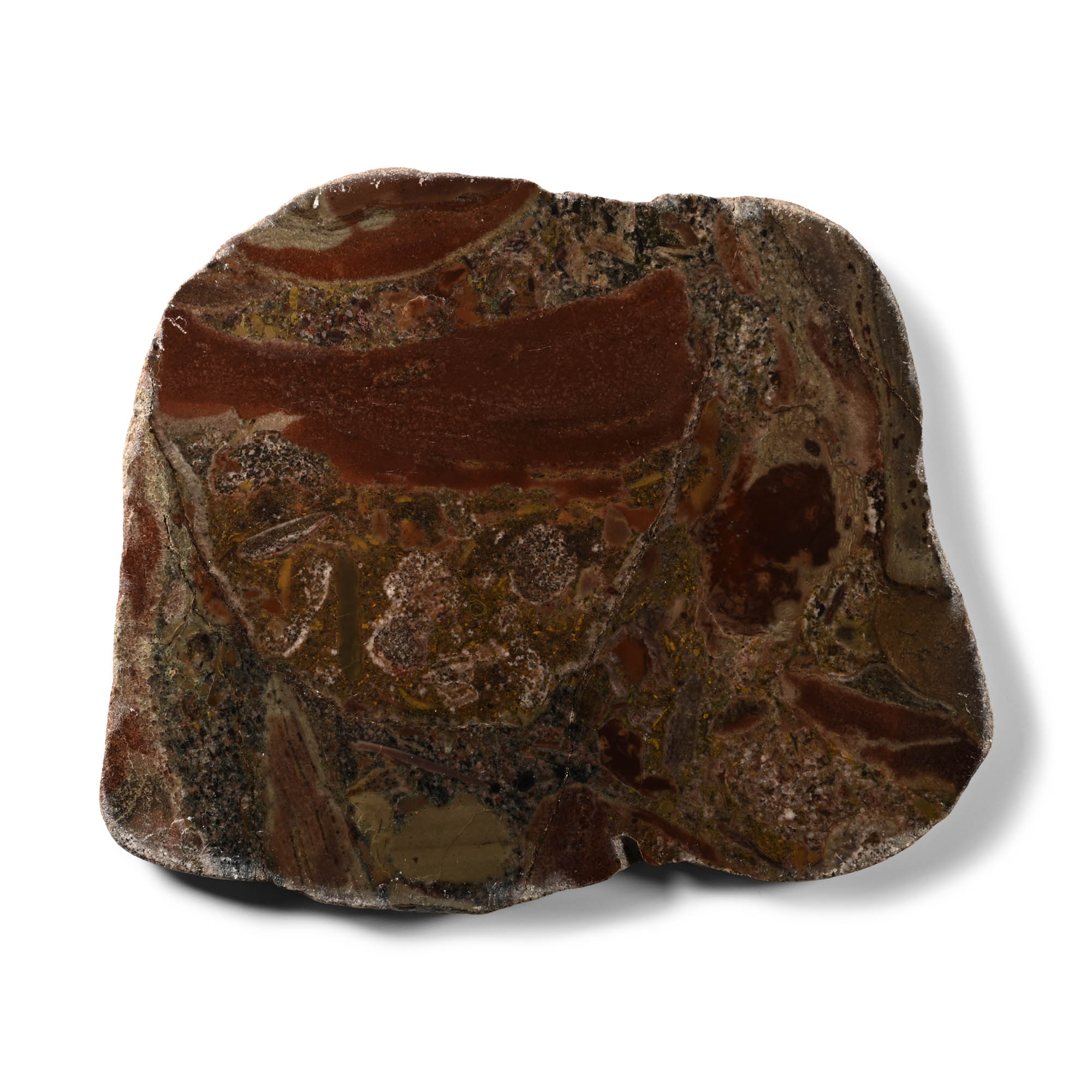
Paleoproterozoic Stromatolite
2.5-1.688 BILLION YEARS B.P.
5 1/2 in. (316 grams, 14.1 cm).
Eroded Carnegia wongawolensis in sedimentary matrix. [No Reserve]
ProvenanceFrom near Wiluna, Western Australia.
Ex Australian art market.
From a Leicestershire, UK, collection.
Accompanied by a previous typed information card.
TimeLine Auctions follows a vetting process to ensure the authenticity and legality of all items, reinforcing our commitment to integrity and responsible trading. Each antiquity, antique, and coin lot undergoes thorough examination by a vetting committee of at least ten external specialists, professional trade association members, scientists, and archaeologists: Our Vetting Process
AUCTIONS:
TimeLine is a leading auction house specialising in antiquities, ancient art, collectables, natural history, coins, medals, and books. Our auctions offer museums, collectors, historians, and enthusiasts the opportunity to acquire unique and historically significant pieces.
-
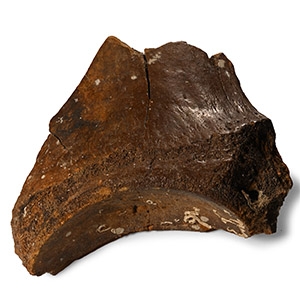
Fossil Woolly Mammoth Leg Bone Section
Pleistocene Period, 2.6 million-11,700 years B.P.Sold for (Inc. bp): £33
A large section of Mammuthus primigenius leg bone; repaired. 1.05 kg, 19 cm
From the North Sea. Acquired on the UK art market before 2000. Property of an Essex, UK, gentleman. -
.jpg)
Polished Fossil Bivalve Group
Jurassic Period, circa 160 million years B.P.Sold for (Inc. bp): £13
Comprising two complete polished bivalves. 298 grams total, 69-76 mm
From Morondava River Basin, Atsimo-Andrefana Region, Southwest Madagascar. From an old Oxfordshire, UK, fossil and mineral collection. -
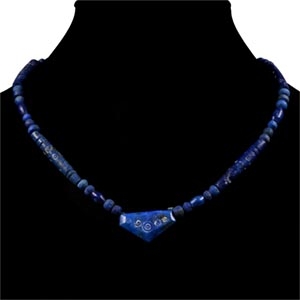
Lapis Lazuli Bead Necklace String
Sold for (Inc. bp): £33
Restrung using six cylindrical beads interspersed with mainly oblate beads, four of the cylindrical beads with engraved ring-and-dot motifs and circumferential grooves; central motif an elbow bead with facetted edges and engraved ring-and dot motifs. 38 grams, 46 cm
Ex London art market. Property of a North London, UK, gentleman.
