
Loading, please wait...
LOT 2269
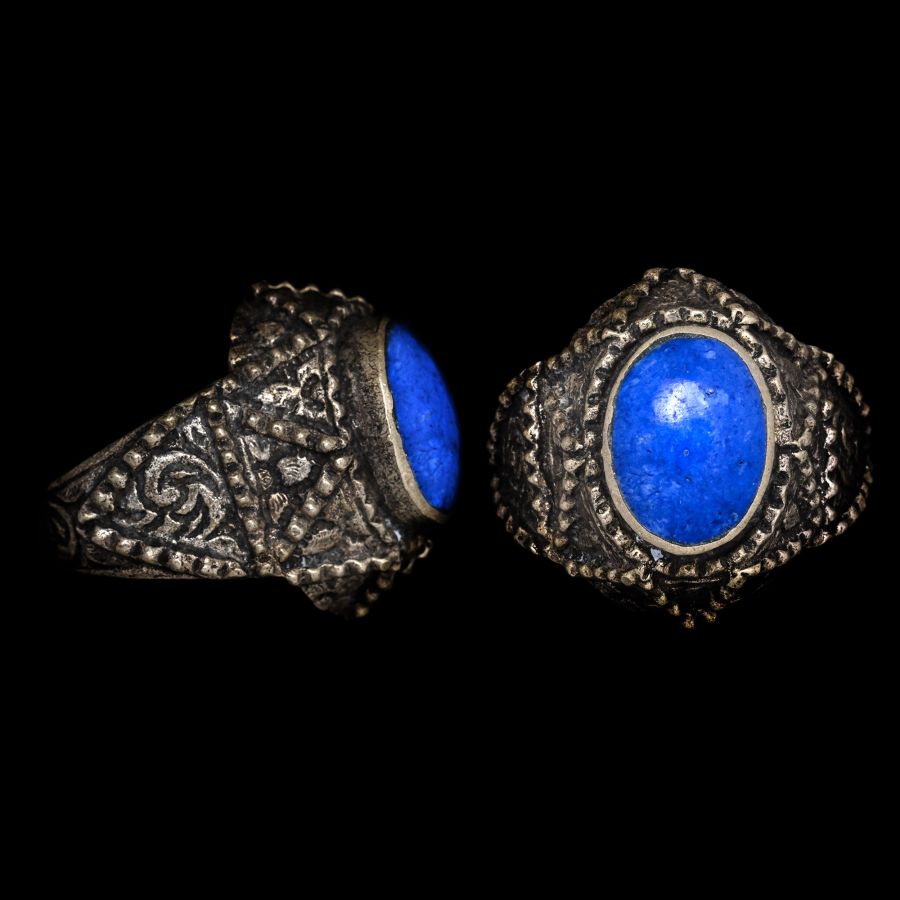
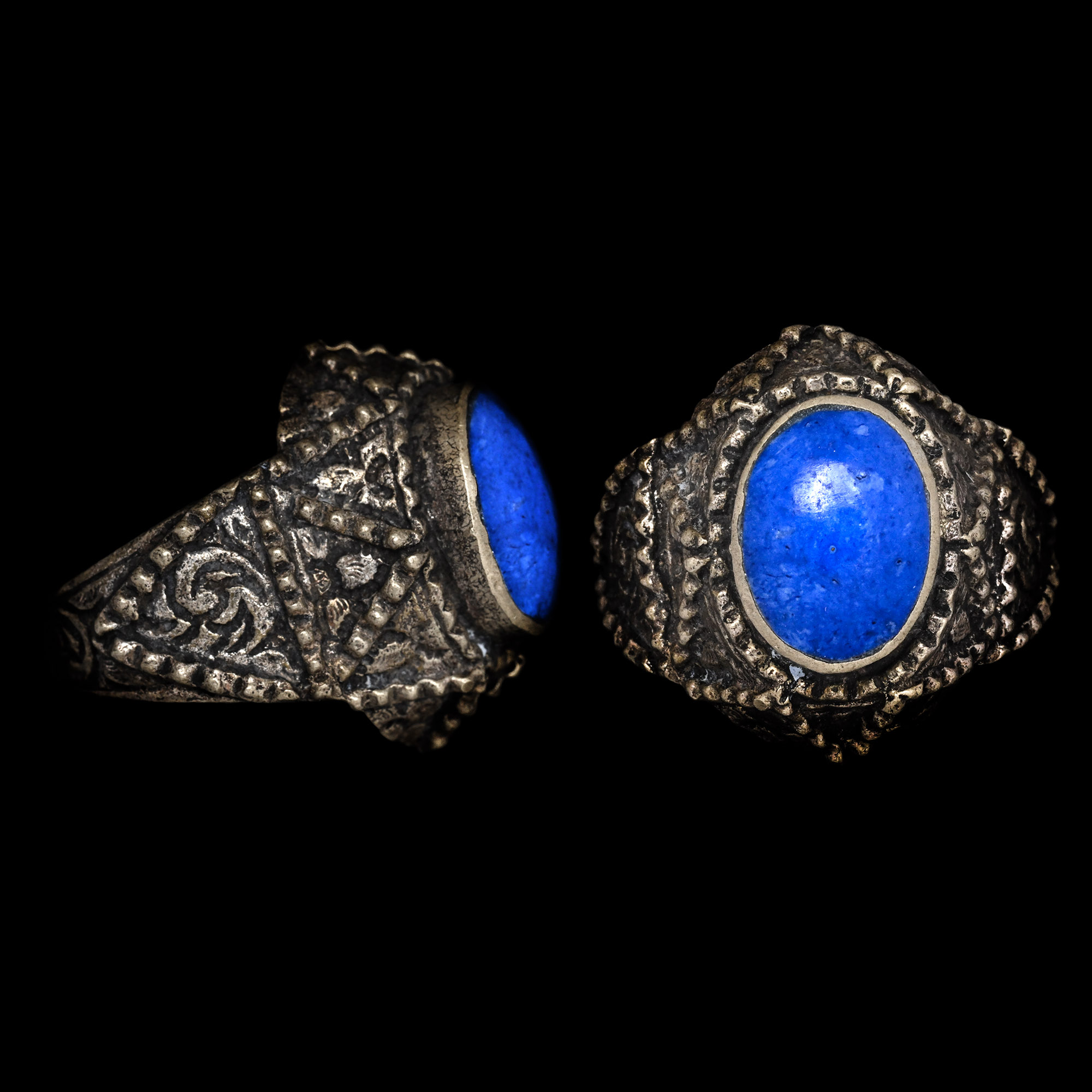
Ottoman Style Silver-Coloured Metal Ring with Blue Cabochon
19TH-20TH CENTURY A.D.
1 1/8 in. (8.31 grams, 30.32 mm overall, 20.06 mm internal diameter (approximate size British P 1/2, USA 7 3/4, Europe 16.86, Japan 16)).
Comprising a D-section hoop with expanding shoulders decorated with geometric motifs within raised borders, set with a blue cabochon, possibly sodalite. [No Reserve]
ProvenancePrior English collection of Mr A.H.D.
Property of a West Northamptonshire, UK, gentleman.
Accompanied by an Ancient Art certificate of authenticity.
TimeLine Auctions follows a vetting process to ensure the authenticity and legality of all items, reinforcing our commitment to integrity and responsible trading. Each antiquity, antique, and coin lot undergoes thorough examination by a vetting committee of at least ten external specialists, professional trade association members, scientists, and archaeologists: Our Vetting Process
AUCTIONS:
TimeLine is a leading auction house specialising in antiquities, ancient art, collectables, natural history, coins, medals, and books. Our auctions offer museums, collectors, historians, and enthusiasts the opportunity to acquire unique and historically significant pieces.
LOT 2269
Ottoman Style Silver-Coloured Metal Ring with Blue Cabochon
Sold for (Inc. bp): £26
-
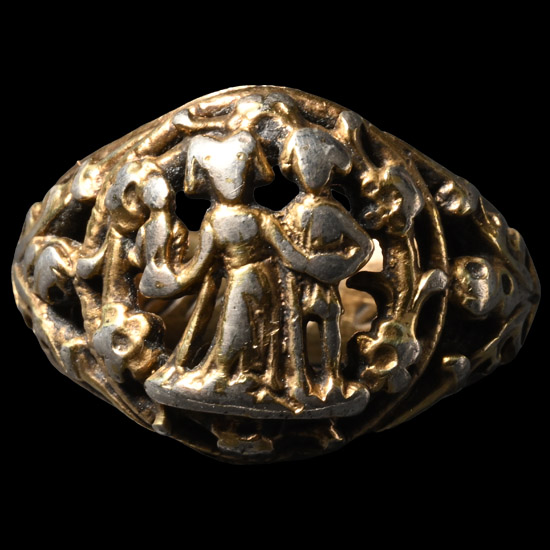
Eastern European Bronze Marriage Ring
Late 17th-18th century A.D.Sold for (Inc. bp): £520
Hoop with ribbed exterior, openwork tendrils to the shoulders, bezel with beaded wire collar and marriage scene; initials to inner face 'П.Ф.Ш.'. 13.02 grams, 28.57 mm overall, 20.94 mm internal diameter (approximate size British W, USA 11, Europe 25, Japan 24)
Private collection, London, UK. -
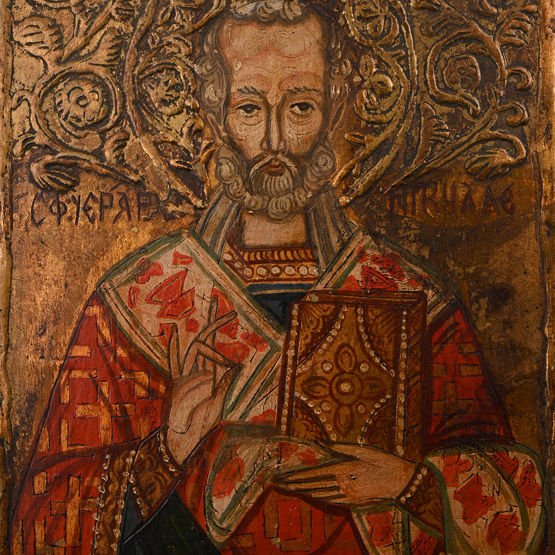
Painted Wooden Icon of Saint Nicholas
20th century A.D.Sold for (Inc. bp): £65
Rectangular wooden panel with mounting bar to reverse; low-relief carved facing nimbate figure in sumptuous robe holding a book in his left hand and making the gesture of blessing with his right; Cyrillic legend flanking the neck 'CΦ ЧЕРДР ΝІΚыΛАC' (Saint Nicholas). 715 grams, 30.5 x 22 cm
From the private collection of John Meredith, acquired since the 1990s; thence by descent. -
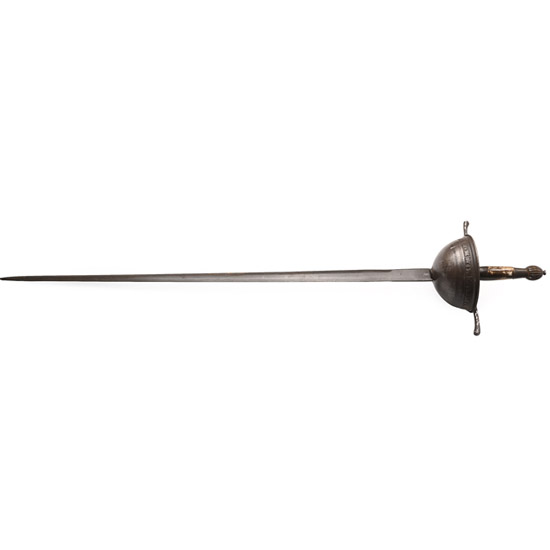
Iron Rapier Sword Reproduction
20th century A.D.Sold for (Inc. bp): £65
Comprising a narrow triangular blade with ricasso; cup with band of foliage ornament below the everted rim; slightly S-curved quillons with finger-ring; barrel grip with ribbed pommel. 1.09 kg, 105 cm
From a private Tyneside collection, formed since the early 2000s.
