
Loading, please wait...
LOT 1161
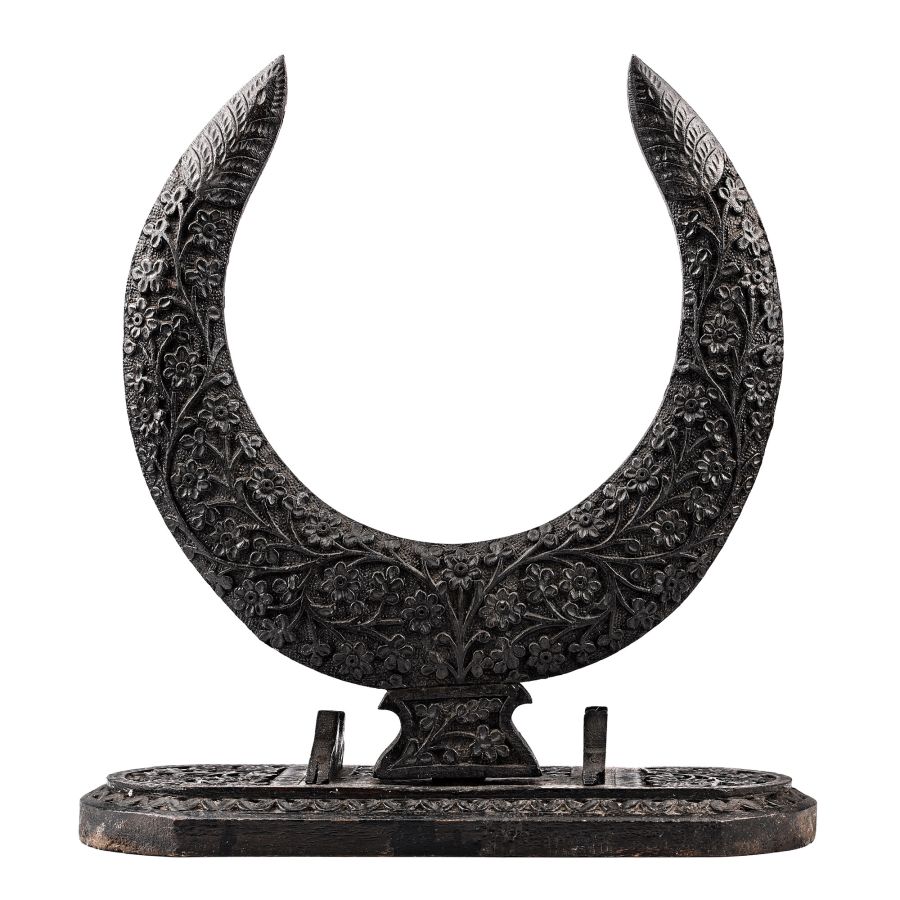
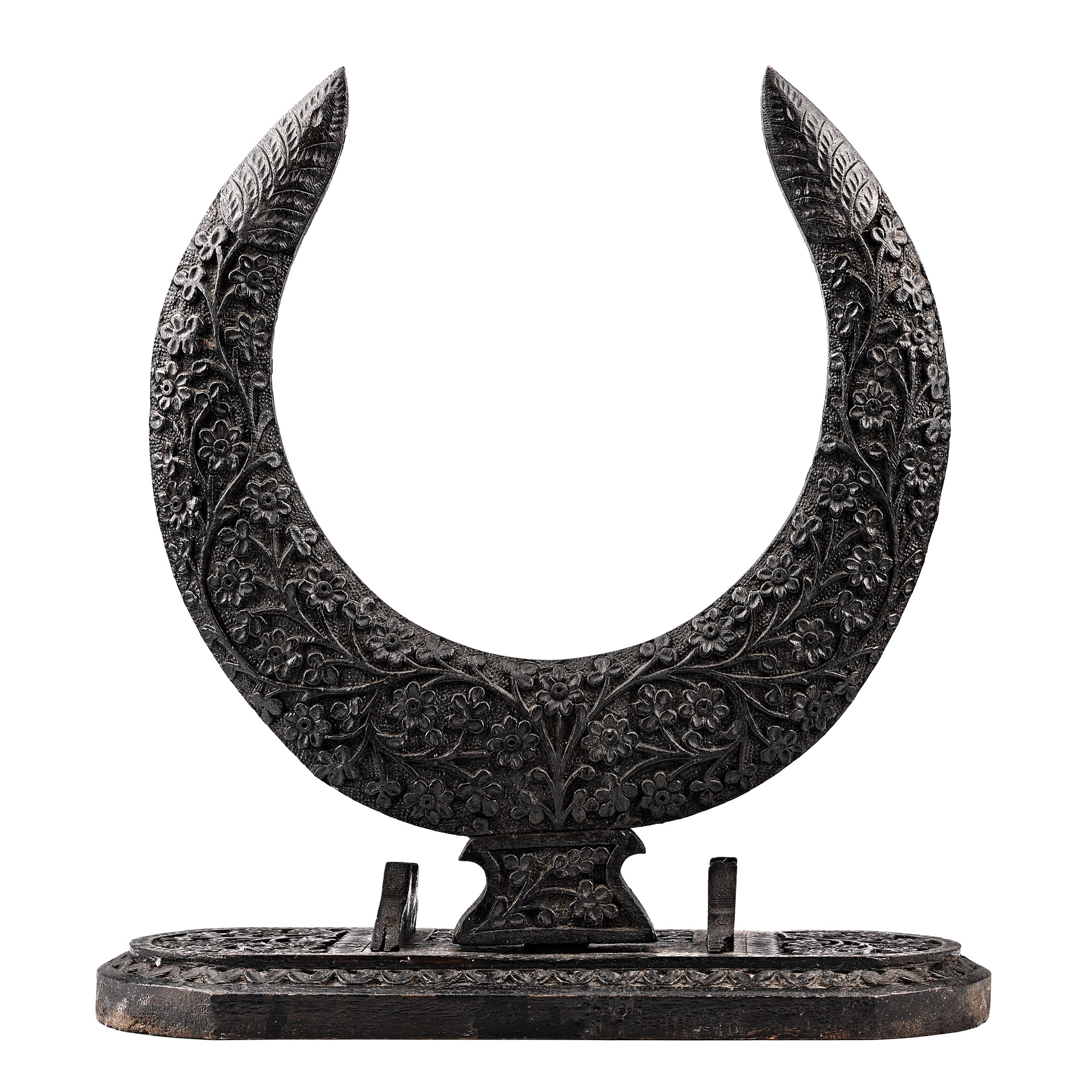
Ottoman Carved Wooden Stylus Base
19TH CENTURY A.D.
11 5/8 in. (847 grams, 29.6 cm high).
Carved with repeating patterns of flowers and foliage on the base and separate crescent upstand; two lugs to the base with curved slot. [No Reserve]
ProvenancePrivate collection, London, UK.
CONDITIONTimeLine Auctions follows a vetting process to ensure the authenticity and legality of all items, reinforcing our commitment to integrity and responsible trading. Each antiquity, antique, and coin lot undergoes thorough examination by a vetting committee of at least ten external specialists, professional trade association members, scientists, and archaeologists: Our Vetting Process
AUCTIONS:
TimeLine is a leading auction house specialising in antiquities, ancient art, collectables, natural history, coins, medals, and books. Our auctions offer museums, collectors, historians, and enthusiasts the opportunity to acquire unique and historically significant pieces.
-
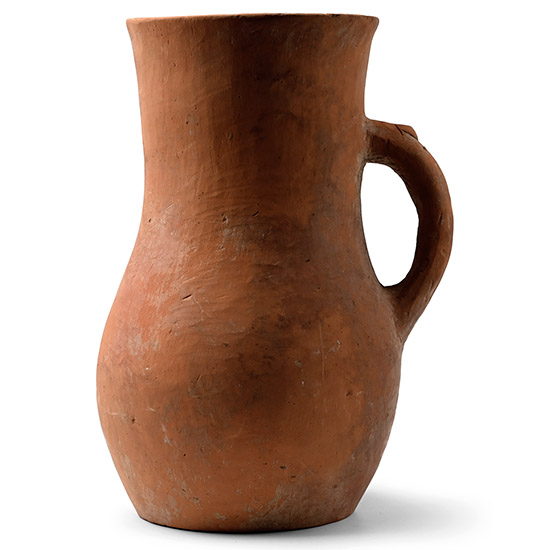
Amlash Terracotta Jug
1st millennium B.C.Sold for (Inc. bp): £124
With slender body and tall tubular neck, slightly flared rim to the mouth, single strap handle with applied thumb-pad. 735 grams, 19.5 cm
Acquired on the UK art market before 2000. Property of an Essex, UK, gentleman. -
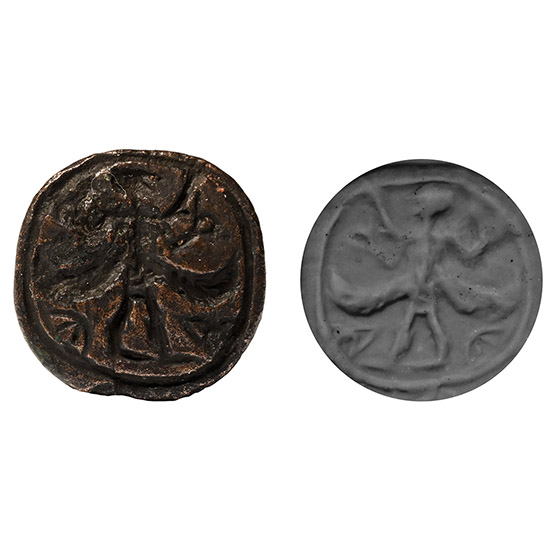
Western Asiatic Stamp Seal with Winged God
Circa 800 B.C.Estimate: £180 - 240 (+bp*)
Opening Bid: £95
Conical body with ribbed collar and loop, raised plaque to the underside with incuse image of winged figure; supplied with a museum-quality impression. 6.8 grams, 16 mm
From the collection of a gentleman, acquired on the London art market in the 1990s. -
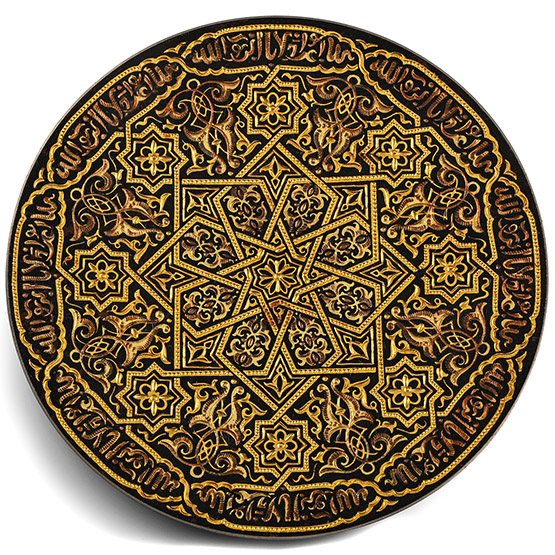
Damascene Shallow Silver Dish with Gilt Decoration and Calligraphic Inscription
20th century A.D.Sold for (Inc. bp): £364
With parcel-gilt rosettes and dense tendril field, panels to the outer edge filled with calligraphic text; three stub feet to reverse. 218 grams, 14.1 cm
Private collection, UK.
