
Loading, please wait...
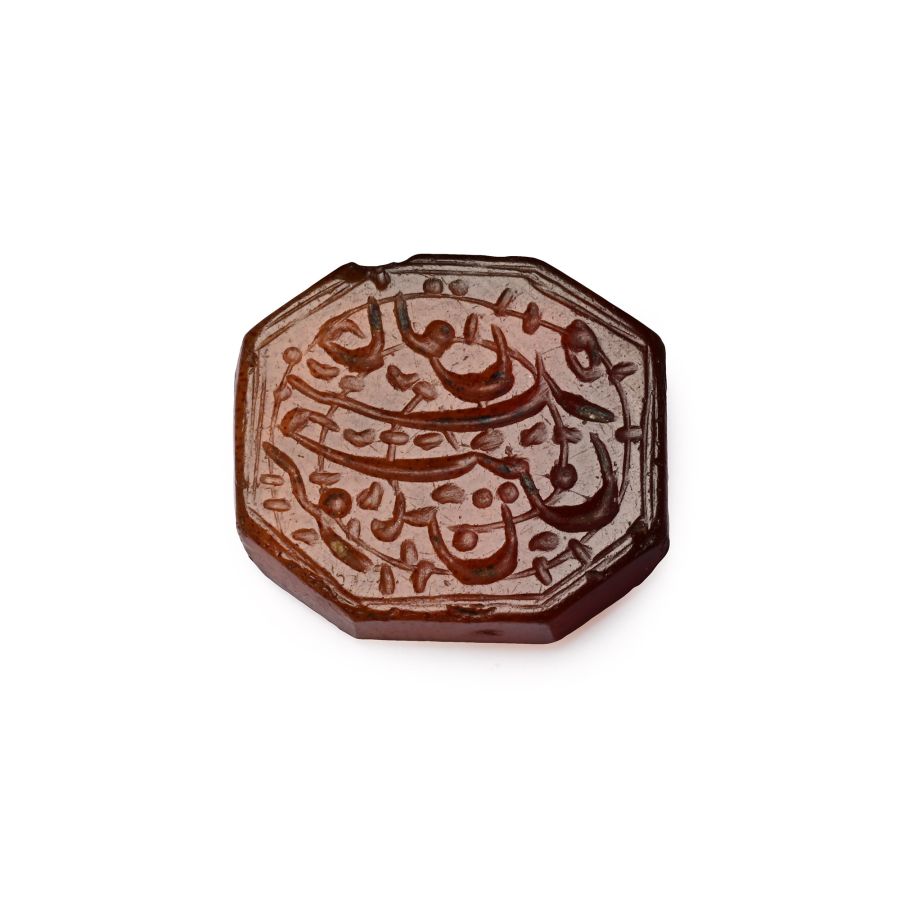
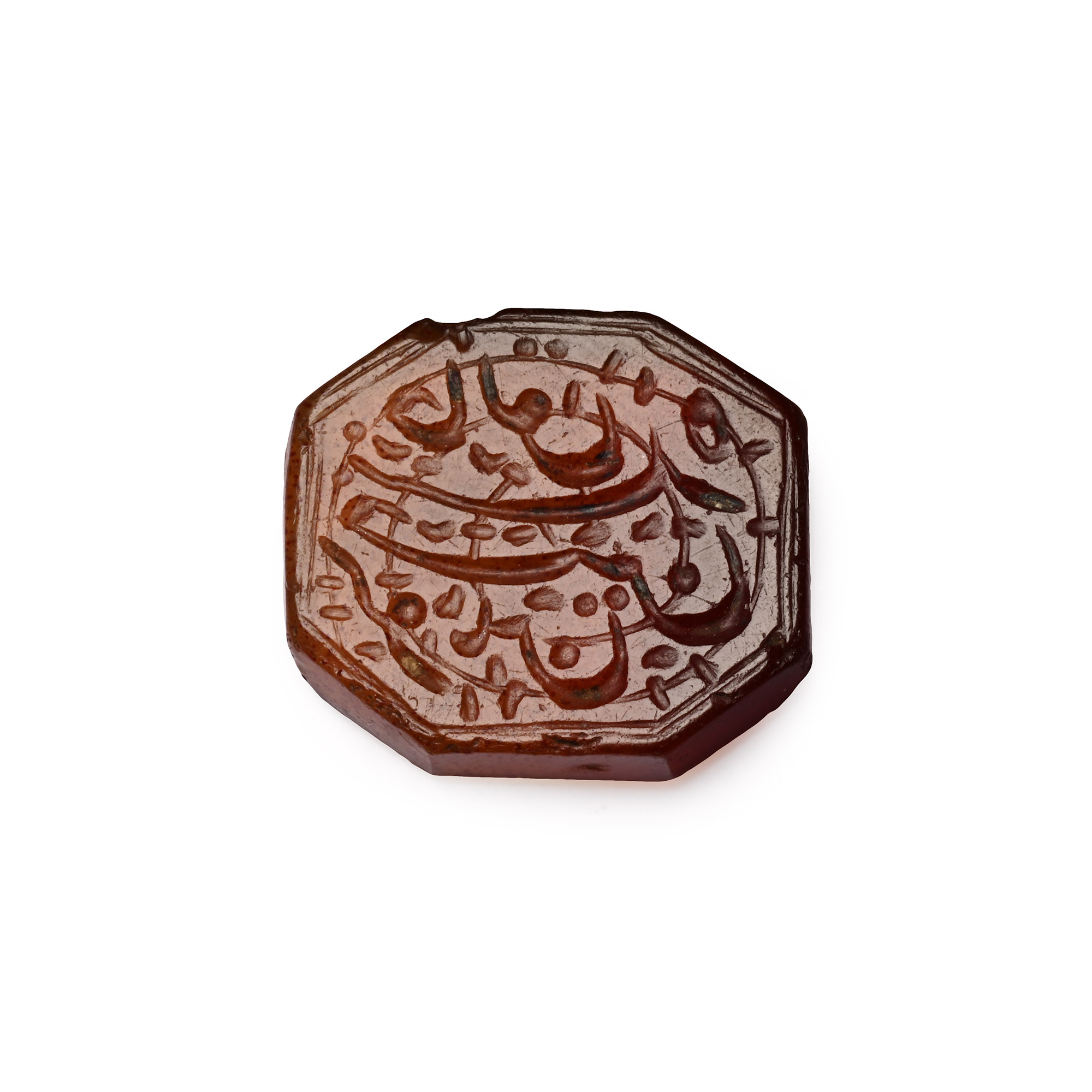
LOT 1826
Ottoman Carnelian Calligraphic Gemstone
18TH-19TH CENTURY A.D.
5/8 in. (1.7 grams, 16 mm).
Flat in section and tapering in profile, octagonal in plan; obverse with incised panel of calligraphic nastaliq text. [No Reserve]
ProvenanceFrom the private collection of a European gentleman (1942-2024), formed since the 1970s.
CONDITIONTimeLine Auctions follows a vetting process to ensure the authenticity and legality of all items, reinforcing our commitment to integrity and responsible trading. Each antiquity, antique, and coin lot undergoes thorough examination by a vetting committee of at least ten external specialists, professional trade association members, scientists, and archaeologists: Our Vetting Process
AUCTIONS:
TimeLine is a leading auction house specialising in antiquities, ancient art, collectables, natural history, coins, medals, and books. Our auctions offer museums, collectors, historians, and enthusiasts the opportunity to acquire unique and historically significant pieces.
LOT 1826
Ottoman Carnelian Calligraphic Gemstone
Estimate £100 - 140€120 - 160 (for guidance only)$140 - 190 (for guidance only)
Opening Bid
£5 (EUR 6; USD 7) +BP*
-
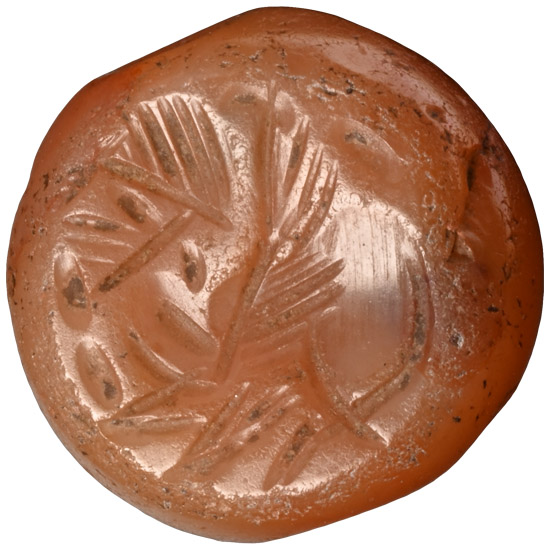
Sasanian Carnelian Stamp Seal with Gryphon
3rd-7th century A.D.Estimate: £30 - 40 (+bp*)
Opening Bid: £5
Plano-convex type with profile crouching gryphon, billets to the border; supplied with a museum-quality impression. 2.45 grams, 13 mm
From the private collection of a European gentleman (1942-2024), formed since the 1970s. -
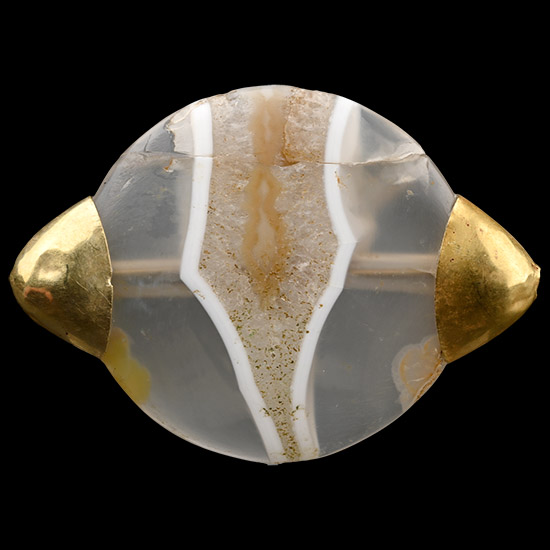
Exceptional Western Asiatic Banded Agate Bead with Gold Caps
2nd-1st millennium B.C.Estimate: £1,800 - 2,400 (‡+bp*)
Opening Bid: £1,000
Discoid in plan and pierced transversely with D-shaped gold caps at each end; mounted on a custom-made stand. 88 grams total, 84 mm wide including stand
Private collection, acquired on the UK art market, 2000. Private collection, Switzerland. This lot has been checked against the Interpol Database of stolen works of art and is accompanied by a search certificate number no.12877-241681.
The Sumerians used agate for beads and even for making ceremonial axe-heads. The engraving of agate, especially to produce cameos and intaglios, is an art which was principally cultivated by the Greeks and the Romans. In addition to the artistic excellence of the engravings, many of the early works show great skill in using the different colourings of the agate for decorating the figures. -
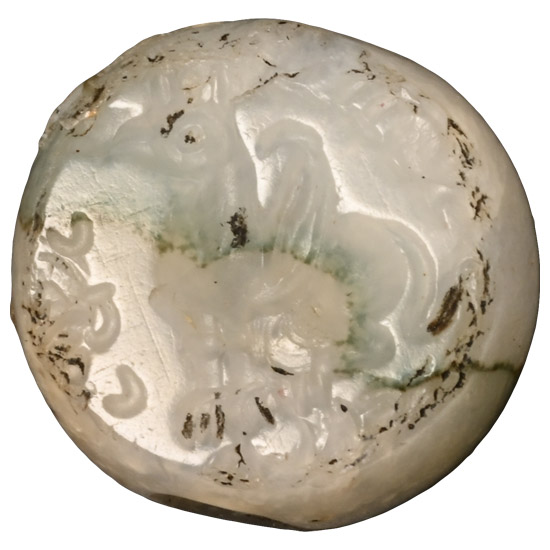
Sasanian Agate Stamp Seal with Gryphon
3rd-7th century A.D.Estimate: £30 - 40 (+bp*)
Opening Bid: £5
Plano-convex tpe with crouching gryphon motif; supplied with a museum-quality impression. 1.48 grams, 11 mm
From the private collection of a European gentleman (1942-2024), formed since the 1970s.
