
Loading, please wait...
LOT 1192
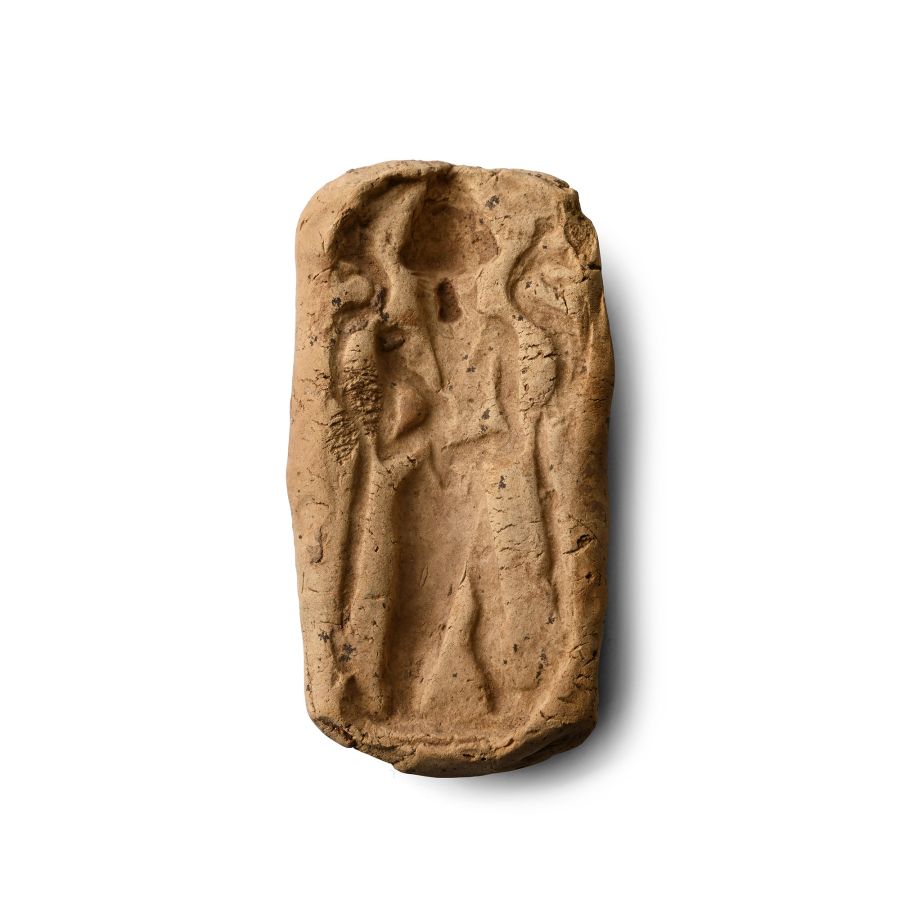
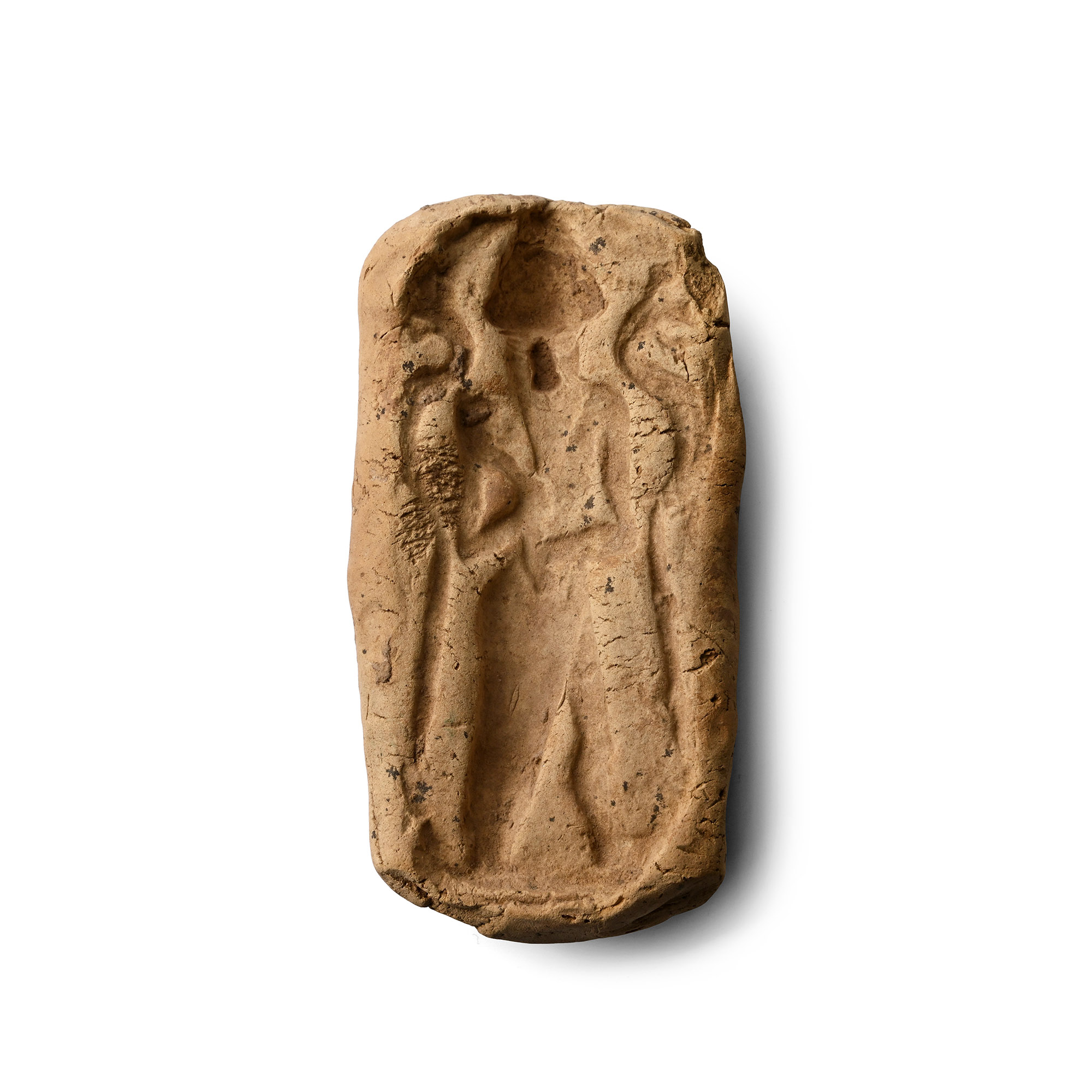
Old Babylonian Terracotta Mould for a Zababa Idol
CIRCA 1800 B.C.
4 3/4 in. (167 grams, 12cm).
A one-piece mould for a low-relief standing figurine of a god, possibly Zababa, standing facing with feet turned, holding in each hand a staff or sceptre. [No Reserve]
ProvenanceEx important Mayfair, London, UK, collection, before 2000.
From the private collection of John Meredith, acquired since the 1990s; thence by descent.
This lot has been cleared against the Art Loss Register database, and is accompanied by an illustrated lot declaration signed by the Head of the Antiquities Department, Dr Raffaele D'Amato.
Zababa was the husband of the goddess Inanna, associated with the city of Kish. He was mainly concerned with warfare. His symbol was a staff with the head of an eagle.
CONDITIONTimeLine Auctions follows a vetting process to ensure the authenticity and legality of all items, reinforcing our commitment to integrity and responsible trading. Each antiquity, antique, and coin lot undergoes thorough examination by a vetting committee of at least ten external specialists, professional trade association members, scientists, and archaeologists: Our Vetting Process
AUCTIONS:
TimeLine is a leading auction house specialising in antiquities, ancient art, collectables, natural history, coins, medals, and books. Our auctions offer museums, collectors, historians, and enthusiasts the opportunity to acquire unique and historically significant pieces.
-
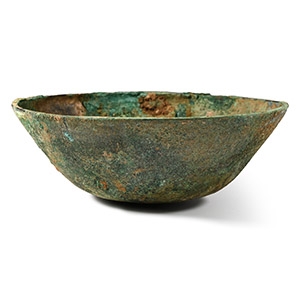
Luristan Bronze Bowl
1st millennium B.C.Sold for (Inc. bp): £111
Broad and shallow with rounded base. 260 grams, 16.9 cm
Ex London, UK, collections, 1990s-2000s. This lot has been cleared against the Art Loss Register database, and is accompanied by an illustrated lot declaration signed by the Head of the Antiquities Department, Dr Raffaele D'Amato.
The people of Luristan were nomads, constantly moving in summer and winter pastures, and needed metal utensils and tools. Therefore, in addition to weapons, these excellent metal workers produced, in considerable numbers, light and elegant bronze vases and cups. -
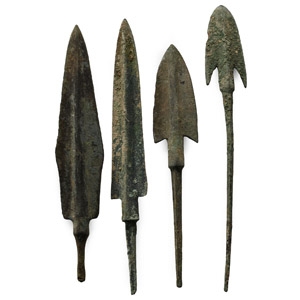
Luristan Bronze Arrowhead Collection
2nd-1st millennium B.C.Estimate: £100 - 140 (+bp*)
Opening Bid: £50
Comprising: two large tanged arrowheads, mainly of triangular type with mid-rib; two arrowheads with barbed shoulders, midrib and a stop on the blade with a long tang. 122 grams total, 12.7-15 cm
Acquired in the 1990s. Ex Abelita family collection. This lot has been cleared against the Art Loss Register database, and is accompanied by an illustrated lot declaration signed by the Head of the Antiquities Department, Dr Raffaele D'Amato.
One category of the represented arrowheads has a sharp blade, the ends of which extend to form wings or barbs, and a prominent midrib extending into a long tang that has a stop; the blade shape varies from deltoid to more triangular. The other form has no barbs, but it has a prominent midrib extending to the tang, and a rhomboid or tringular blade. Godard claimed that both types of heads, barbed and not barbed, came from Luristan. -
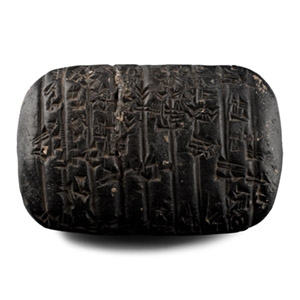
Western Asiatic Terracotta Cuneiform Tablet
2nd millennium B.C.Estimate: £2,000 - 3,000 (‡+bp*)
Opening Bid: £1,000
Pillow-shaped with columnar ribbing to the broad faces, dense cuneiform text in the columns. 57.2 grams, 63 mm
Private collection of Mr K., Maryland, USA. Private collection, Switzerland, acquired in 2000. This lot has been checked against the Interpol Database of stolen works of art and is accompanied by a search certificate number no.12893-241757. This lot has been cleared against the Art Loss Register database, and is accompanied by an illustrated lot declaration signed by the Head of the Antiquities Department, Dr Raffaele D'Amato.
