
Loading, please wait...
LOT 1448
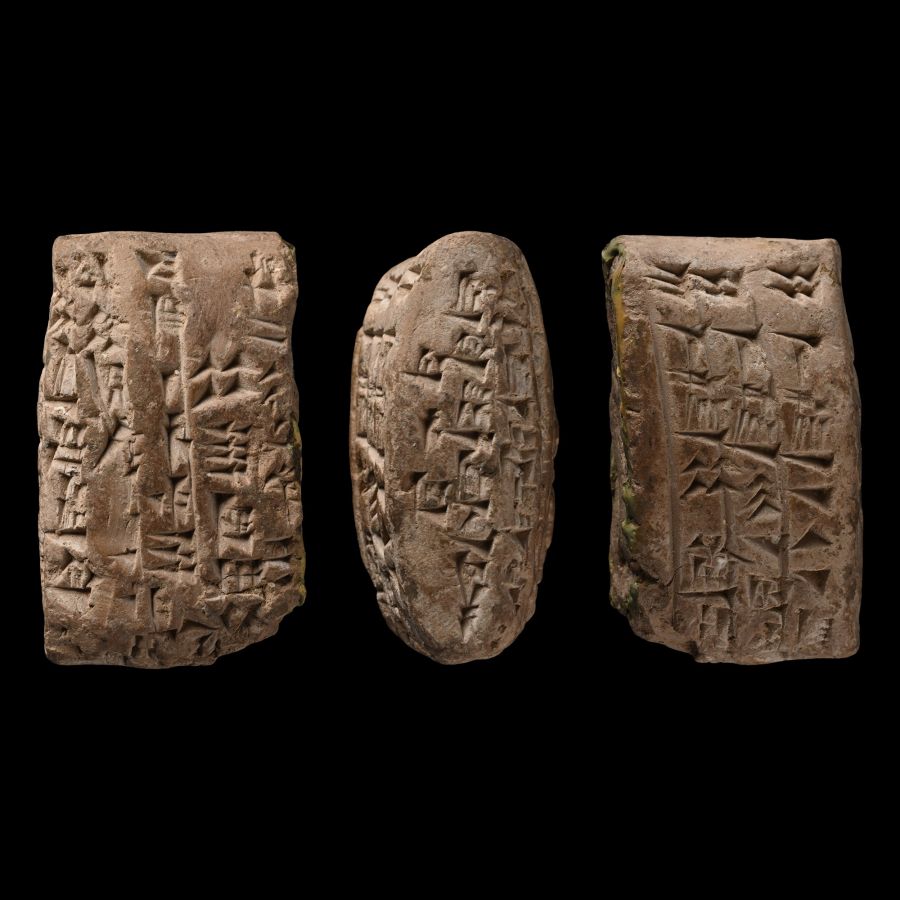
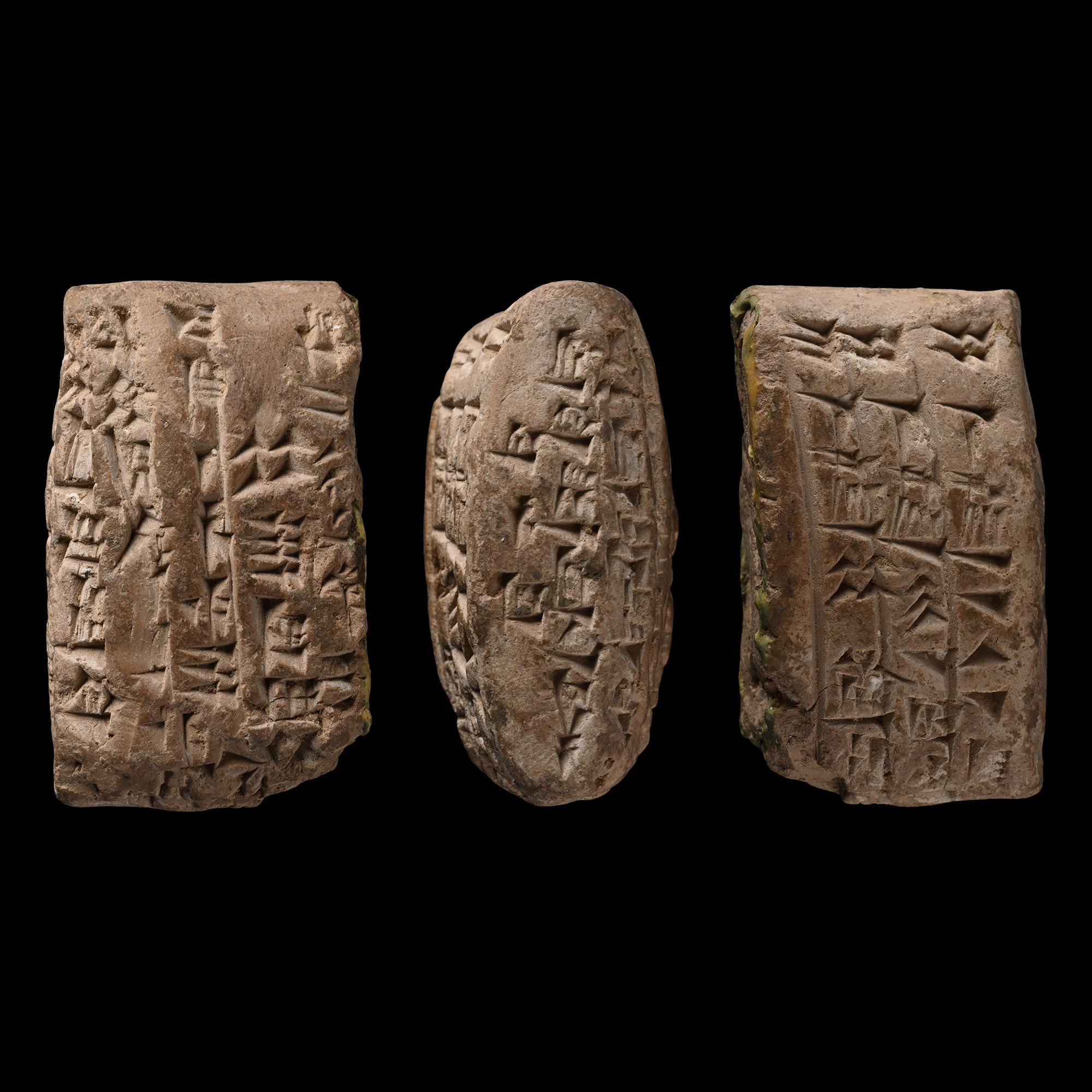
Old Babylonian Terracotta Cuneiform Tablet Section
2ND MILLENNIUM B.C.
1 3/4 in. (33.5 grams, 44.5 mm).
The narrow end of a pillow-shaped tablet with rows of cuneiform text on four sides. [No Reserve]
ProvenanceFrom the private collection of a European gentleman (1942-2024), formed since the 1970s.
CONDITIONTimeLine Auctions follows a vetting process to ensure the authenticity and legality of all items, reinforcing our commitment to integrity and responsible trading. Each antiquity, antique, and coin lot undergoes thorough examination by a vetting committee of at least ten external specialists, professional trade association members, scientists, and archaeologists: Our Vetting Process
AUCTIONS:
TimeLine is a leading auction house specialising in antiquities, ancient art, collectables, natural history, coins, medals, and books. Our auctions offer museums, collectors, historians, and enthusiasts the opportunity to acquire unique and historically significant pieces.
-
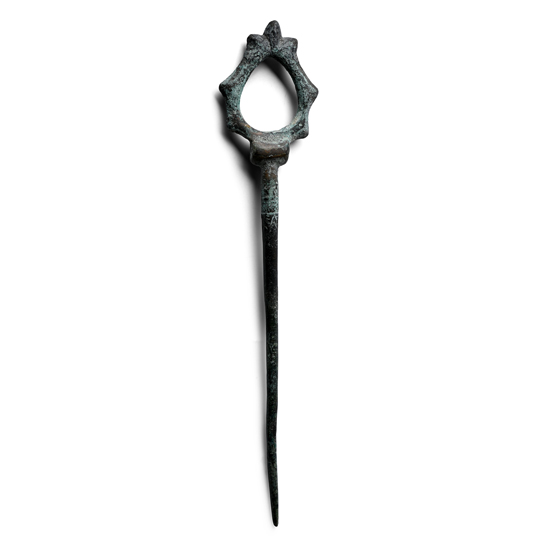
Western Asiatic Bronze Cloak Pin
Bronze Age, 2nd-1st millennium B.C.Sold for (Inc. bp): £72
Substantial pin with tapering round-section shaft and looped finial. 30 grams, 16.2 cm
From the private collection of a European gentleman (1942-2024), formed since the 1970s. -
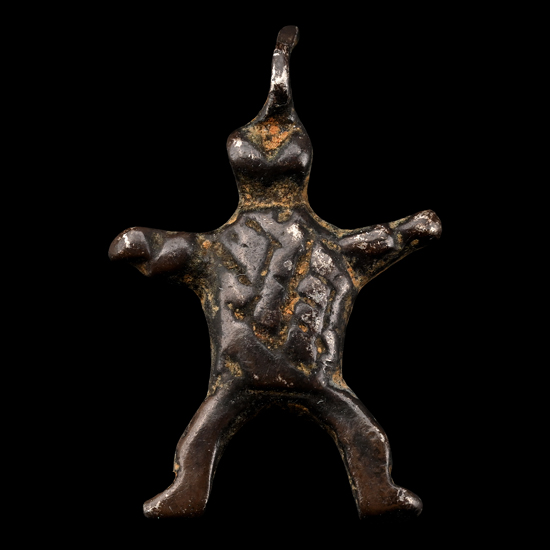
Western Asiatic Silver Amulet
12th-15th century A.D.Sold for (Inc. bp): £39
Formed as a splayed animal figure with an integral loop. 2.16 grams, 21 mm
From the collection of a gentleman, acquired on the London art market in the 1990s. -
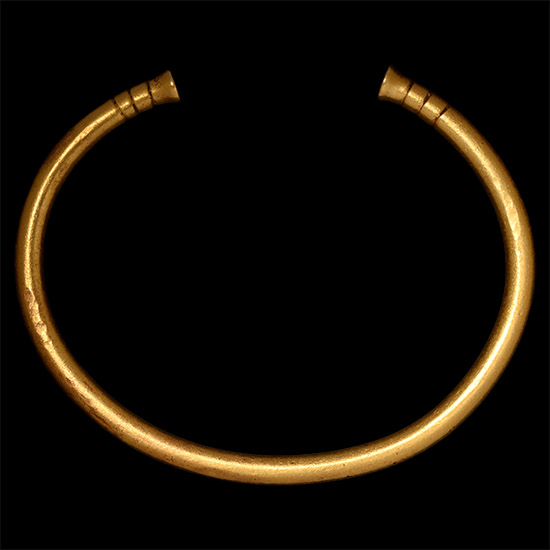
Achaemenid Solid Gold Bracelet
5th-4th century B.C.Sold for (Inc. bp): £5,980
Penannular in form and round in section with clubbed ends, three incised gussets below each finial. 42.88 grams, 73 mm
From the collection of Contessa L.G., assembled in the 1980s. Private collection, acquired in Switzerland in 1999. This lot has been checked against the Interpol Database of stolen works of art and is accompanied by search certificate number no.13200-249217.
The bracelet resembles a specimen found in Persepolis, in the Treasury, room 65, made from plain bronze wire. If the Achaemenid bracelets are characterised by their extremities shaped like goats or other wild animals, simpler gold bracelets existed, used abundantly by children and women, and also by royal courtiers and even slaves.
