
Loading, please wait...
LOT 0214
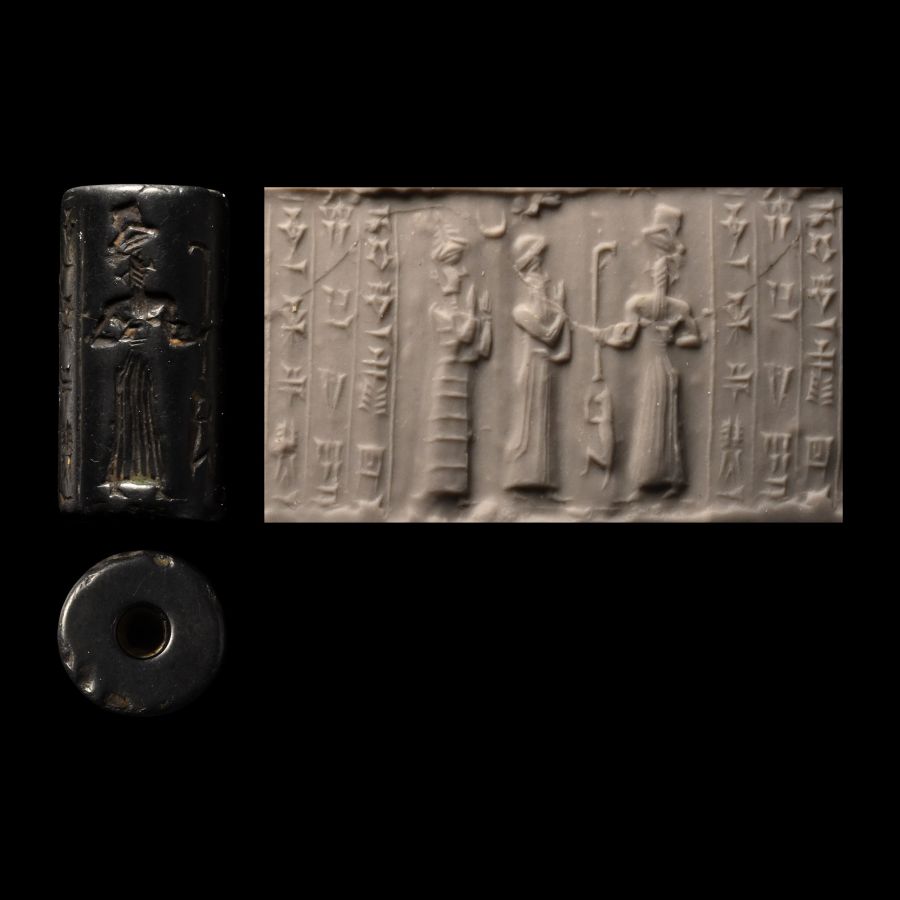
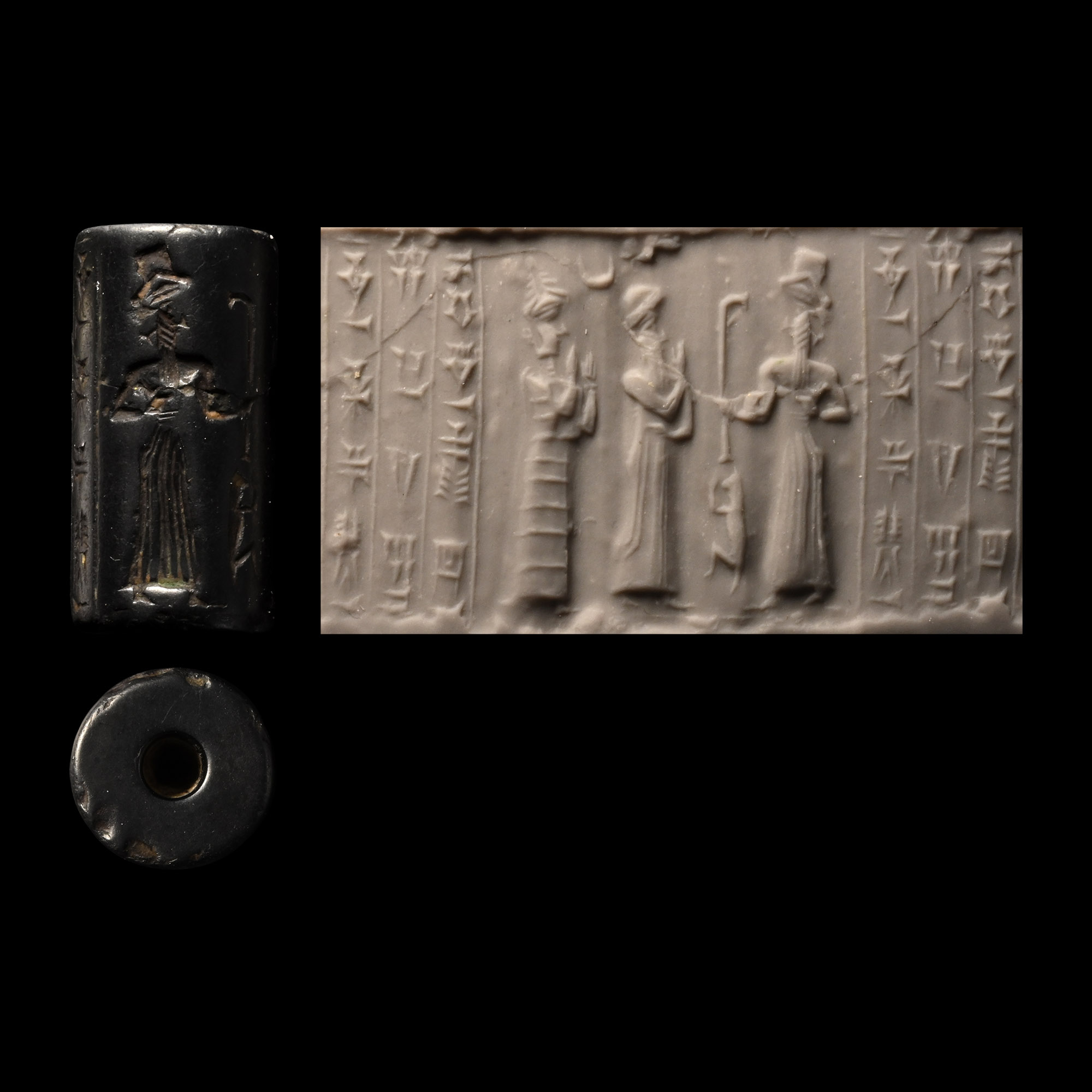
Old Babylonian Hematite Cylinder Seal for Ahi-shagish, son of Sinia, Servant of Amurru
CIRCA 2000-1530 B.C.
1 in. (14.4 grams, 26 mm).
With three columns of cuneiform text: 'Ahi-shagish, son of Sinia, Servant of Amurru', standing figure of a god holding sceptre facing a worshipper accompanied by a goddess wearing long robe and horned crown; supplied with a museum-quality impression.
ProvenanceFrom the collection of the late S, London, UK, 1970-2000.
Examined by Professor Wilfrid George Lambert FBA (1926-2011), historian, archaeologist, and specialist in Assyriology and Near Eastern archaeology, in the 1990s.
This lot has been cleared against the Art Loss Register database, and is accompanied by an illustrated lot declaration signed by the Head of the Antiquities Department, Dr Raffaele D'Amato.
TimeLine Auctions follows a vetting process to ensure the authenticity and legality of all items, reinforcing our commitment to integrity and responsible trading. Each antiquity, antique, and coin lot undergoes thorough examination by a vetting committee of at least ten external specialists, professional trade association members, scientists, and archaeologists: Our Vetting Process
AUCTIONS:
TimeLine is a leading auction house specialising in antiquities, ancient art, collectables, natural history, coins, medals, and books. Our auctions offer museums, collectors, historians, and enthusiasts the opportunity to acquire unique and historically significant pieces.
LOT 0214
Old Babylonian Hematite Cylinder Seal for Ahi-shagish, son of Sinia, Servant of Amurru
Sold for (Inc. bp): £910
-
Achaemenid Silver Cylinder Seal Case with Battle Scene
5th century B.C.Estimate: £2,500 - 3,500 (+bp*)
Opening Bid: £1,250
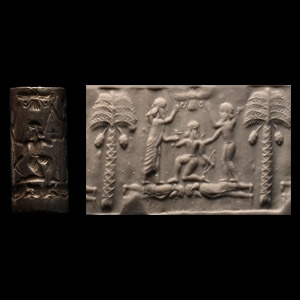
Depicting a combat scene comprising of a standing richly dressed royal figure with a bow-case, one hand holding wrist and other piercing shoulder of a kneeling soldier; standing helmetted archer holding his other shoulder; two bearded men lying face down beneath; winged sun disc above and date palm behind; supplied with a museum-quality impression. 17.4 grams, 32 mm
From the collection of the late S, London, UK, 1970-2000. Examined by Professor Wilfrid George Lambert FBA (1926-2011), historian, archaeologist, and specialist in Assyriology and Near Eastern archaeology, in the 1990s. This lot has been checked against the Interpol Database of stolen works of art and is accompanied by search certificate number no.12821-240845. This lot has been cleared against the Art Loss Register database, and is accompanied by an illustrated lot declaration signed by the Head of the Antiquities Department, Dr Raffaele D'Amato. -
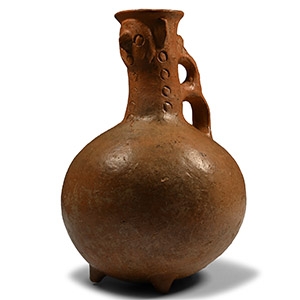
Amlash Terracotta Single-Handled Jug with Head Attachment
10th-8th century B.C.Estimate: £800 - 1,000 (‡+bp*)
Opening Bid: £400
Comprising a rounded body resting on three stub legs; funicular mouth and short neck; beneath the rim a mask with pinched nose and two pointed ears, impressed circular eyes and mouth; three vertical decorative strips impressed with the same tool as formed the eyes and mouth; tiered strap handle with two finger-grips to the outer face and impressed detailing running from the neck to the shoulder; rim and one foot partly restored. 723 grams, 20.6 cm
Ex Zackary, Los Angeles, 1960s. Thereafter London art market, 1992. Accompanied by a copy of an Art Loss Register certificate no.S00079639. This lot has been cleared against the Art Loss Register database, and is accompanied by an illustrated lot declaration signed by the Head of the Antiquities Department, Dr Raffaele D'Amato. -
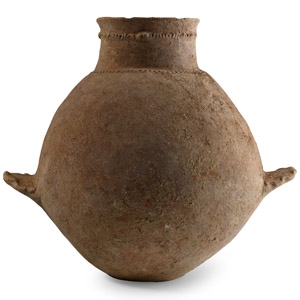
Bronze Age Decorated Terracotta Jar
Trans-Jordan, circa 3rd millennium B.C.Sold for (Inc. bp): £442
Biconvex globular body with broad neck, flared rim, two ledge handles to the equator. 1.22 kg, 24.5 cm
From an important collection of pottery formed prior to 1988, London and Geneva. This lot has been cleared against the Art Loss Register database, and is accompanied by an illustrated lot declaration signed by the Head of the Antiquities Department, Dr Raffaele D'Amato.
