
Loading, please wait...
LOT 0222
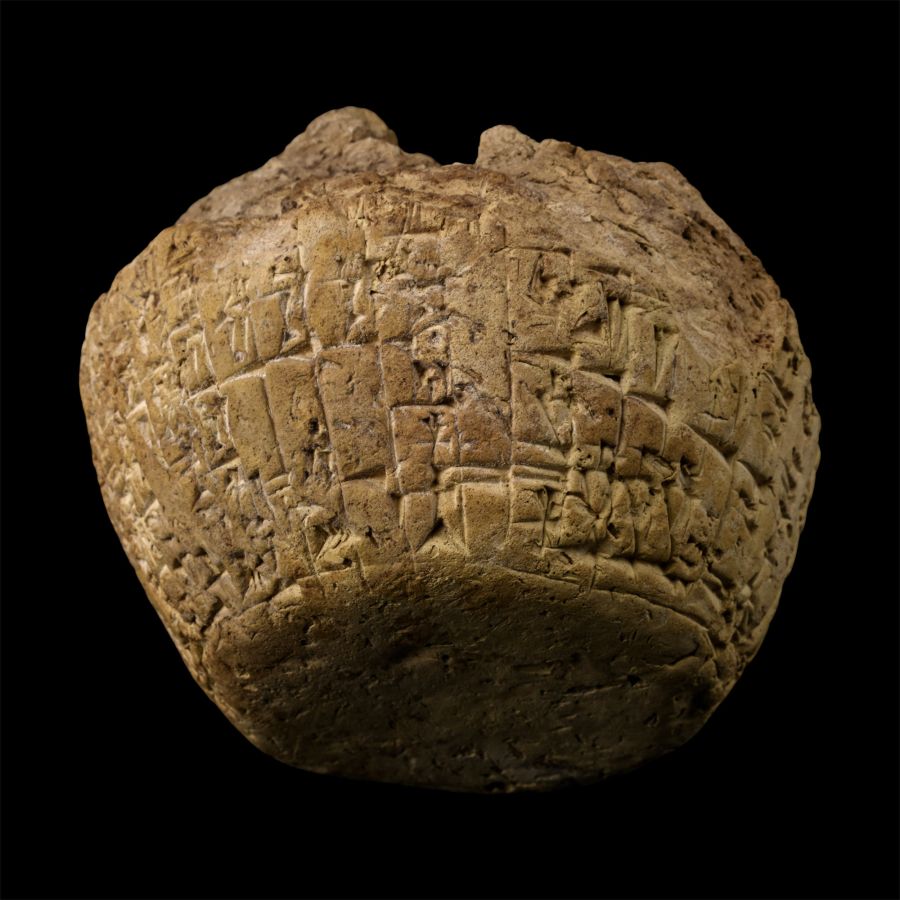
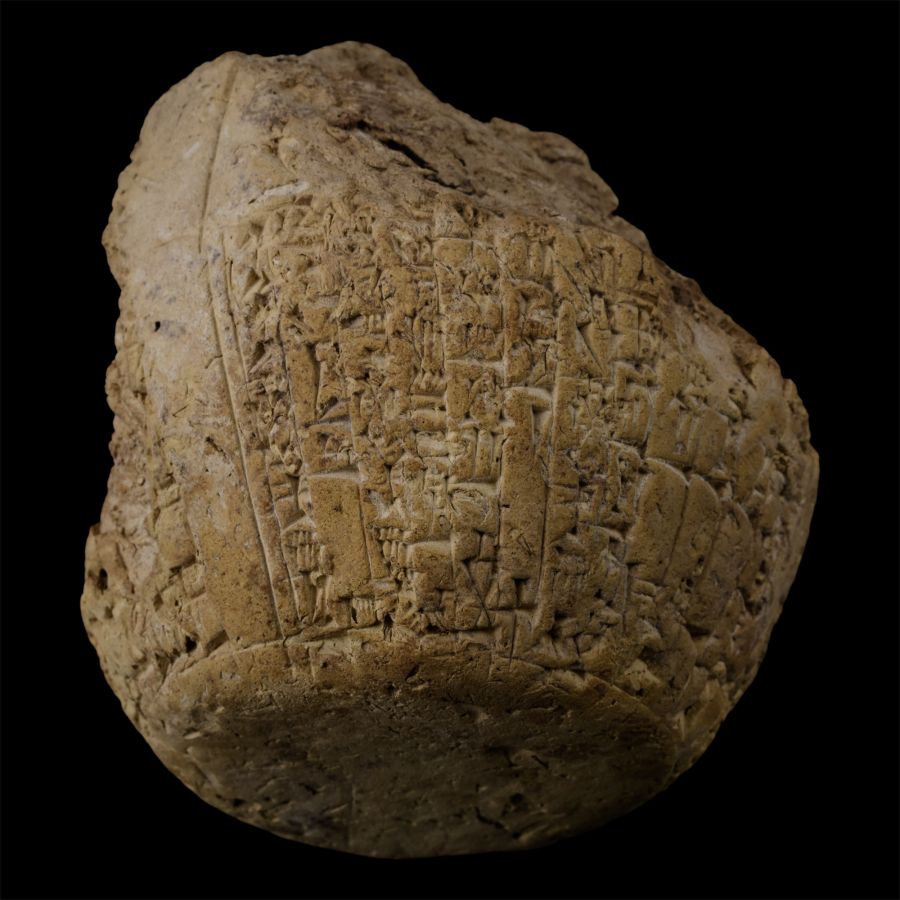
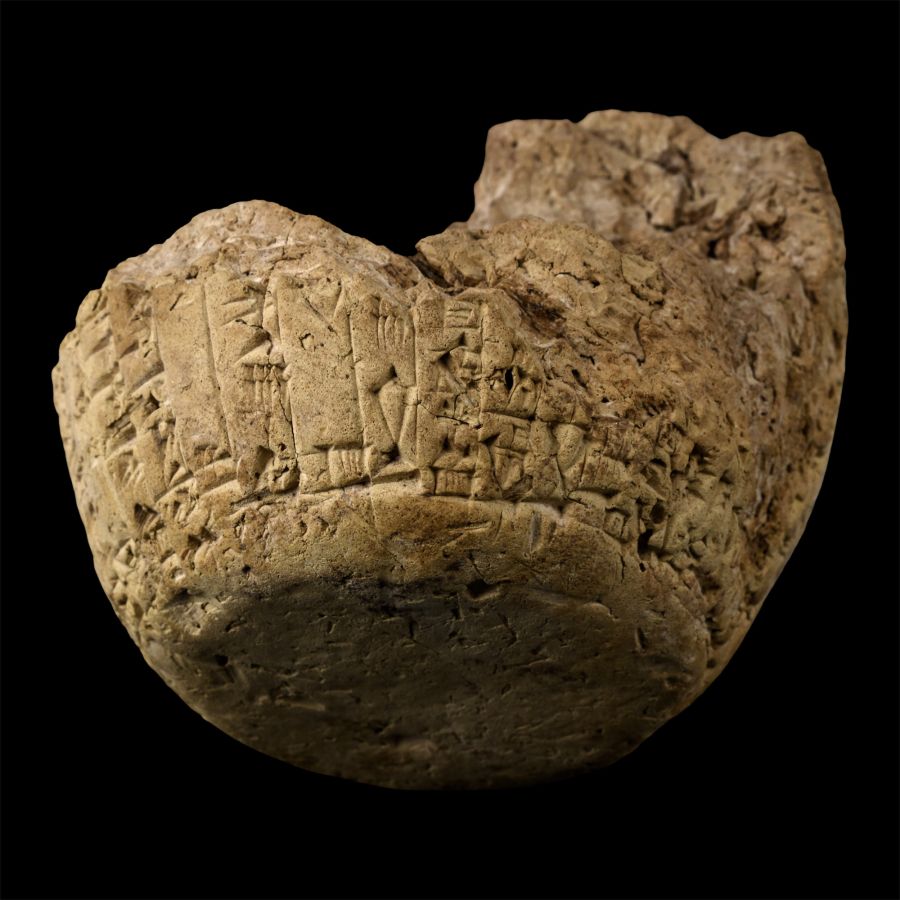
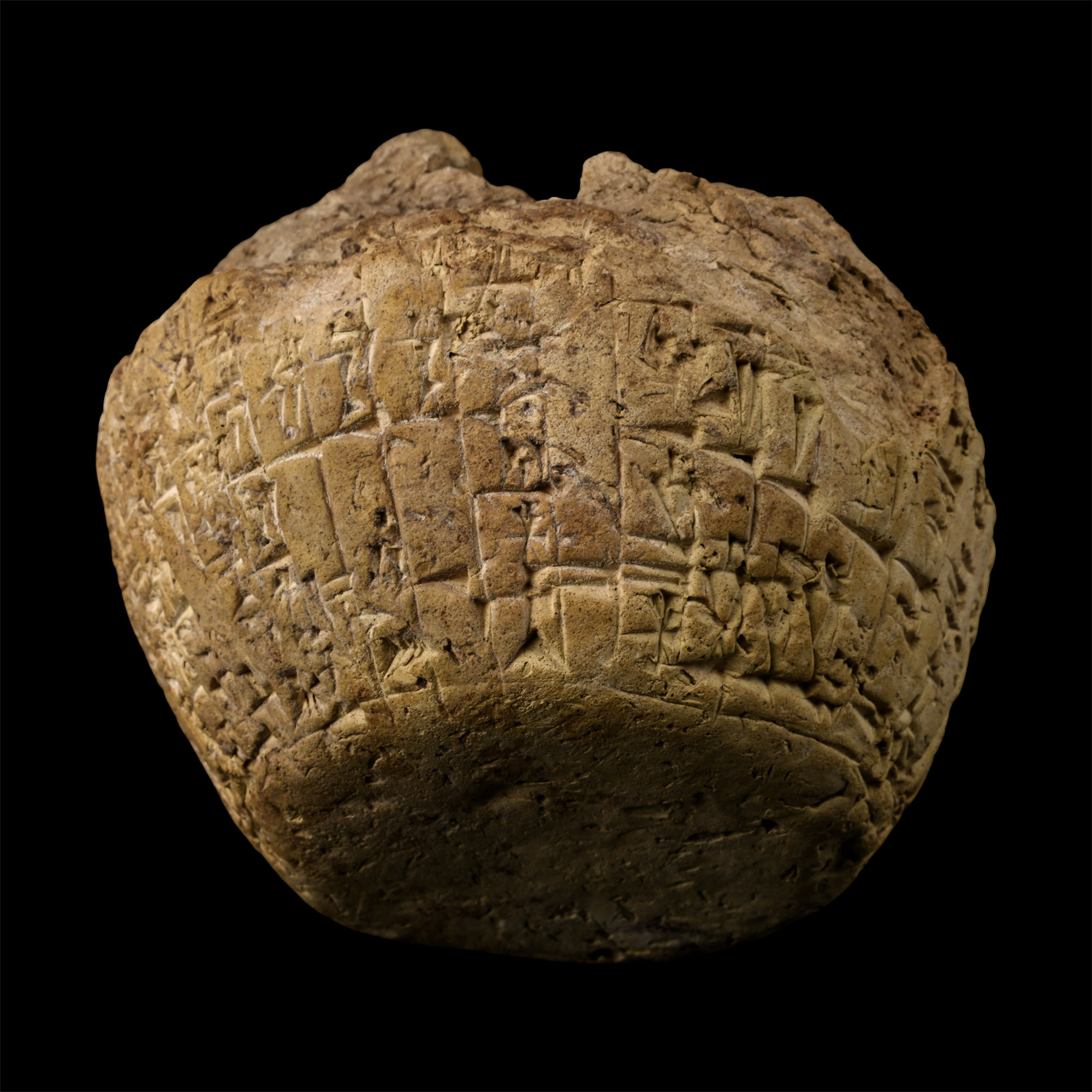
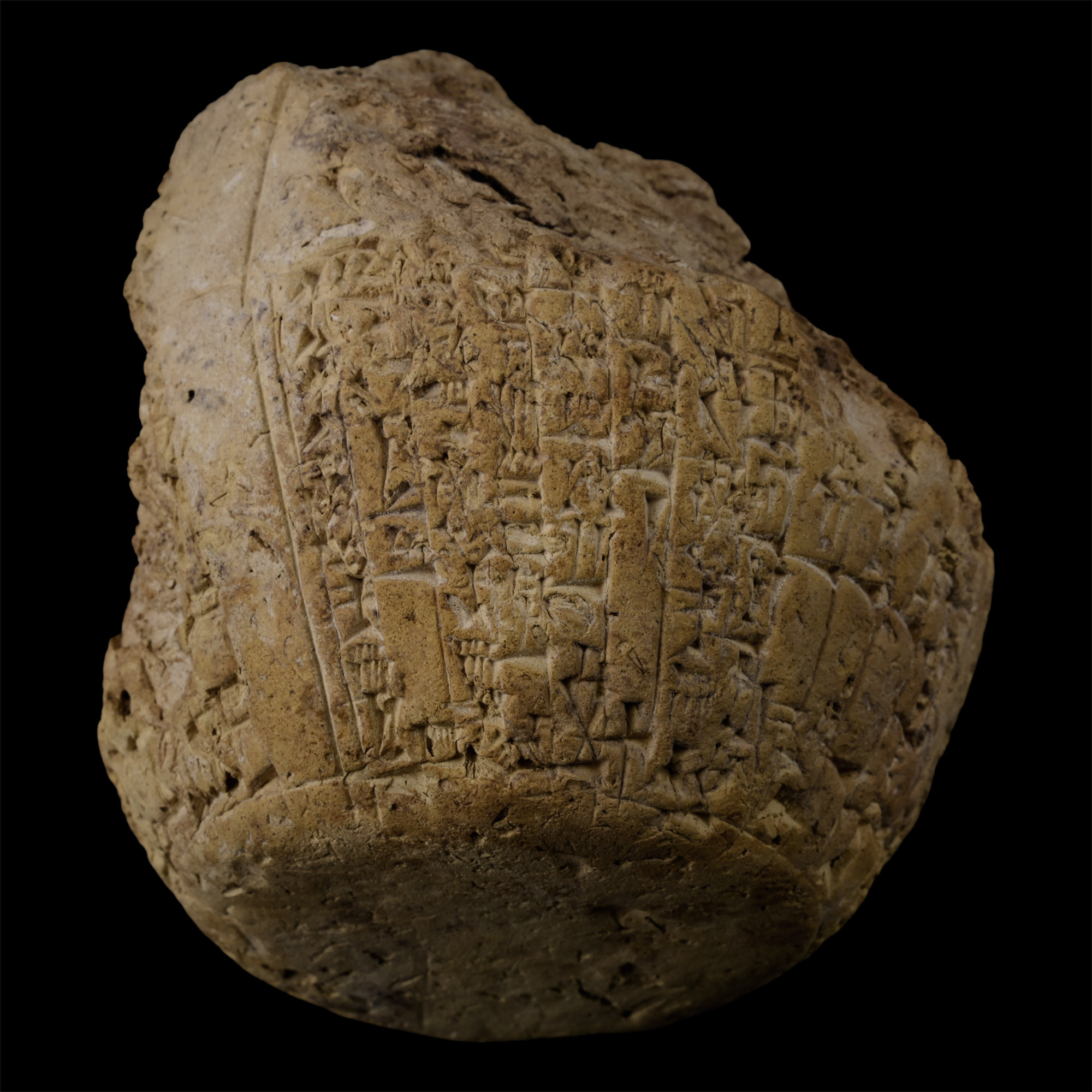
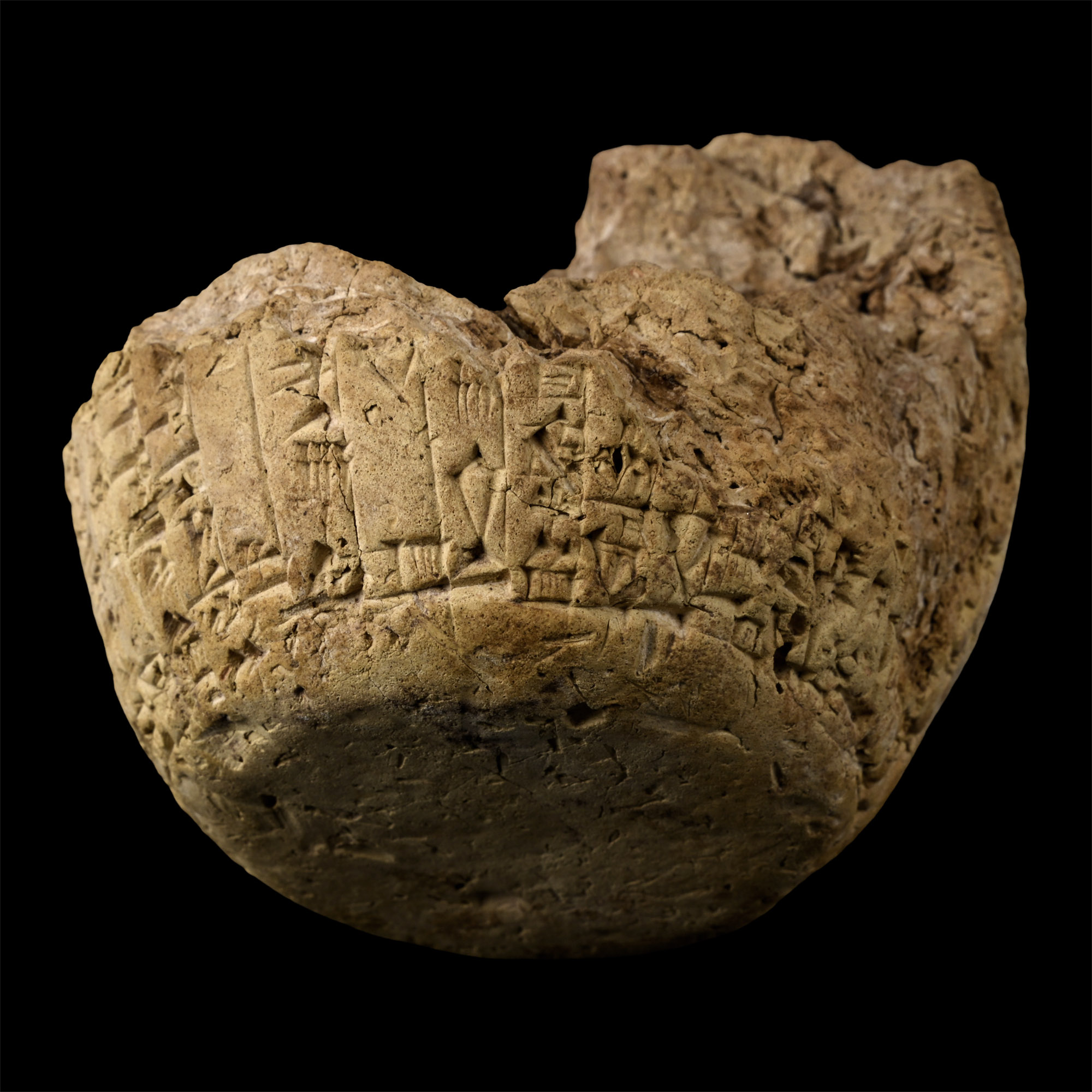
Old Babylonian Cuneiform Barrel Fragment with Royal Text
2000-1530 B.C.
4 1/8 in. (414 grams, 10.4 cm).
A large fragment of a ceramic barrel with cuneiform inscription to the outer face, flattened circular base.
ProvenanceFrom an important collection pre 1988.
From a private UK collection.
This lot has been cleared against the Art Loss Register database, and is accompanied by an illustrated lot declaration signed by the Head of the Antiquities Department, Dr Raffaele D'Amato.
TimeLine Auctions follows a vetting process to ensure the authenticity and legality of all items, reinforcing our commitment to integrity and responsible trading. Each antiquity, antique, and coin lot undergoes thorough examination by a vetting committee of at least ten external specialists, professional trade association members, scientists, and archaeologists: Our Vetting Process
AUCTIONS:
TimeLine is a leading auction house specialising in antiquities, ancient art, collectables, natural history, coins, medals, and books. Our auctions offer museums, collectors, historians, and enthusiasts the opportunity to acquire unique and historically significant pieces.
LOT 0222
Old Babylonian Cuneiform Barrel Fragment with Royal Text
Sold for (Inc. bp): £910
-
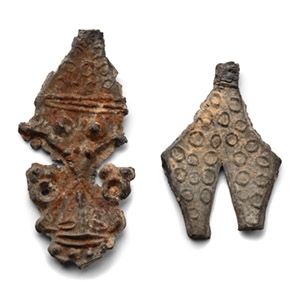
Western Asiatic Lead Female Idol
3rd millennium B.C.Sold for (Inc. bp): £52
Modelled as a stylised female figure, in two parts with hourglass waist, angular hips, pellet breasts, slender arms held across the chest, wearing a headdress and large hoop earrings with dangles, series of annulets over the body, geometric forms to the reverse composed of raised lines with pellet terminals. 5.89 grams, 61 mm
Fair condition. Rare.
Ex SM collection, London, UK; 1970-1999. From the private collection of John Meredith, acquired since the 1990s; thence by descent. This lot has been cleared against the Art Loss Register database, and is accompanied by an illustrated lot declaration signed by the Head of the Antiquities Department, Dr Raffaele D'Amato. -
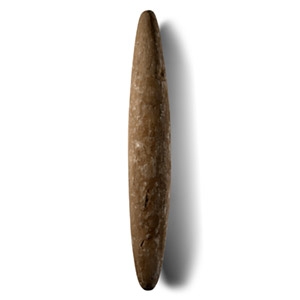
Bactrian Stone Column Idol
2nd-1st millennium B.C.Estimate: £500 - 700 (+bp*)
Opening Bid: £125
Fusiform in profile and circular in section with rounded ends. 6 kg, 62 cm
Previously in the Rabi Gallery, Mayfair, London, UK. From the collection of a London, UK, gentleman. This lot has been cleared against the Art Loss Register database, and is accompanied by an illustrated lot declaration signed by the Head of the Antiquities Department, Dr Raffaele D'Amato. -
.jpg)
Elamite Silver Staff Terminal with Interlaced Dragons
1st millennium B.C.Estimate: £1,500 - 2,000 (+bp*)
Opening Bid: £638
Hollow-formed with bulb finial, low-relief image of opposed dragons with detailed scale texture; circumferential band with incised guilloche below; mounted on a custom-made stand. 45 grams total, 20 cm including stand
London, UK gallery, 1971-early 2000s. This lot has been checked against the Interpol Database of stolen works of art and is accompanied by search certificate no.11966-210624. This lot has been cleared against the Art Loss Register database, and is accompanied by an illustrated lot declaration signed by the Head of the Antiquities Department, Dr Raffaele D'Amato.
