
Loading, please wait...
LOT 1511
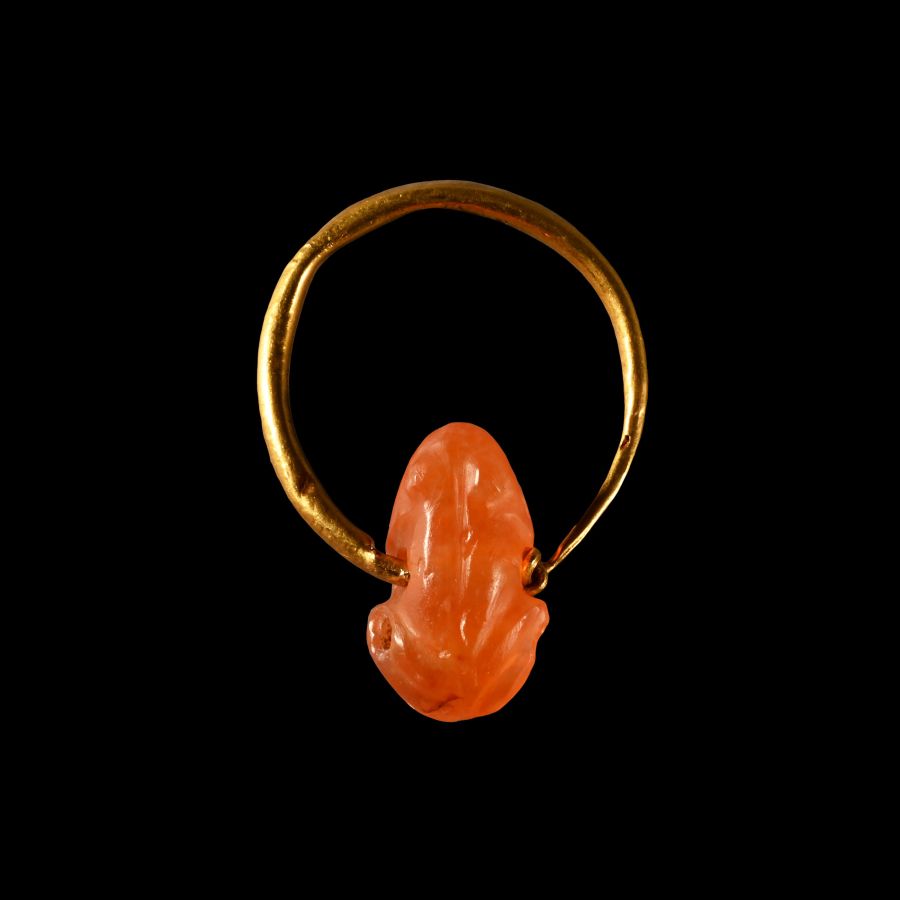
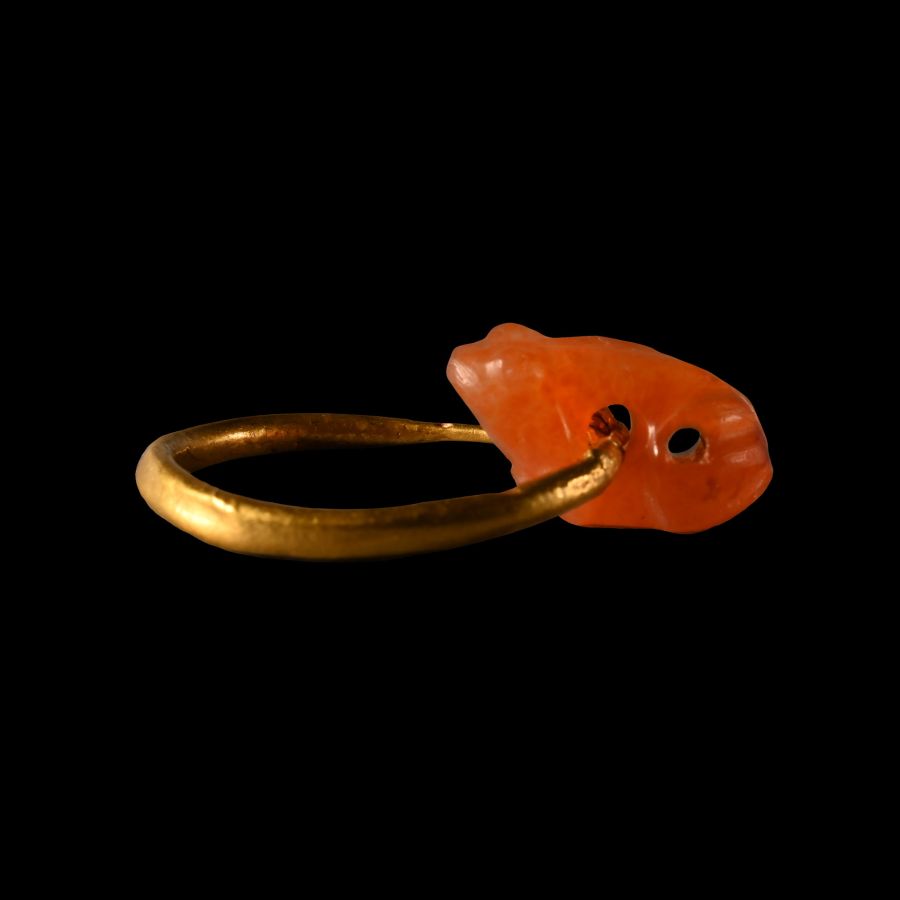
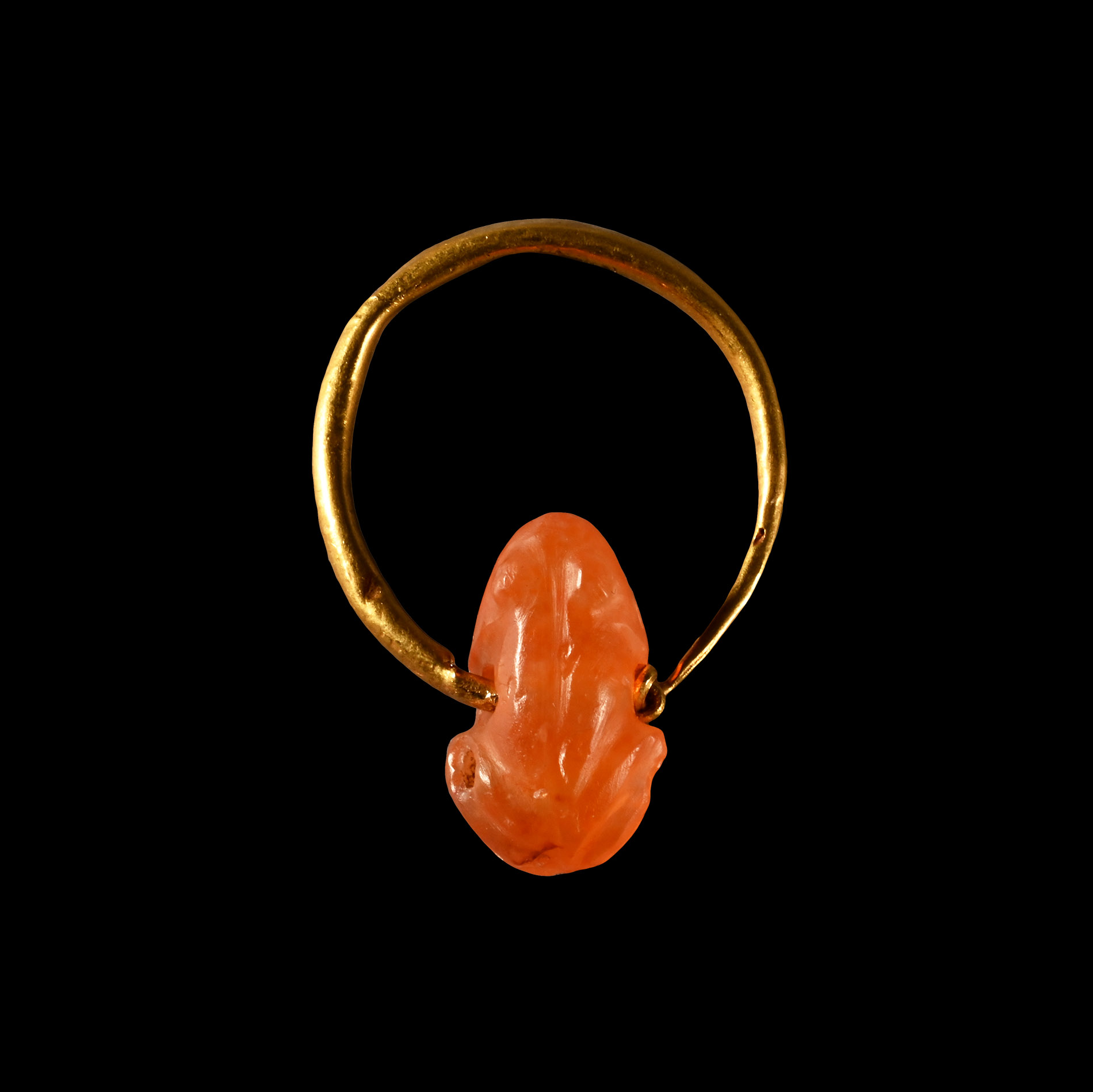
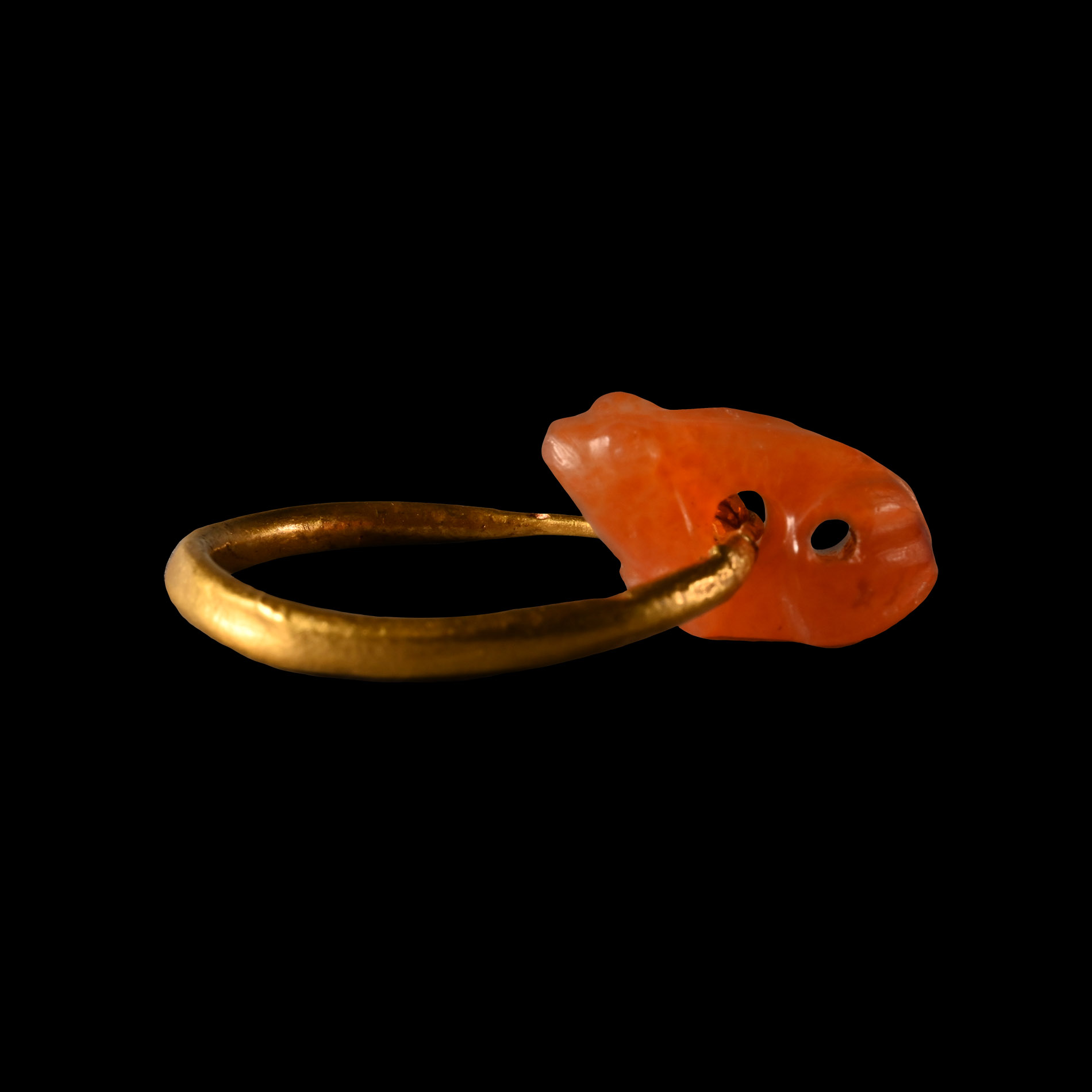
Old Babylonian Carnelian Frog Amulet on Gold Ring
20TH-16TH CENTURY B.C.
1 1/8 in. (2.45 grams, 29.30 mm).
The frog modelled in the round, pierced at the middle and mounted on a later asymmetrical gold hoop.
ProvenanceEx K.J. collection.
Acquired on the North American art market, 1999.
European private collection.
This lot has been cleared against the Art Loss Register database, and is accompanied by an illustrated lot declaration signed by the Head of the Antiquities Department, Dr Raffaele D'Amato.
TimeLine Auctions follows a vetting process to ensure the authenticity and legality of all items, reinforcing our commitment to integrity and responsible trading. Each antiquity, antique, and coin lot undergoes thorough examination by a vetting committee of at least ten external specialists, professional trade association members, scientists, and archaeologists: Our Vetting Process
AUCTIONS:
TimeLine is a leading auction house specialising in antiquities, ancient art, collectables, natural history, coins, medals, and books. Our auctions offer museums, collectors, historians, and enthusiasts the opportunity to acquire unique and historically significant pieces.
-
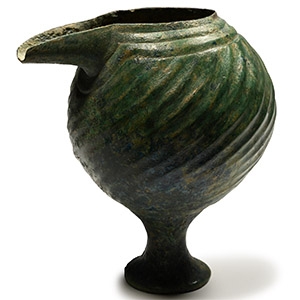
Elamite Spouted Vessel with Twisted Design
Late 2nd-early 1st millennium B.C.Estimate: £1,800 - 2,400 (+bp*)
Opening Bid: £1,000
Comprising a bulbous body with short stem and flared foot, radiating twisted ribs to the sidewall, stepped shoulder and short tapering spout. 281 grams, 13.1 cm high
Acquired before 1983. Ex London gallery, 1990s. This lot has been checked against the Interpol Database of stolen works of art and is accompanied by a search certificate number no.12533-231944. This lot has been cleared against the Art Loss Register database, and is accompanied by an illustrated lot declaration signed by the Head of the Antiquities Department, Dr Raffaele D'Amato. -
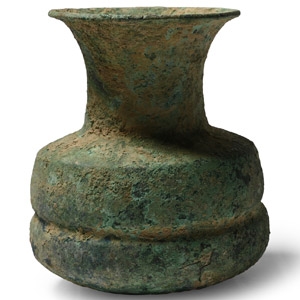
Luristan Bronze Vase
13th-7th century B.C.Sold for (Inc. bp): £169
With a waisted body and trumpet-shaped mouth. 165 grams, 10 cm
Acquired 1980-2015. Ex Abelita family collection. This lot has been cleared against the Art Loss Register database, and is accompanied by an illustrated lot declaration signed by the Head of the Antiquities Department, Dr Raffaele D'Amato. -
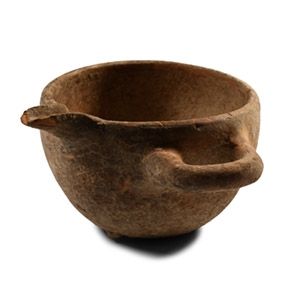
Luristan Terracotta Spouted Cup
Circa 800-600 B.C.Sold for (Inc. bp): £52
With a short pouring spout on the rim and a single horizontal lateral handle; three stub feet to the base. 232 grams, 13 cm
Acquired 1980-2015. Ex Abelita family collection. Ex TimesAncient, Bristol, UK. Accompanied by a copy of a previous catalogue entry. This lot has been cleared against the Art Loss Register database, and is accompanied by an illustrated lot declaration signed by the Head of the Antiquities Department, Dr Raffaele D'Amato.
