
Loading, please wait...
_900x900.jpg "NWA 3133 Carbonaceous CV7 Chondrite Meteorite")
_200x200.jpg "NWA 3133 Carbonaceous CV7 Chondrite Meteorite")
.jpg "NWA 3133 Carbonaceous CV7 Chondrite Meteorite")
LOT 2609
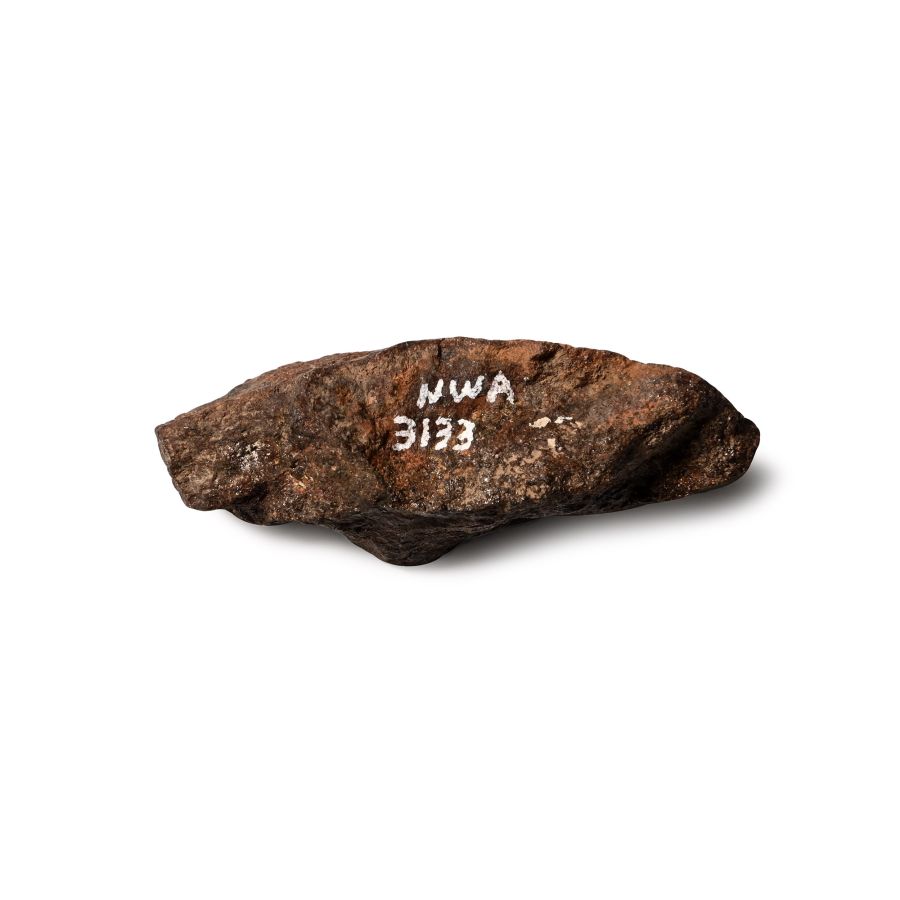
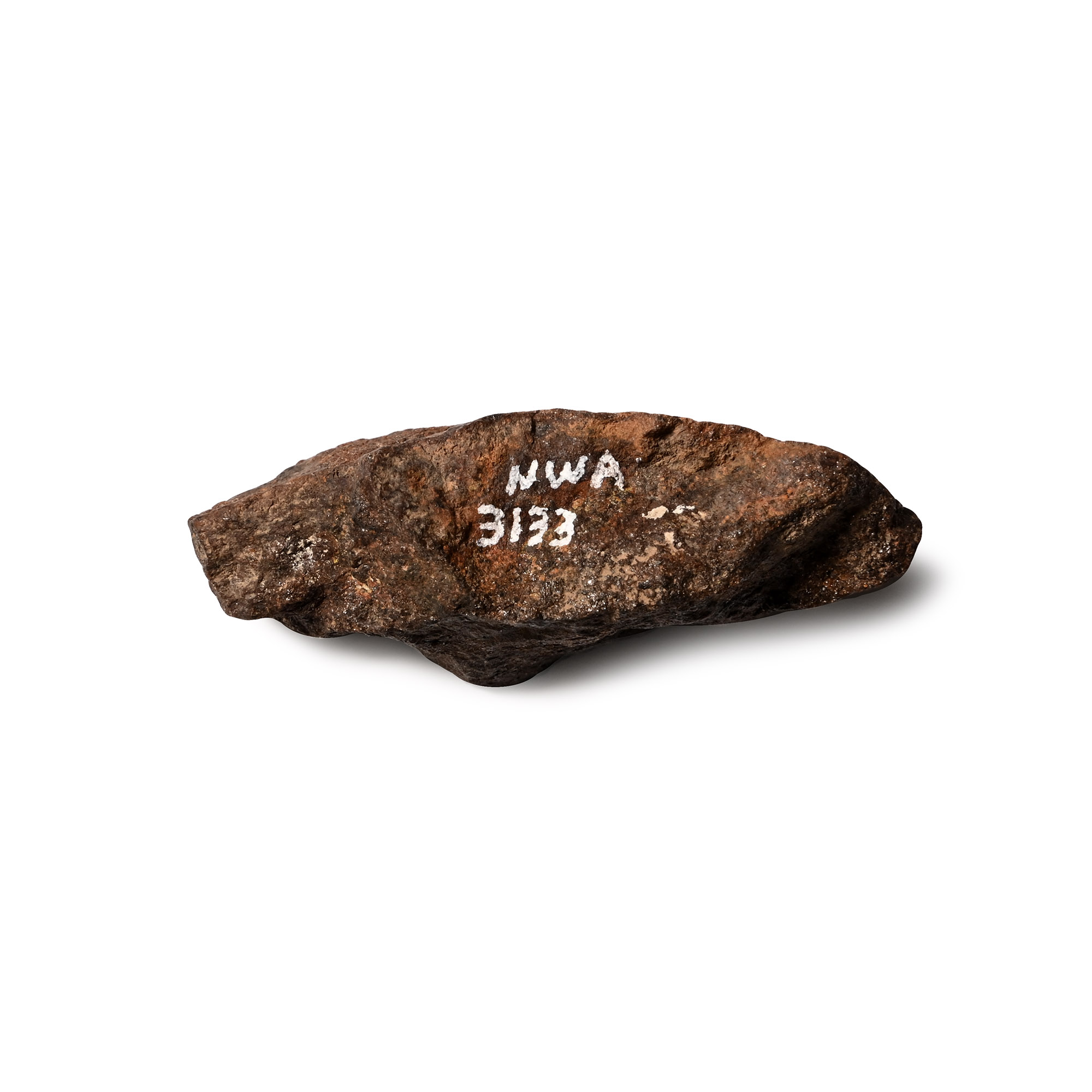
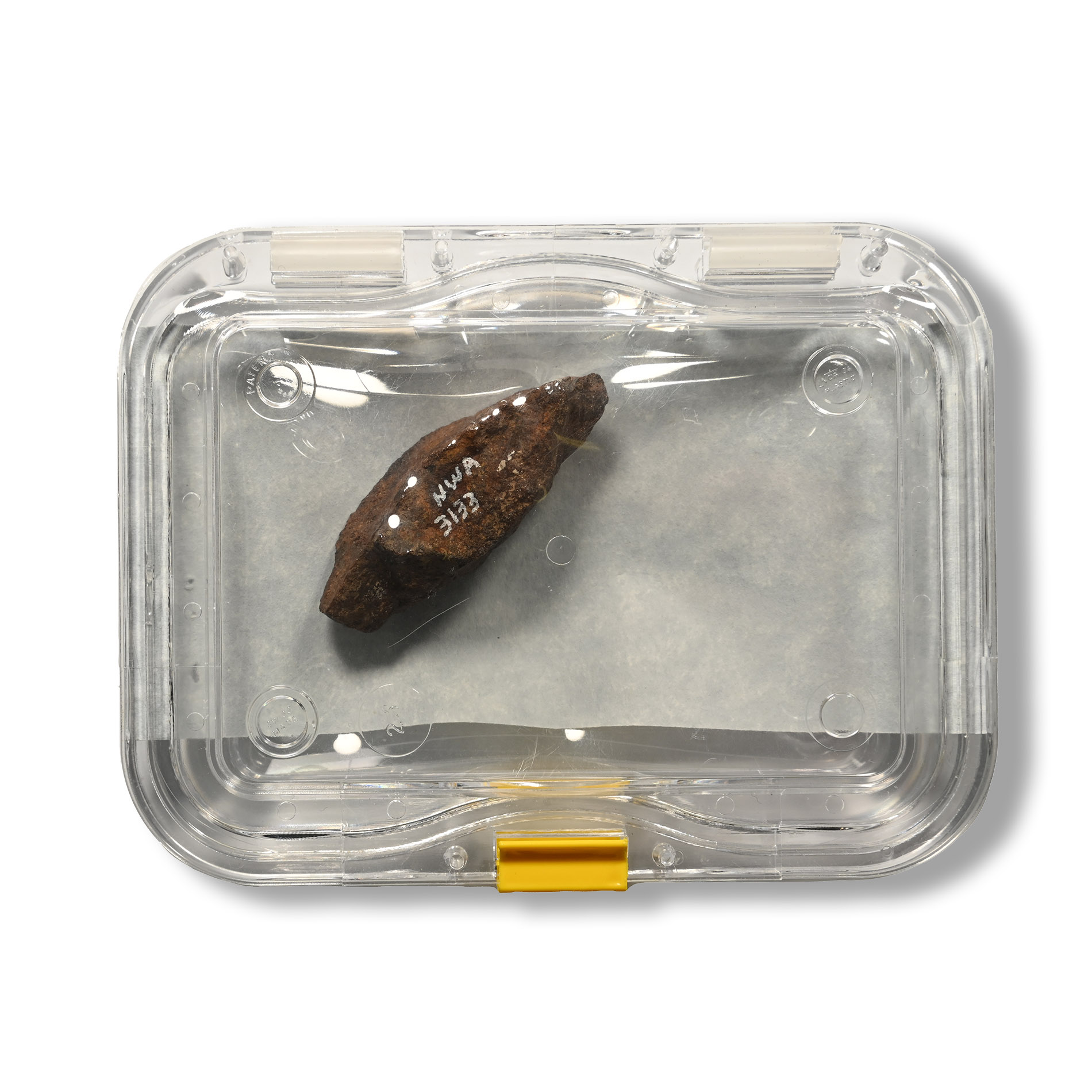
NWA 3133 Carbonaceous CV7 Chondrite Meteorite
FELL 27 JUNE 1966 A.D.
1 5/8 in. (15.9 grams, 42 mm).
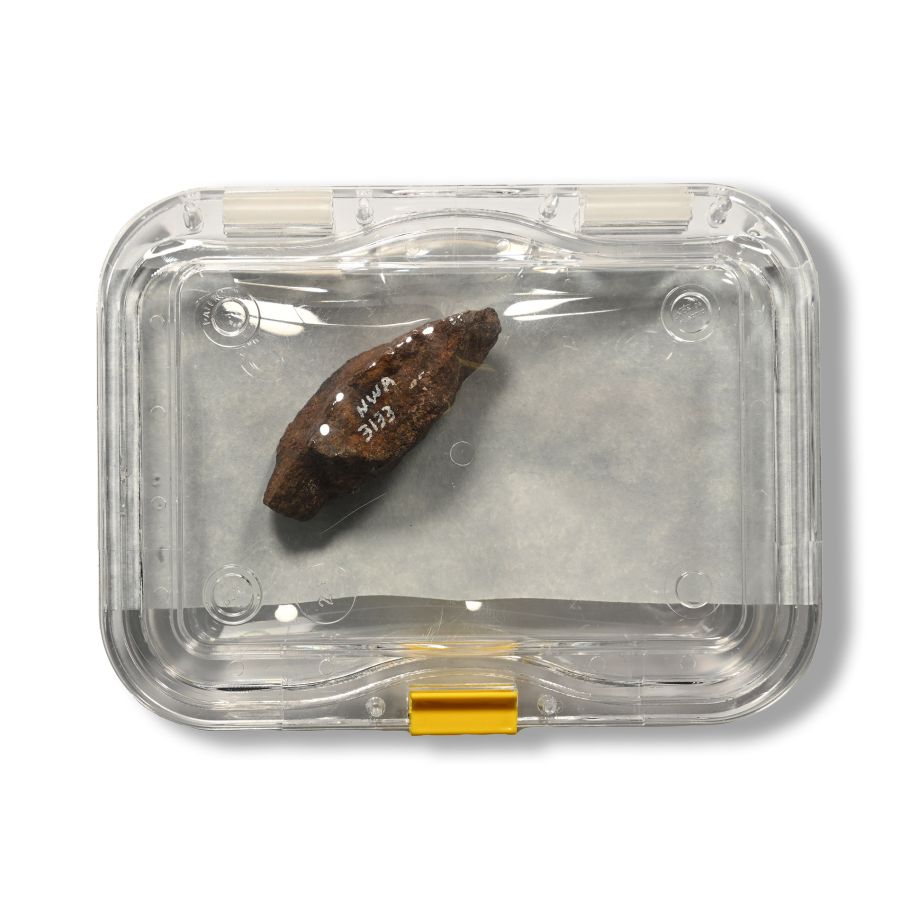
With one cut and polished face, inked collection number 'NWA 3133' to one face; in a Swiss membrane box and with a dealer's card. [No Reserve]
ProvenanceFound Northwest Africa in 2004.
Ex The Hupe Collection, Tacoma, WA, USA.
From a Leicestershire, UK, collection.
TimeLine Auctions follows a vetting process to ensure the authenticity and legality of all items, reinforcing our commitment to integrity and responsible trading. Each antiquity, antique, and coin lot undergoes thorough examination by a vetting committee of at least ten external specialists, professional trade association members, scientists, and archaeologists: Our Vetting Process
AUCTIONS:
TimeLine is a leading auction house specialising in antiquities, ancient art, collectables, natural history, coins, medals, and books. Our auctions offer museums, collectors, historians, and enthusiasts the opportunity to acquire unique and historically significant pieces.
-
![Deep Purple Amethyst Crystal Mineral Specimens [20]](https://timelineauctions.com/upload/images/items/small/227865-s.jpg)
Deep Purple Amethyst Crystal Mineral Specimens [20]
Sold for (Inc. bp): £26
Comprising large chunks of geodes with clusters of amethyst and quartz crystals. 1.88 kg total, 44-67 mm
From Brazil. Ex Mineral Imports, London, UK. Gregory, Bottley & Lloyd (Gregory's), Harwich, UK. -
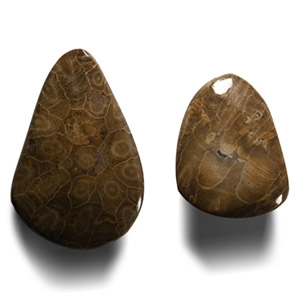
Polished Fossil Coral Head Group
Devonian Period, circa 417-354 million years B.P.Sold for (Inc. bp): £7
Two large domed structures with polished upper face showing the internal structure of a coral head. 578 grams total, 8.5-11.4 cm
From a Cambridgeshire, UK, collection. -
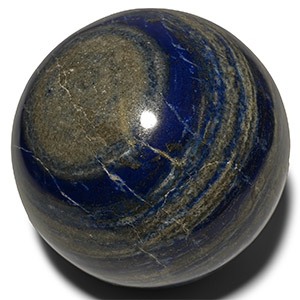
Large Lapis Lazuli Sphere
Estimate: £400 - 600 (+bp*)
Opening Bid: £200
A spectacular large polished sphere of lapis lazuli mined and polished to show its beautiful structure. 10 kg, 18 cm
Property of an Indian gentleman living in London; previously from an Indian collection. Property of a Californian, USA, collector.
